
Agricultural Machinery · Power Transmission · UK Cereal Harvesting
QD Bushings for Combine Harvester Threshing Systems: The Complete Application Guide for UK Agriculture
Why quick-detachable bushings have become the standard choice for threshing drum drive connections — and what every UK farm workshop and agricultural contractor needs to know before the next harvest.
Quick-Release Design
UK Agricultural Stock
Custom Bore Available
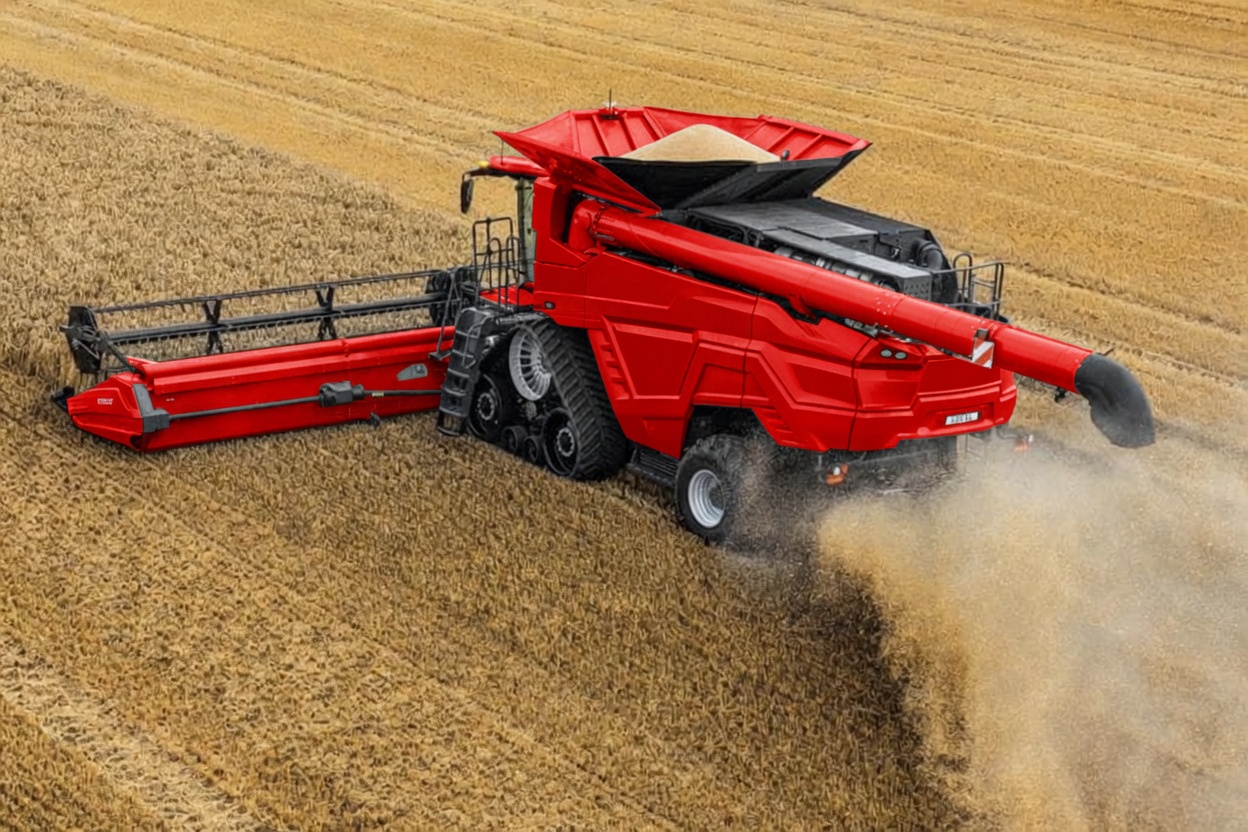 Across the arable landscapes of East Anglia, the Yorkshire Wolds, and the Scottish Borders, the harvest window is relentless and unforgiving. Eight weeks — sometimes fewer — separate a profitable season from one that erodes margins and frays nerves. The threshing drum at the heart of every combine harvester rotates continuously between 500 and 1,200 RPM depending on crop variety and throughput, driving its belt pulleys and sprockets through cyclic shock loads, fine abrasive dust, and the kind of vibration that reduces inferior drive connections to scrap metal long before the last field is cut. It is precisely in this demanding environment that QD bushings — Quick Detachable bushings, to use the full name — have established themselves as the go-to solution for UK agricultural engineers seeking to eliminate mid-harvest breakdowns from worn or seized hub connections on threshing systems.
This guide draws on eighteen years of direct application experience in agricultural power transmission to explain precisely how QD bushings function in combine threshing and cleaning system drives, what the critical selection parameters are for British harvest conditions, how different machine platforms from Claas, John Deere, New Holland, and Massey Ferguson are best served by specific bushing series, and why the economics of QD bushing standardisation stack up convincingly for UK farm machinery contractors and independent arable operations alike. Every installation recommendation here has been tested against real UK field conditions — not manufacturer data sheets alone.
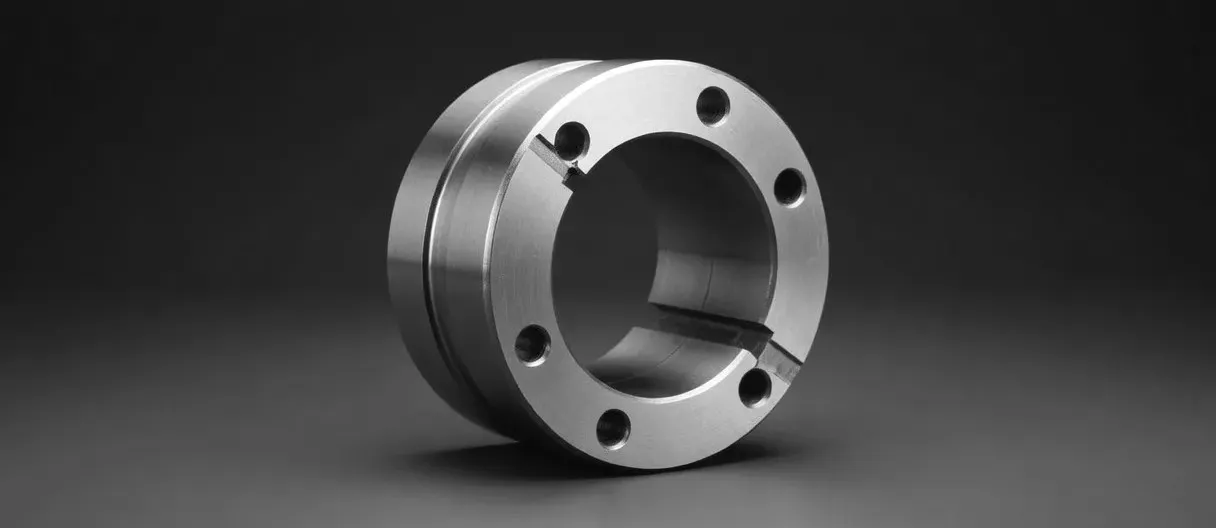
QD bushings on combine harvester threshing drum drive sheave — engineered for rapid seasonal removal and reliable reinstallation season after season.
How QD Bushings Work — and Why the Principle Suits Agricultural Threshing
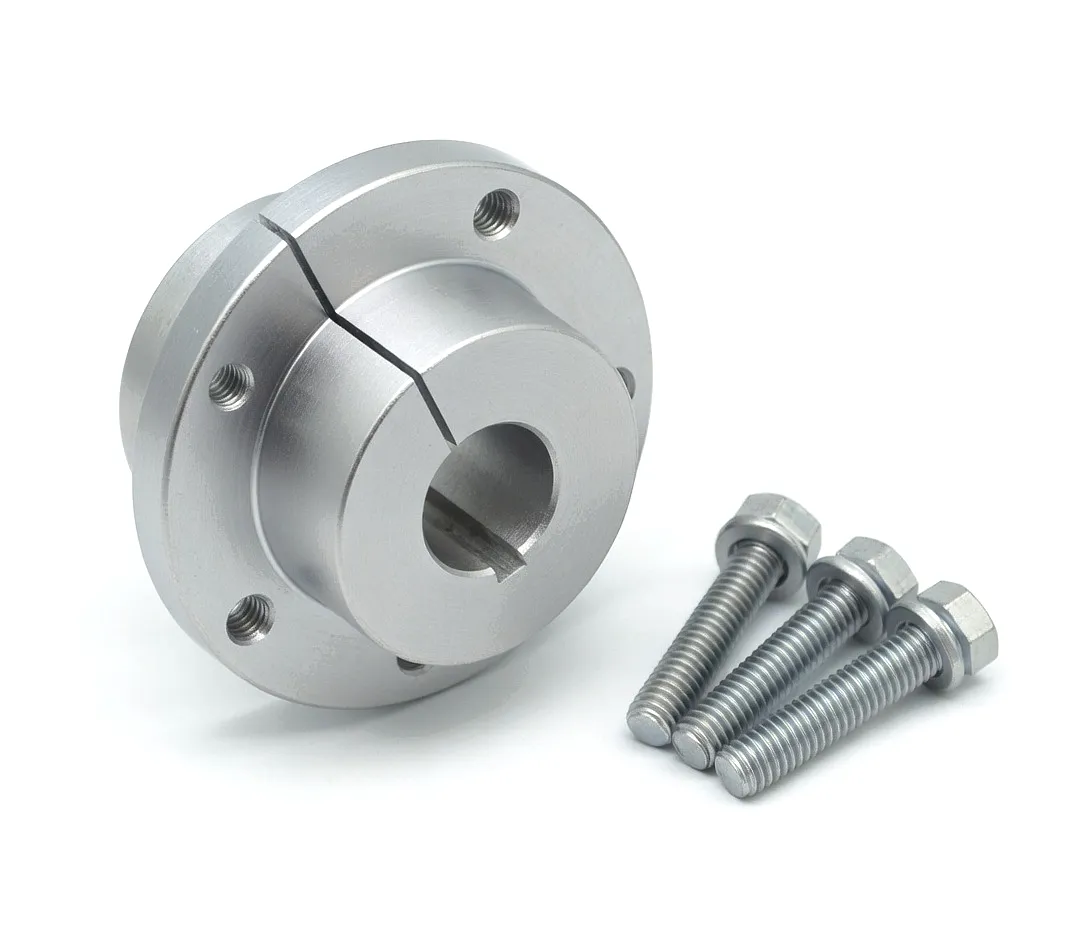 The term “Quick Detachable” describes a genuine and practical engineering mechanism, not simply a brand category. A QD bushing is a split-collar component with a precision-machined external taper — typically a 1:8 ratio — that mates with a corresponding taper inside the hub bore of a sheave, sprocket, or coupling. As the three or four cap screws are torqued down in sequence, the split collar contracts uniformly around the shaft and simultaneously draws the hub inward onto the taper, generating powerful three-way compression between shaft, bushing, and hub. The result is a connection that transmits torque through friction, evenly distributed across the entire tapered contact surface, without introducing the stress concentrations inherent in traditional keyway-and-set-screw arrangements.
Removal is equally elegant. The same bolts, repositioned from the clamping holes into the dedicated threaded extraction holes machined in every QD bushing flange, jack the taper apart when torqued progressively. No hydraulic pullers. No heat from a blowtorch threatening adjacent seals and bearings. No improvised bar-and-hammer extraction that invariably damages shaft surfaces. A trained operator working on a threshing drum pulley can have the old QD bushing out and the new one torqued down and ready for operation in fifteen to twenty minutes flat — a contrast that becomes commercially significant when the same job on a seized interference-fit hub can consume a full working afternoon and require shaft re-machining before reinstallation.
Material selection is not a minor consideration in agricultural environments. Standard agricultural-grade QD bushings are manufactured from ASTM A48 Class 35 grey cast iron, which provides excellent compressive strength and an inherent vibration-damping characteristic that is genuinely beneficial in the oscillatory environment of a high-speed threshing drum. Where stone-strike risk is elevated — as it frequently is in the flint-rich soils of the South Downs, the flinty clays of the Norfolk coast, or wherever field drainage stones work their way into the crop flow — ductile iron grade (ASTM A536 Grade 65-45-12) QD bushings offer the impact resistance to survive a foreign object event that would crack a standard grey iron component. For the heaviest drive positions on large rotary combines, forged steel bushings are available and specified for maximum load capacity. Phosphate-and-oil surface treatment on any of these materials provides meaningful corrosion resistance during the extended off-season storage periods that characterise UK farm machinery management — a detail that pays for itself the first time a machine is needed urgently and the drive hubs release without a fight.
Grey Cast Iron — Standard Grade
ASTM A48 Class 35. Excellent compressive strength, good vibration damping, cost-effective. The most widely stocked grade for UK agricultural supply chains. Suitable for the majority of threshing and cleaning drive positions.
Ductile Iron — Impact Grade
ASTM A536 Grade 65-45-12. Significantly higher impact resistance for stone-strike applications. Preferred for drum shaft drive sheaves in UK fields where flint and stone ingestion is a credible operational risk.
Forged Steel — Heavy Duty
Maximum rated torque. Specified for straw walker crankshafts, feeder house drives, and high-torque rotor positions on large-platform 400+ HP combines working at peak throughput during the British cereal harvest.
Technical Specifications: QD Bushing Series for Combine Threshing Applications
The table below summarises the most commonly specified QD bushing series for combine harvester threshing and cleaning drives. Bore ranges include metric sizing aligned with European agricultural OEM standards; imperial bore options are available to special order for older UK-built or US-origin machines. Torque ratings are based on recommended installation bolt torque applied with a calibrated wrench and should be verified against the specific shaft material and surface finish.
| Series | Bore Range (mm) | Max Torque (Nm) | Max Speed (RPM) | Typical Threshing Application | Grade |
|---|---|---|---|---|---|
| SDS | 12 – 38 | 230 | 6,500 | Cleaning shoe eccentric drive, small auger pulleys, fan shaft drives | Grey cast iron |
| SD | 16 – 50 | 565 | 5,800 | Threshing drum sheave (light combines), return elevator drives | Grey cast iron / ductile iron |
| SK | 19 – 65 | 1,130 | 4,200 | Threshing drum primary drive, 250–350 HP wheat and barley combines | Ductile iron |
| SF | 25 – 85 | 2,260 | 3,600 | Heavy threshing drum and rotor drive, combines 350 HP and above | Ductile iron / steel |
| E | 32 – 105 | 4,520 | 2,800 | High-torque rotor drive, feeder house conveyor main shaft | Steel |
| F | 38 – 115 | 6,780 | 2,200 | Straw walker crankshaft, main drive coupling, heavy beater drive | Steel |
Torque values at recommended installation torque. Verify against OEM shaft specification. Metric bore standard; imperial bore available for older UK and North American machine platforms. Phosphate-and-oil surface treatment available on all grades.
Seven Advantages That Matter Directly to UK Harvest Operations
Fifteen-Minute Pulley Changes
With a correctly installed QD bushing, an experienced operator can remove and replace a threshing drum belt pulley in under fifteen minutes using only a standard combination spanner. The same task on a corrosion-seized interference-fit hub routinely consumes four to six hours, a bearing puller, and often a shaft that requires professional regrinding before anything can be re-fitted. In the compressed British harvest window, that time difference is the gap between finishing a field before a weather front and watching it flatten overnight. The financial value of this speed advantage increases every year as combine hire rates and contractor day rates continue to rise.
Shock Load Resistance Without Keyway Fatigue
The tapered compression joint of a QD bushing distributes clamping force uniformly across the full shaft circumference, eliminating the stress concentration points at keyway corners that initiate fatigue cracking under the cyclic shock loading typical of threshing operations. When a stone — and UK arable fields contain plenty — passes through the drum concave gap and creates an instantaneous torque spike, the full-contact friction joint of the QD bushing absorbs and distributes that load rather than concentrating it at a single keyway edge. Service engineers across England and Scotland consistently report fewer shaft failures after switching drum drive positions to QD bushings.
Corrosion-Tolerant Removal After Winter Storage
This is arguably the single most practically important advantage for UK farm operations. The split-collar construction of a QD bushing means that surface oxidation forming between bushing and hub bore during eight months of barn storage does not create the hydraulic-lock effect that renders solid-bore hubs immovable without destructive force. Applied correctly with anti-seize compound on both taper faces at installation, a QD bushing releases cleanly and reliably after multiple winters of UK outdoor storage — a genuine operational guarantee that any engineer who has spent a July afternoon fighting a seized hub on a machine that was working perfectly last October will appreciate immediately.
Reduced Rotating Inertia
Agricultural machinery engineers have driven down rotating component mass throughout the development of modern combine harvesters, since every unnecessary kilogram of rotating weight costs fuel and increases bearing fatigue load. Cast iron QD bushings are consistently lighter than equivalent integral-hub configurations, and the weight saving compounds across the multiple drive points on a modern combine’s cleaning and separation systems. On a machine completing 500 or more operating hours across a British harvest season, the reduced bearing loading from lighter rotating assemblies translates measurably into extended bearing service life and lower lubricant consumption.
Cross-Platform Flexibility for Mixed UK Fleets
A UK farm workshop or machinery dealership maintaining a mixed fleet of Claas, John Deere, New Holland, and Case IH combines faces the impossible parts inventory challenge of stocking unique bore hubs for each platform configuration. QD bushings solve this directly: the same sheave or sprocket accepts different shaft diameters simply by changing the bushing. A workshop stocking a reasonable range of QD bushing sizes in the main series covers the vast majority of threshing drive positions encountered across an entire mixed-brand combine fleet, dramatically reducing both stock levels and the risk of having the wrong part on the shelf when the machine goes down mid-harvest.
No Specialist Tools Required
Every tool required to install or remove a QD bushing — Allen keys or hex sockets for the cap screws, and a calibrated torque wrench for final installation — is standard equipment in any agricultural workshop. There are no specialised pullers, bearing induction heaters, or hydraulic press requirements. This means that a qualified tractor mechanic on a farm in Shropshire, Aberdeenshire, or County Durham can carry out a full threshing drum bushing change with tools already in the workshop van, without sourcing specialised equipment or calling in outside help. In an emergency during harvest, this operational independence is genuinely valuable.
Total Cost of Ownership Over Multiple Seasons
The unit price of a QD bushing is modest in the context of combine harvester operating costs. When the full calculation is run — including maintenance labour at current UK workshop rates, parts obsolescence on machine-specific hubs, shaft repair costs from failed press-fit removals, and the commercial value of the combine days lost to mid-harvest hub failures — the total cost advantage of a QD bushing-equipped drive train over a conventional hub system becomes substantial within three harvest seasons. UK agricultural contractors operating on commercial day rates of £2,000 to £3,000 per combine find the ROI particularly clear when translated into per-hectare operating cost, the metric that ultimately determines whether a contracting business makes or loses money.
Where QD Bushings Are Installed Inside a Combine Harvester
A modern combine harvester running UK cereal and oilseed rape crops contains between twenty and forty individual drive points — belt and chain connections linking the engine gearbox to every rotating component in the threshing, separation, and cleaning systems. QD bushings are applicable across most of these positions, but the threshing system itself accounts for the highest-consequence installations. Each position has its own specific engineering demands, and the bushing series must be selected to match the shaft diameter, speed, torque, and contamination exposure at each location.
1 — Threshing Drum Main Drive Sheave
The main belt sheave driving the threshing cylinder is the single highest-consequence hub connection on the entire machine. Drive ratios from the engine gearbox place drum speeds typically between 500 and 1,200 RPM, with the precise operating speed varying significantly between crops: lower for wheat and pulse crops susceptible to grain damage at high speed, higher for oilseed rape where aggressive threshing of tough stems is required. The QD bushing at this position must withstand the full range of drum torque variability — including the multi-second spike that occurs when a combine ingests a stone, a bolt, or a piece of wire that has worked its way into the crop stream — without any axial migration on the shaft that would throw belt alignment out of tolerance and accelerate sheave face wear.
Recommended specification for UK wheat and barley operations: SK series ductile iron for combines to 350 HP; SF series ductile iron or steel for machines above 350 HP. Apply anti-seize compound to both taper surfaces at installation. Torque all bolts in cross pattern to manufacturer specification using a calibrated torque wrench. Retorque after the first two hours of threshing operation and inspect annually before harvest. This routine has proven consistently reliable across John Deere S-series, Claas Lexion, New Holland CR, and Fendt IDEAL platforms working in UK conditions.
2 — Cleaning Shoe Eccentric Drive
The reciprocating cleaning shoe — which separates cleaned grain from chaff and short straw over a pair of oscillating sieves — is driven by a rotating eccentric or crankshaft mechanism, typically at 300 to 500 RPM. This mechanism generates continuous alternating bending moments on its hub connections due to the cyclically accelerating and decelerating reciprocating mass. QD bushings in the SDS or SD series are well suited to this position because the full-circumference taper grip distributes these bending loads evenly across the shaft bore rather than concentrating them at a single locking point.
Chaff and fine grain dust ingress is a persistent environmental hazard around the cleaning shoe. The absence of exposed keyway slots — which trap abrasive material and initiate crevice corrosion in conventional keyed hubs — gives QD bushings a practical environmental advantage here that service engineers at UK agricultural dealerships and AGCO partners consistently report when recommending replacement specifications to their customers.
3 — Straw Walker Crankshaft Drive
Conventional straw walker combines use a multi-throw crankshaft system to agitate the straw mat and release residual threshed grain. This crankshaft drive is among the highest-torque, lowest-speed positions in the entire machine — typically 100 to 300 RPM with substantial inertia loading from the reciprocating straw walkers themselves. The F series QD bushing (38 to 115 mm bore, 6,780 Nm rated torque) is the standard specification for this position on heavy wheat and barley combines working in the English Fenlands, the Yorkshire Wolds, and the Lincolnshire limestone belt, where straw volumes and bulk densities are consistently at the upper limit of machine specification.
The F series uses a longer axial taper engagement length than lighter series bushings, providing greater resistance to the rocking moments generated by the eccentric crankshaft geometry. Steel-bodied F series QD bushings are recommended where annual operating hours exceed 400 and straw throughput is consistently near the machine’s published capacity — conditions that describe a significant proportion of UK contract harvesting operations.
4 — Feeder House Elevator and Crop Flow Drives
The crop path from the cutting platform through the feeder house and into the drum involves multiple chain and belt drives that are subjected to sudden shock overloads whenever feed rate exceeds nominal capacity — a routine occurrence on the steep gradients found in the Welsh Marches, the South Downs, and the undulating fieldscapes of Herefordshire and Worcestershire. SD and SK series QD bushings are widely used across these positions on machines from Massey Ferguson, Case IH, and Deutz-Fahr operating throughout England and Wales. The ability to swap drive sprockets between chain pitch configurations by changing the QD bushing rather than the entire hub assembly is a significant practical advantage during platform changeovers at the start of each new crop type.
The feeder house reverser drive — used to clear blockages when the drum plugs — is a particularly high-shock position where QD bushings consistently outperform keyed alternatives. Blockage clearance generates instantaneous torque reversals that can reach multiples of normal operating torque, and the even circumferential grip of the QD bushing taper handles these events without the fretting damage on keyway surfaces that progressively destroys conventional hub connections through repeated blockage cycles over a harvest season.
Customer Success: Lincolnshire Harvesting Contractor Eliminates Mid-Season Hub Failures
Case Study · Lincolnshire, England · Cereal Contract Harvesting
The Challenge — Greenfield Harvesting Services, a Lincolnshire-based agricultural contractor running four combines across approximately 11,500 hectares of cereal contract work annually, was experiencing repeated threshing drum belt pulley hub failures on two older machines in their fleet. Each incident required hub replacement and shaft inspection, typically consuming four to six hours including parts sourcing from the local dealer. With combine day rates at current market levels and a harvest window compressed further by two consecutive wet Julys, each failure was extracting a disproportionate commercial cost from the business — lost hectares, late delivery penalties, and the operational stress of running a fourth machine at full speed to recover programme.
The Solution — The company’s workshop manager specified a comprehensive conversion of all four combines to QD bushing-based hub systems across threshing drum drive sheaves, cleaning shoe eccentric drives, and straw walker crankshaft positions. Sixty-eight QD bushings in SK and SF series ductile iron with phosphate surface treatment were fitted across the fleet over two successive winter maintenance periods. A standardised installation procedure — anti-seize on taper faces, cross-pattern bolt torquing, two-hour retorque — was documented and trained into the workshop team. A single spare set of the most critical bushing sizes was added to each machine’s on-board toolbox as harvest insurance stock.
The Outcome — Over three subsequent harvest seasons, the fleet recorded zero threshing drum hub failures of the type that had previously caused mid-harvest stoppages. Belt pulley replacement — previously a half-day job involving significant workshop disruption — now takes under twenty minutes per machine using standard hand tools. The workshop manager’s own calculation puts the recovered machine time at the equivalent of two full harvest days per combine per season, which at current contractor rates translates directly into additional contract revenue that more than recovers the cost of the bushing conversion in a single season. The team now specifies QD bushings as standard across all new machine additions to the fleet.
★★★★★
“We’ve fitted QD bushings on all our combine drum drives for six seasons now. When a belt goes in the middle of an oilseed rape run, you need it fixed before lunch — and with these, you can. The difference compared to the old pressed-fit hubs is night and day. I wouldn’t go back.”
Tom Bradshaw, Workshop Manager
Greenfield Harvesting Services, Lincolnshire
★★★★★
“We needed custom bore QD bushings for an older Claas Dominator with a non-standard drum shaft. The team turned them around in less than two weeks to full specification. Quality matches anything in the OEM catalogue and the price was considerably more competitive. Highly recommended for Scottish farm workshops dealing with older machines.”
James McAllister, Head Mechanic
McAllister Agricultural Services, Perthshire, Scotland
★★★★★
“Our parts department now carries QD bushings in six series as standard agricultural stock lines. Demand from East Anglian and East Midlands cereal farmers has grown significantly over the past three years — customers ask for them by name. The word has clearly spread among harvest contractors that these genuinely reduce downtime compared to the alternatives.”
Sarah Wilkins, Parts Manager
Fenland Agricultural Supplies, Cambridgeshire
Custom-Manufactured QD Bushings: Engineered Precisely for Your Application
Ever Power Transmission · Advanced Manufacturing · UK Agricultural Sector Supply
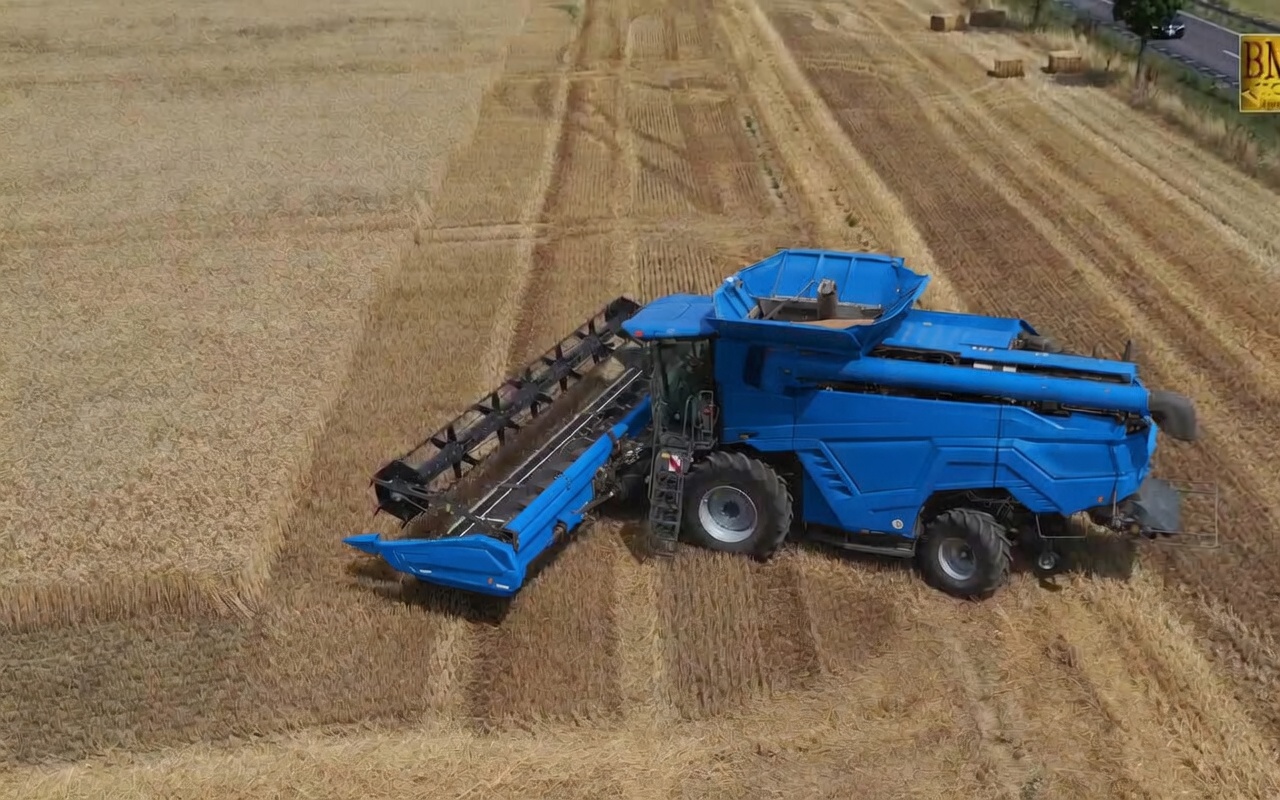 Standard catalogue QD bushings serve the vast majority of combine harvester applications in the UK agricultural market — but British farming has always produced engineering exceptions. Older combine platforms dating from the 1980s and 1990s, bespoke grain handling and drying systems built to farm-specific specifications, and heavy-duty contract operations running continuously modified machines regularly present shaft geometries and torque requirements that lie outside the standard bore range. Ever Power’s manufacturing facility operates a fully staffed custom precision machining division that exists specifically to address these situations. The capability covers non-standard bore sizes from 8 mm to 200 mm, in any standard bushing series, with metric or imperial keyways machined to BS4235 profiles, or plain bore to customer-supplied tolerance drawings.
Our applications engineering team regularly works from dimensional drawings supplied by farm workshop managers, physical samples taken from worn-out components, or simply from a photograph and a set of hand caliper measurements — whichever is most practical for the workshop’s situation. We manufacture replacement QD bushings for discontinued combine platforms that OEM parts networks ceased supporting years ago, a capability that has become increasingly valued by UK farmers maintaining older but mechanically sound machines through the current pressure on capital expenditure. Surface treatments including manganese phosphate with oil, zinc plate, and two-pack epoxy primer are available to specification for extended corrosion resistance under the outdoor storage conditions common on British farm premises. Minimum order quantity for custom work is one unit — there are no batch size requirements that would prevent a single replacement from a one-off specification.
8 – 200 mm
Custom bore range
10–14 Days
Custom lead time
18+ Years
Agricultural expertise
MOQ 1
Single units accepted
Email directly: [email protected]
Frequently Asked Questions: QD Bushings for Combine Harvesters in the UK
What size QD bushing do I need for a wheat combine harvester threshing drum shaft, and where can I buy the right one in the UK?
For the majority of mid-range wheat and barley combines used in UK arable farming — machines in the 250 to 350 HP class with threshing drum shaft diameters typically between 40 mm and 65 mm — the SK series QD bushing covers the standard drum drive sheave application, rated to 1,130 Nm and available in the full metric bore range. For larger machines above 350 HP, particularly those harvesting high-yielding East Anglian wheat at sustained throughput, the SF series (25 to 85 mm bore, 2,260 Nm) is recommended. Always measure the shaft diameter directly with a micrometer or digital caliper rather than relying on handbook data, and confirm whether the shaft has a standard parallel keyway or a proprietary profile before ordering. For UK buyers, contact [email protected] — we stock the most common agricultural series for next-working-day UK delivery.
How much does it cost to get a price quote for QD bushings from a UK agricultural supplier who can ship quickly?
Getting a quote costs nothing and takes less than a minute: email [email protected] with the bushing series, bore diameter, quantity, and your delivery postcode. We respond within one working day for standard stocked items and within two working days for custom bore specifications. Standard agricultural QD bushings in grey cast iron range from approximately £8 to £25 per unit depending on series; ductile iron and steel grades are at the upper end of the range. For emergency harvest breakdowns, mark your subject line “URGENT HARVEST” for same-day priority despatch on orders placed before 14:00 on working days. We supply to UK mainland addresses with next-day delivery as standard for stocked items.
How do I safely remove a QD bushing from a combine drum shaft after it has been sitting in a barn all winter?
Correct removal uses the jack-out bolt method that is engineered into every QD bushing design. Remove the three or four cap screws from the clamping positions and reinstall them, one at a time, into the threaded extraction holes — these are dedicated removal ports present on every bushing flange. Tighten them progressively in rotation and the taper releases cleanly, separating the bushing from the hub without any pulling tools, heat, or impact. If the bushing is unusually reluctant after winter storage — a rare occurrence with correctly assembled units — apply a penetrating oil to the split line of the bushing collar and leave it overnight before repeating the extraction procedure. Never use heat near the drum shaft or bearings, and never drive a wedge or screwdriver into the taper gap; both damage the precision taper surfaces and compromise future reassembly. If the extraction hole threads are damaged, contact our technical team for guidance before attempting alternatives.
Which QD bushing series is best for the cleaning shoe eccentric drive on a Claas Lexion combine working in Scottish barley conditions?
For the cleaning shoe eccentric drive on a Claas Lexion operating in Scottish barley — where late harvests, higher moisture content grain, and heavier straw volumes place above-average demands on the cleaning system — the SD series QD bushing covers shaft diameters up to 50 mm at the typical eccentric drive speed range of 300 to 500 RPM. Where the shaft diameter falls in the 50 to 65 mm range on larger Lexion platforms, step up to SK series. Both are available in ductile iron for enhanced impact resistance, which is advisable in Scottish harvesting conditions where field stones are prevalent and cleaning shoe eccentric shafts experience higher-than-average alternating bending moments from the heavier reciprocating mass driven through wetter crop. Confirm the shaft diameter from the Claas service manual or direct measurement — Lexion eccentric shaft dimensions changed between generations.
Can I order custom bore QD bushings for an older New Holland or Massey Ferguson combine with a non-standard shaft measurement?
This is one of the most frequently requested services we provide for the UK agricultural sector. Older New Holland TX and TF series combines, Massey Ferguson 38 and 40 series machines, and various AGCO platforms from the 1990s used shaft dimensions that fall outside modern standard catalogue ranges. Ever Power manufactures custom bore QD bushings from 8 mm to 200 mm in any standard series, with metric or imperial keyways machined to BS4235 profiles or plain bores to your supplied tolerance. Typical lead time for a custom agricultural bushing is 10 to 14 working days from receipt of dimensional specification. Send shaft dimensions, keyway profile, and required series to [email protected]. A photograph of the existing hub alongside a rule or caliper reading is sufficient to start the process if formal drawings are not available.
How do QD bushings compare with taper lock bushings for combine harvester threshing drive positions, and which performs better for UK farm use?
Both QD bushings and taper lock bushings operate on the same fundamental tapered compression principle, and both outperform conventional keyed hubs in the agricultural environment. The practical difference lies in their hub compatibility and bolt configuration. QD bushings use a three or four bolt flanged face on a standardised pitch circle diameter, which allows sheaves and sprockets from different manufacturers to be fitted to the same bushing — an important advantage in UK farms maintaining mixed-brand combine fleets. Taper lock bushings use a two-bolt side entry arrangement, which is slightly more compact but limits sheave interchangeability. For load capacity and corrosion performance across typical UK threshing drum speeds and torques, both types are adequate when correctly specified and installed. For mixed-fleet operations across multiple combine brands — which describes the majority of UK contract harvesting businesses — QD bushings provide greater practical flexibility without meaningful compromise in performance or security.
When should I check and replace QD bushings on my combine harvester during the annual pre-harvest service in the UK?
The annual pre-harvest service — typically completed in June for UK cereal harvesting readiness — should include a systematic inspection of all QD bushing installations. Check for four specific conditions: detectable radial play between shaft and hub when the drum is stationary, which indicates the bushing has loosened or the taper surface has fretten; visible cracking in the cast iron collar, particularly on older installations that have experienced stone ingestion events; corrosion deposits on the taper faces that cannot be removed by wire brush and penetrating oil; and damaged threads in the extraction holes, which prevent clean removal in an emergency. Any bushing showing one or more of these conditions should be replaced before harvest begins — the cost of a replacement QD bushing is negligible relative to a mid-harvest breakdown. As a minimum maintenance routine, retorque all installation bolts to the manufacturer-specified value using a calibrated torque wrench. This adds under an hour to a standard pre-harvest combine service and is the single most effective preventive maintenance action available for these components.
Ready to Upgrade Your Combine’s Threshing Drive?
Our UK agricultural applications team supplies standard and custom QD bushings to farm workshops, agricultural machinery dealers, and harvest contractors across England, Scotland, and Wales. Fast response, competitive pricing, and genuine engineering support from specialists who understand what harvest pressure feels like.
edit by gzl