
 Cement manufacturing stands at the backbone of the construction sector, and nowhere in the entire process is mechanical reliability more critical than in the rotary kiln. These enormous rotating vessels — typically 3 to 6 metres in diameter, 40 to 100 metres in length, and weighing several thousand tonnes fully loaded — are the thermal engine of every cement plant. They rotate continuously, day after day, at roughly 1 to 4 revolutions per minute while maintaining internal temperatures that exceed 1,450°C to convert raw limestone and clay into clinker. The open-gear drive system that keeps the kiln turning is subjected to conditions that would quickly destroy undersized or poorly engineered components.
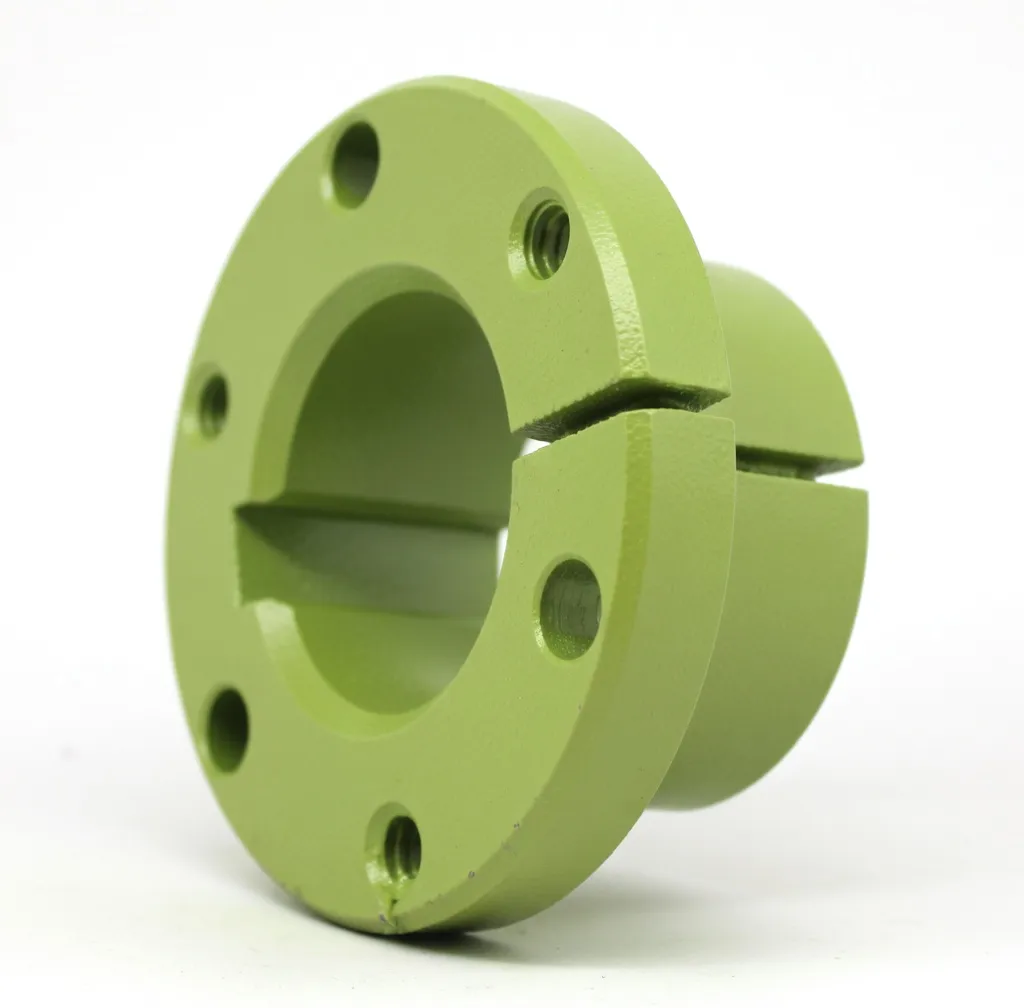
QD bushings — the tapered, quick-detach shaft mounting devices that lock the large drive pinion gear onto the reducer output shaft — sit at the very heart of this drive system. In cement kiln service, QD bushings must handle continuous torques that can reach 120,000 N·m, absorb the axial thermal expansion of steel shafts exposed to radiant kiln heat, resist the relentless penetration of fine cement dust, and still be removable quickly during planned maintenance shutdowns. Selecting the correct QD bushing specification for this application is not a detail — it directly determines gear alignment, shaft service life, and the cost of every planned outage.
This article examines the specific engineering challenges of cement rotary kiln drive applications in the United Kingdom and across Europe, explains why kiln-grade QD bushings differ significantly from catalogue standard products, and provides practical guidance for maintenance engineers, plant managers, and procurement teams sourcing drive components for building materials operations.
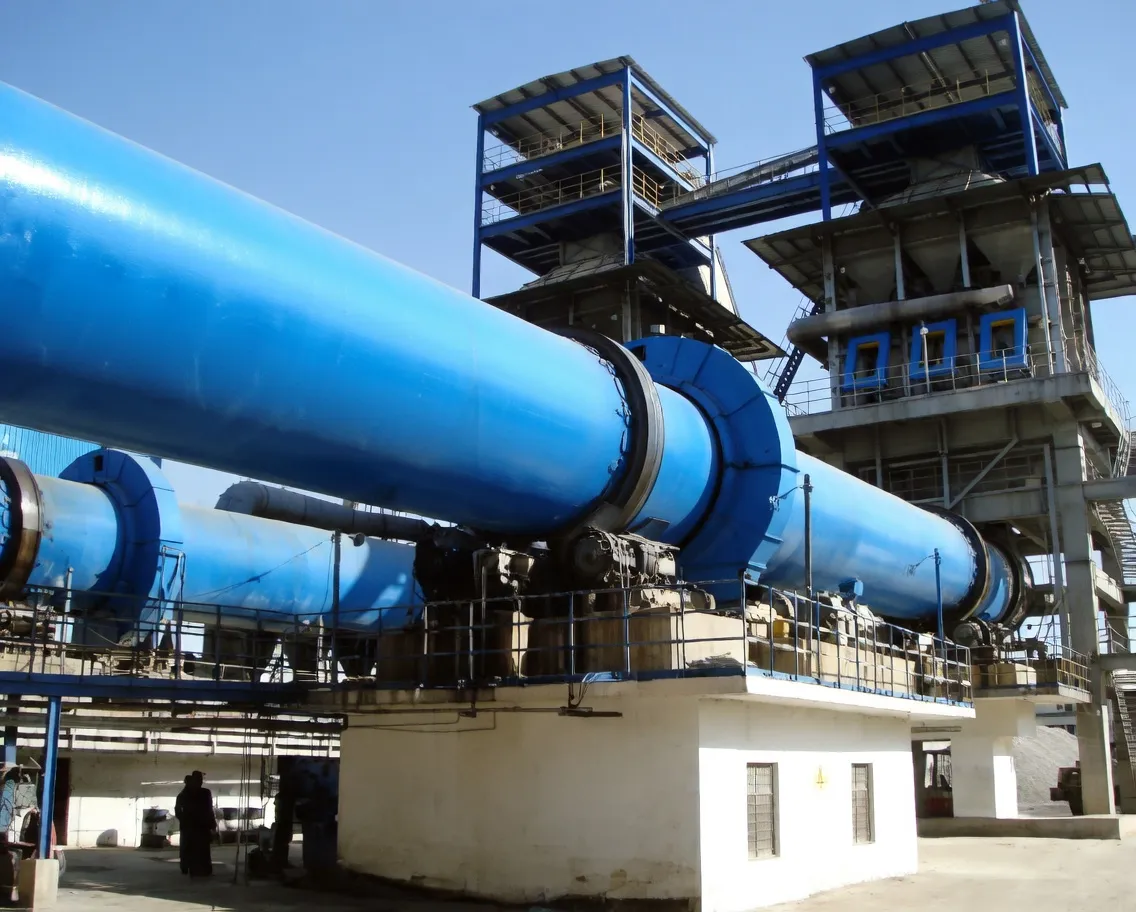 Ever Power kiln-grade QD bushings — engineered for cement rotary kiln pinion mounting in high-temperature, high-dust environments
What Are QD Bushings and How Do They Function in a Rotary Kiln Drive?
Mechanical principles, material science and thermal performance
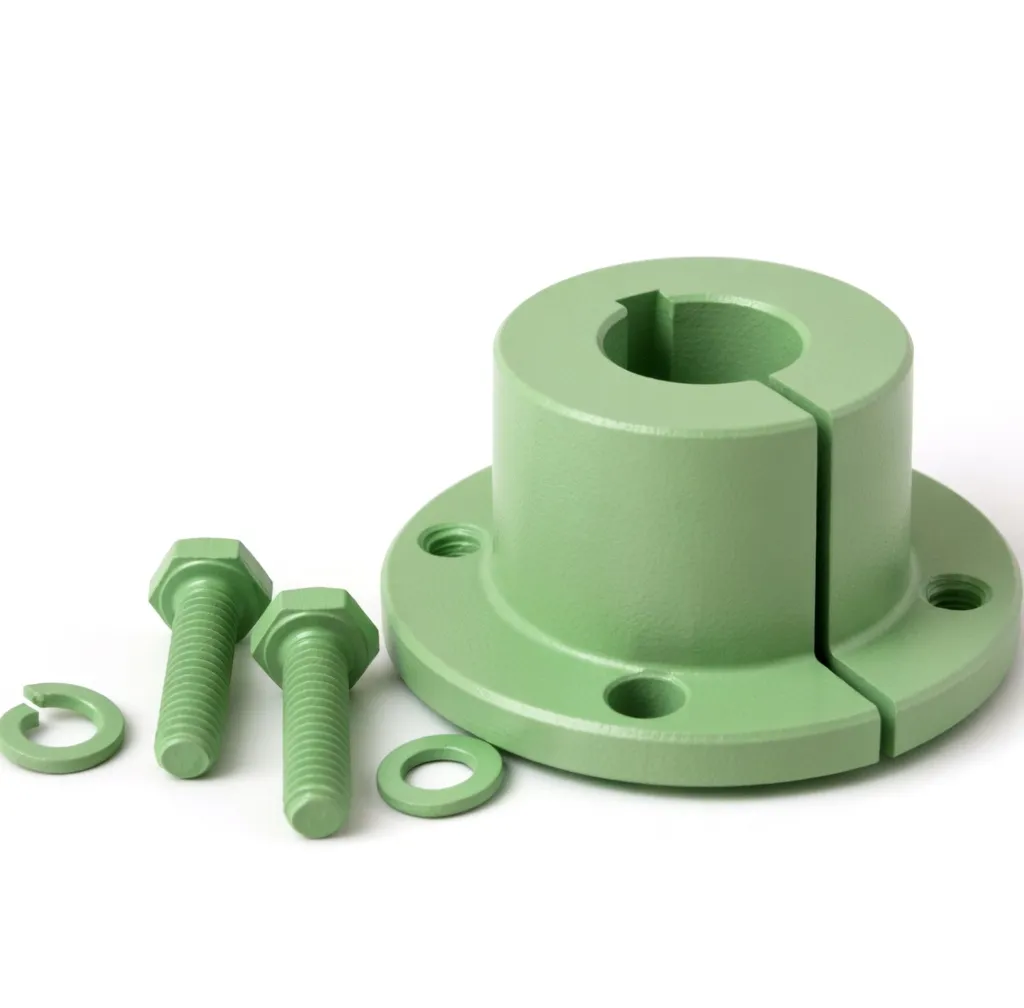 QD stands for Quick Detach — a term that describes both the locking mechanism and the disassembly method of these shaft-mounting devices. The operating principle is elegantly simple: a split, tapered sleeve is drawn into a matching taper bore machined into the hub of a sprocket, sheave, or gear. As the mounting bolts are progressively tightened to the specified torque, the tapered sleeve is pulled deeper into the hub bore. Because the angle of the taper is in the self-locking range — approximately 8 degrees — the wedging action multiplies the bolt clamping force many times over, generating enormous radial compression around the shaft. The resulting friction joint transmits torque without relying on keyway shear stress, making QD bushings inherently superior to keyed interference fits in applications where shock loading or fretting fatigue are primary concerns.
In a cement rotary kiln drive, this mechanical principle delivers several directly measurable engineering advantages. The tapered interface self-centres the pinion gear hub on the reducer shaft during installation, which is critically important for an open-gear pair that must distribute tooth contact load uniformly across the full face width. When thermal expansion causes the reducer output shaft to lengthen axially during the kiln warm-up phase — a movement that can reach 3 to 5 mm on a large-diameter shaft heated from ambient winter temperatures to fully warmed operating conditions — the QD bushing accommodates this displacement without transmitting bending moments into the gear teeth or overloading the reducer output bearing.
The material specification for QD bushings in cement kiln service differs substantially from standard catalogue products. The bushing body must be manufactured from medium-alloy steel — most commonly 42CrMo4 (equivalent to AISI 4140 or SCM440), quench-and-tempered to achieve tensile strength above 900 MPa — rather than the plain ductile iron or C45 steel used in lighter-duty applications. The bore surface finish and the split-face geometry must both be held to tight tolerances, because any surface irregularity at the shaft interface will initiate fretting under the cyclic loading inherent in a kiln drive. Surface treatment for kiln environments typically combines phosphate conversion coating with a PTFE impregnation, providing both corrosion resistance and a barrier against cement-dust infiltration into the clamping interface.
Technical Parameters — Kiln-Grade vs Standard QD Bushings
Key performance specifications for cement rotary kiln drive applications
| Parameter | Standard QD Bushing | Kiln-Grade (Ever Power) | Engineering Note |
|---|---|---|---|
| Bore size range | 15 – 200 mm | 80 – 350 mm (custom) | Kiln pinion shafts typically 150–250 mm dia. |
| Max transmissible torque | Up to 25,000 N·m | Up to 120,000 N·m | Reinforced body wall + grade 12.9 fasteners |
| Continuous operating temperature | −20°C to +80°C | −10°C to +200°C | High-alloy steel retains clamp force at temperature |
| Body material | Ductile iron / C45 steel | 42CrMo4 Q&T alloy steel | UTS >900 MPa; superior impact toughness |
| Surface treatment | Black oxide / zinc plate | Phosphate + PTFE coating | Blocks cement-dust ingress and fretting oxide |
| Taper angle | 8° self-locking | 8° self-locking | Clamp force increases under torque load |
| Dust protection class | IP54 equivalent | IP65 equivalent | Essential in cement environments above 500 mg/m³ |
| Removal method | Standard hex wrench | Torque wrench + hydraulic assist | Planned outage pinion work reduced to under 4 hrs |
| Quality certification | Standard mill cert | ISO 9001 + material traceability | Full documentation for plant maintenance records |
Three Reasons Cement Kilns Destroy Ordinary Drive Components
Extreme and Variable Thermal Loading
The kiln shell surface reaches 300–400°C, and the radiated heat raises ambient drive-area temperatures well above 60°C in most UK cement plants. During a cold winter start-up in the Midlands or Yorkshire — where ambient temperatures can be near zero — the reducer output shaft can be at 5°C at the start of commissioning and rise to over 80°C at the shaft surface within hours of the kiln reaching operating speed. This temperature range produces axial shaft growth of 3 to 5 mm, a movement that must be accommodated at the shaft-hub interface. Standard interference fits or key-based assemblies cannot absorb this movement without generating destructive stress cycles.
Continuous Heavy-Duty Torque Transmission
A large cement kiln drive transmits torques in the 50,000 to 120,000 N·m range at the pinion gear shaft — continuously, around the clock, for operational runs that can extend to 12 months between shutdowns. This is not intermittent or cyclical loading in the conventional sense; it is sustained, high-magnitude torque punctuated by surge peaks during material charging and during kiln start-up sequences. In this environment, any fretting or micro-slip at the shaft-to-bushing interface produces metallic oxide debris that contaminates the open-gear lubricant, accelerates tooth wear, and ultimately drives up maintenance cost and gear replacement frequency.
Pervasive Cement Dust as an Abrasive Agent
Cement dust is not just a contamination risk — it is an active abrasive. With a Mohs hardness of approximately 6 and particulate concentrations near the drive housing commonly exceeding 1,000 mg/m³, cement dust infiltrating mechanical clearances acts as a lapping compound. Any gap between the bushing split faces or at the mounting bolt holes becomes a pathway for fine particulates to reach the precision-ground clamping surfaces. Once established, cement-dust abrasion at the shaft-bore interface produces rapid material removal, surface roughening, and the initiation of fretting fatigue cracks that propagate through the bushing body under the cyclic loading of normal kiln operation.
Beyond these primary challenges, kiln drives operate under a low-frequency vibration load transmitted from the kiln shell itself — a body that is never in perfect dynamic balance and that changes its mass distribution continuously as clinker bed height varies within the kiln. The QD bushing must therefore provide a vibration-resistant, rigid shaft-hub connection while still being demountable within a practical timeframe during maintenance outages. This dual demand — maximum rigidity during operation, practical removability during maintenance — is precisely the application that the QD design concept was engineered to address.
UK cement plant operations — including major integrated plants in South Wales, the Midlands, Yorkshire and the South East — operate to increasingly tight production schedules driven by housing demand and infrastructure spend. The cost of unplanned kiln downtime at a large plant can comfortably exceed £40,000 per day in lost production. In this context, a QD bushing failure that forces an emergency shutdown is not just a maintenance event — it is a commercially significant incident that affects the entire plant’s output and delivery commitments.
6 Engineering Advantages of Ever Power Kiln-Grade QD Bushings
Designed specifically for the demands of cement rotary kiln open-gear drive systems
Self-Amplifying Torque Grip
The 8° self-locking taper generates radial clamping forces that actually increase as applied torque rises — meaning the bushing becomes harder to slip precisely when drive loads are highest, including during the high-inertia kiln start-up sequence.
Defined Thermal Expansion Management
Unlike interference fits, which develop unpredictable contact stresses across the full temperature operating range, the QD bushing’s controlled clamping geometry maintains a consistent radial load regardless of whether the shaft is cold or fully heat-soaked. This prevents the micro-slip cycles that generate fretting oxide debris.
IP65-Equivalent Dust Exclusion
Precision-ground split faces combined with phosphate-PTFE surface treatment close off every potential pathway for cement particulates, protecting the critical clamping surfaces from the abrasive damage that shortens bushing life in standard products operating in high-dust environments.
Outage Time Savings — Rapid Pinion Removal
The quick-detach design allows pinion removal without shaft cutting or machining, reducing drive-end maintenance from an unpredictable eight-to-twelve-hour interference-fit breaking operation to a controlled four-hour window — a direct saving in planned outage duration and labour cost.
Precision Self-Centring for Gear Alignment
The tapered sleeve automatically centres the pinion hub on the shaft axis during tightening, ensuring the open-gear pair achieves correct tooth contact pattern from the first rotation. Consistent alignment is the single most important factor in achieving the 25 to 40-year design life of cement kiln open-gear assemblies.
42CrMo4 Alloy Steel Construction
Kiln-grade QD bushings from Ever Power are machined from 42CrMo4 (equivalent to AISI 4140) alloy steel, quench-and-tempered to tensile strength above 900 MPa. This material combines the hardness needed to resist surface wear at the shaft interface with the impact toughness required to absorb the shock loads generated during material fall-in events and emergency kiln stops.
Application in Practice: QD Bushings Across the Cement Kiln Drive System
In a typical cement plant — whether a large integrated works in South Wales, an upgraded dry-process facility in the East Midlands, or a coastal import-and-grind operation near a UK port — the rotary kiln drive train follows a well-established layout. One or two high-voltage electric motors, typically 400 kW to 2,500 kW each, drive through fluid or mechanical couplings into multi-stage helical or planetary reducers. The final reducer output shaft, most commonly 150 to 250 mm in diameter, carries the drive pinion gear. This pinion engages with the large cast steel bull gear mounted around the kiln shell mid-span, completing the open-gear transmission. QD bushings are fitted at the connection between the reducer output shaft and the pinion hub — the point of highest torque in the entire drive train.
During kiln start-up from cold conditions — standard practice after annual maintenance outages — the shaft and hub experience different thermal expansion rates as the drive area gradually heats up. On a cold January morning at a cement plant in northern England, the reducer output shaft might begin at 3°C. Six hours later, with the kiln approaching operating temperature, the surface temperature of that shaft near the drive area will have risen to 75°C or above, and the shaft will have extended axially by several millimetres. A QD bushing specification that has not accounted for this differential expansion will experience fretting at the contact interface during its very first operational cycle — producing the reddish-brown oxide debris that is the first visible sign of premature failure.
Regular planned maintenance on UK cement kilns typically follows annual or biennial cycles aligned with the kiln refractory brick replacement schedule. During these outages, the open-gear pair is inspected for tooth wear, contact pattern, and surface fatigue. A common life-extension technique for kiln drive pinions is to rotate the pinion 180° — a process called flip-turn or rotation — to present fresh, unworn tooth surfaces to the bull gear. This operation requires complete removal of the pinion from the shaft. With a conventional interference fit, removing the pinion can involve hours of hydraulic press work, shaft heating, and the risk of shaft surface damage. With QD bushings, the same operation is completed methodically in four hours by a two-person maintenance team, with no shaft damage and no requirement for post-removal shaft re-machining.
Many cement kilns also incorporate an auxiliary or creep drive — a small secondary motor engaged during power failures or maintenance operations to rotate the kiln slowly and prevent shell distortion through differential cooling. The pinion gear in the auxiliary drive is typically much smaller than the main drive pinion but faces the same installation environment: high temperatures, cement dust, and the need for periodic removal. Ever Power manufactures matched QD bushing sets for both main and auxiliary kiln drives, ensuring dimensional interchangeability and consistent mounting torque specifications across the complete drive system. This simplifies spare parts management and reduces the risk of incorrect installation during emergency maintenance situations.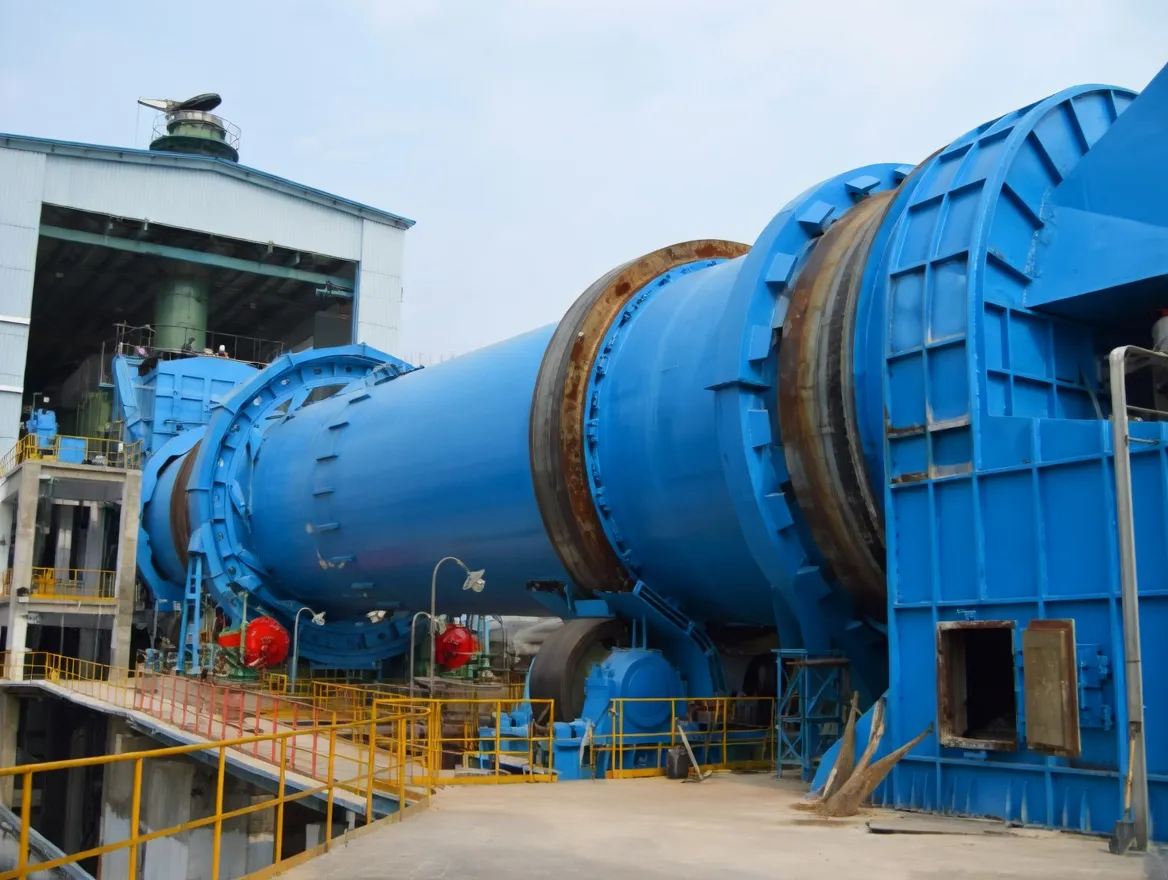
Customer Success Case Study
Real-world results from a UK building materials manufacturing facility
What Plant Engineers Say
Verified feedback from maintenance professionals in cement and heavy industry
We had been dealing with recurring fretting on the Kiln 1 pinion shaft for three years. After switching to Ever Power’s kiln-grade QD bushings in our 2023 shutdown, the six-month inspection showed the shaft surface in as-new condition. The installation itself was also noticeably faster and cleaner than the interference-fit work we’d been doing before. The difference in outage planning predictability alone has been worth it.
We operate three kilns across two sites in Belgium and the QD bushings from Ever Power have been running without issue for over two years. The price was very competitive compared to European OEM routes, and the lead time on custom bore dimensions was just three weeks — which is genuinely fast for a heavy industrial component at this scale. We are currently specifying them for Kiln 3 during our 2025 overhaul.
I was cautious about changing the pinion mounting on a kiln that had run the same way for fifteen years, even though the fretting was getting worse and the shaft had been machined twice. What convinced me was that Ever Power’s application engineer reviewed our full torque calculation and thermal cycle data before recommending the specification. Eighteen months on, the journal surface looks as good as when the bushing went in. Very satisfied with both the product and the support.
Ever Power Manufacturing
Custom QD Bushing Manufacturing for Cement Industry Clients in the UK and Europe
Ever Power operates a dedicated heavy industrial component manufacturing facility equipped with large-capacity CNC turning centres, cylindrical grinding machines, and precision boring equipment capable of producing QD bushings in bore sizes from 15 mm to 350 mm and body lengths to 500 mm. For cement kiln applications, we offer a comprehensive custom engineering service. Our application engineers review your existing drive specifications — including shaft diameter, hub bore, keyway geometry, rated torque, ambient temperature profile, and dust exposure level — and design a QD bushing solution that meets or exceeds every performance requirement of your specific installation.
Every cement kiln drive is different. Shaft diameters vary, hub bore tolerances differ, keyway profiles range from standard imperial to modern metric, and the thermal and dust environment changes from plant to plant. Our customisation capability covers non-standard bore diameters and tolerance fits, special keyway profiles including key-free configurations for maximum torque transfer, custom split-face sealing geometries for extreme-dust installations, corrosion-resistant coatings for outdoor or exposed drive positions, and full material certification documentation to ISO 9001 standards. Standard custom-bore items are typically delivered within two to four weeks from order confirmation, with expedited options available for urgent maintenance requirements across the UK and continental Europe.
Custom Manufacturing Capabilities
Bore sizes: 15 mm to 350 mm (custom)
Materials: C45, 42CrMo4, 316 stainless, ductile iron
Keyways: standard metric, inch, tapered, key-free
Coatings: phosphate-PTFE, zinc-nickel, hard chrome
Certification: ISO 9001, full material traceability
Lead time: 2–4 weeks custom, 1 week stock sizes
UK delivery: DDP (Delivered Duty Paid) available
Application engineering support included
Contact our team:
[email protected]
Frequently Asked Questions
Questions from cement plant engineers, maintenance managers and procurement teams across the UK
Ready to Upgrade Your Cement Kiln Drive?
Send your shaft diameter, hub bore, rated torque and operating temperature to our engineering team. We will review your drive application and provide a tailored kiln-grade QD bushing solution with full technical documentation and competitive pricing.
edit by gzl