
Food & Beverage Power Transmission
QD Bushings for Food and Beverage Filling Production Lines: Hygienic Power Transmission in High-Speed Bottling Systems
Engineered for 24/7 bottling, dairy, and condiment plants operating across the United Kingdom and the wider European market.
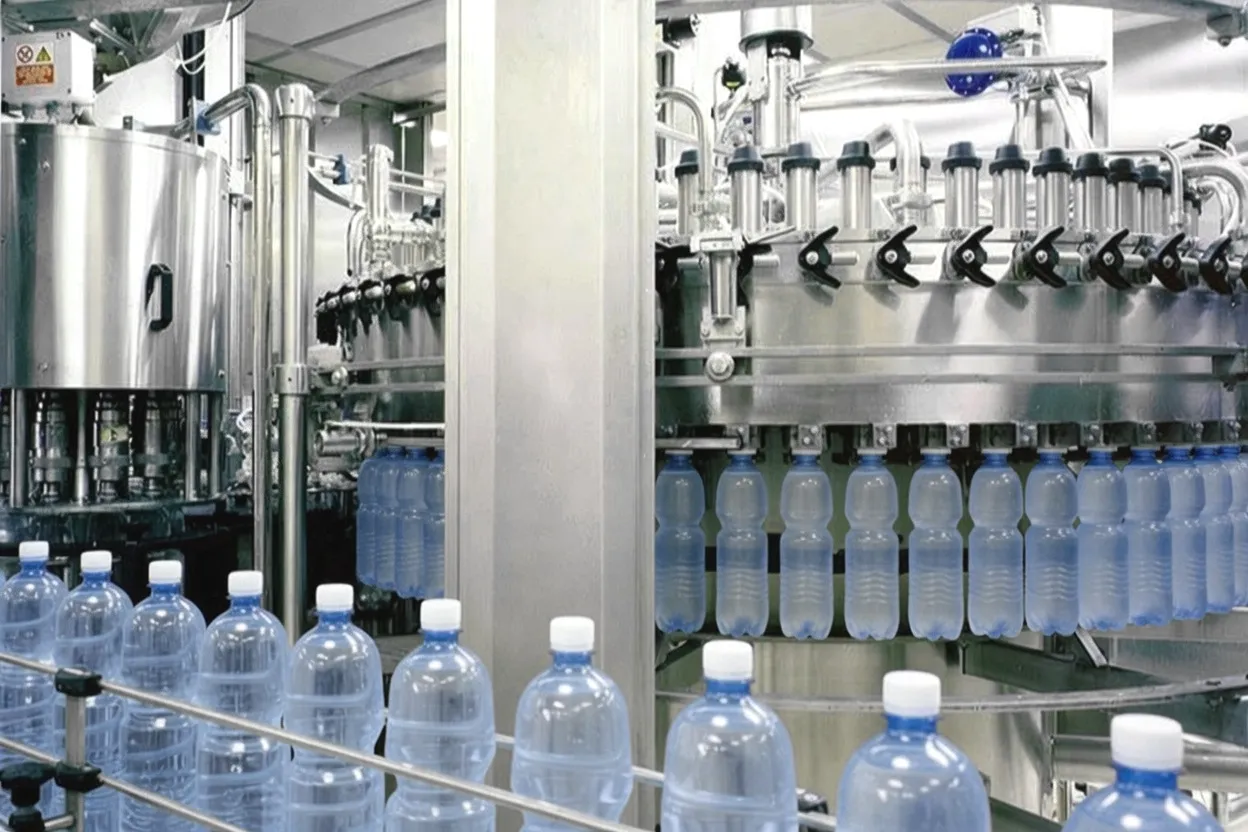 Walk into a soft drinks plant in Burton-on-Trent or a dairy bottling facility in Somerset, and the picture is remarkably consistent. Stainless-steel conveyors hum at full tilt, filler carousels rotate at several hundred revolutions per minute, and capping heads snap shut in fractions of a second. Behind every one of those movements sits a sprocket, a pulley, or a gearbox output shaft that must stay locked to its hub no matter how aggressively the line pushes product. A mid-size UK bottler may move 36,000 containers per hour; a yoghurt pot filler in the South West seals lids faster than an operator can register. When the hub-to-shaft joint slips, the line stops. When it corrodes after thousands of caustic clean-in-place cycles, the line also stops.
QD bushings have quietly become the dominant specification on British bottling floors because they combine a taper-lock grip with a removable, serviceable design that tolerates the punishing rhythm of continuous food production. This article walks through how QD bushings earn their place on filler carousels, capping stations, cartoning units, and CIP skid drives, and why procurement teams at UK bottlers increasingly name the component on replacement orders rather than ordering whatever the original OEM fitted.
Why British Bottlers Specify Them
Advantages That Matter on a Live Filling Line
Hub-and-shaft connections on a beverage line face four simultaneous stresses: continuous torque reversal during start-stop cycling, thermal swing between chilled product rooms and 85 °C CIP flushes, water ingress around every pulley housing, and vibration from off-balance containers riding the track. Standard set-screw hubs loosen within weeks under that load. QD bushings distribute clamping force around the entire shaft circumference through a tapered split design, giving a concentric grip that does not score the shaft and does not walk under reversing loads.
True 360° Concentric Clamp
Split taper geometry removes shaft damage and eliminates the wallowed keyways that plague set-screw hubs on reversing conveyors.
Tool-Free Changeover
Three cap screws release the taper. A fitter at a Scottish distillery can swap a QD bushing in ten minutes instead of wrestling with a bearing puller.
Washdown-Ready Coating
Electroless nickel or passivated 316 variants withstand caustic and peracetic acid cycles without pitting or flake release.
FDA & EU 1935/2004 Compliant
Material traceability certificates cover indirect food contact zones on filler carousels, cappers, and cartoner drives.
Re-Usable Hardware
One QD bushing survives thirty sprocket changes during a line lifecycle, cutting spare-part budgets for seasonal format swaps.
Predictable Torque Rating
Published torque curves let engineers right-size the drive train without oversizing sprockets, saving motor and inverter costs.
How They Work & What They Are Made Of
Principle, Material, and Performance Data
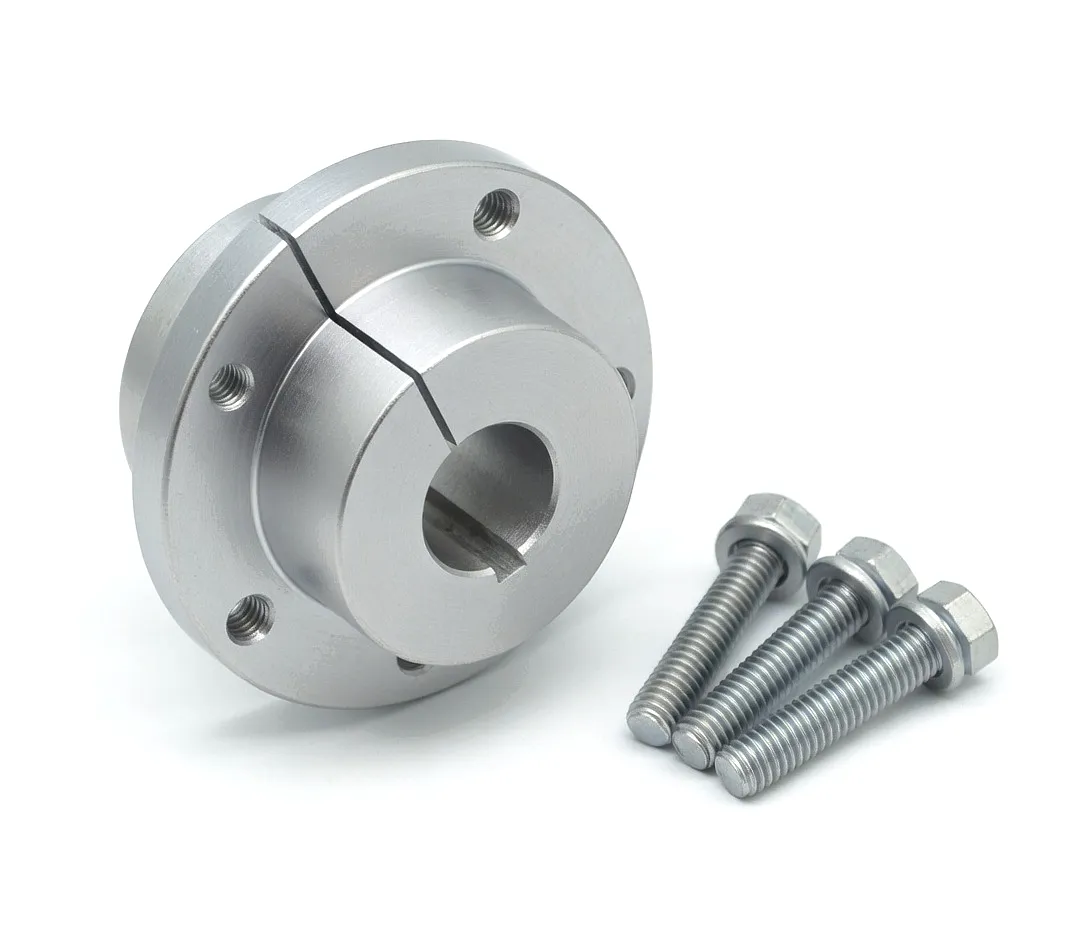 A QD bushing is a flanged, tapered-bore component split axially along one side. Cap screws drawn through the flange pull the bushing into the matching taper bore of a sprocket, pulley, or sheave. As the taper closes, the split gap narrows, clamping the inner bore around the shaft with a uniform radial force. Reversing the screws into the pull-off threads jacks the taper apart again for removal. The geometry is self-centring, which is why filler carousels running at 600 rpm hold dynamic balance grade G6.3 without secondary adjustment.
Material selection matters more in food plants than in most industries. Standard cast-iron QD bushings work fine in dry snack packaging lines, but in wet beverage zones Ever Power supplies QD bushings machined from forged 1045 carbon steel with electroless nickel plating, or fully machined from 316L stainless with passivation per ASTM A967. Blue-dyed anti-microbial coatings assist visual inspection under USDA-style sanitation audits that some UK export dairies still follow for North American customers.
| Parameter | Standard Grade | Food & Beverage Grade |
|---|---|---|
| Body Material | Cast iron GG25 | 316L stainless / EN plated 1045 |
| Shaft Bore Range | 12 mm – 125 mm | 12 mm – 125 mm |
| Max Transmissible Torque | Up to 12,800 Nm | Up to 11,500 Nm |
| Operating Temperature | -20 to +150 °C | -40 to +180 °C (CIP & SIP) |
| Concentricity (T.I.R.) | 0.08 mm | 0.05 mm |
| Corrosion Resistance | Phosphate coat | Passivated, 500h salt spray |
| Food Contact Compliance | Not certified | FDA 21 CFR / EU 1935/2004 |
| Service Life (CIP cycles) | ~3,000 cycles | > 12,000 cycles |
| Re-Installation Cycles | 10 – 15 | 25 – 35 |
Typical values for Ever Power QD bushings. Exact figures depend on bushing series (JA, SH, SDS, SD, SK, SF, E, F, J, M, N, P, W) and bore size.
Where They Live on a Filling Line
Application Scenarios Across the Bottling Hall
Conveyor Drive Sprockets
Plastic-chain and modular-belt conveyors moving cans, PET bottles, and tetra cartons rely on QD bushings at every driven sprocket to eliminate axial creep.
Filler Carousel Gearbox Output
The output shaft of the main carousel gearbox demands zero-backlash coupling to avoid bottle-under-filler mis-timing at 600 rpm.
Capper Turret Drives
Torque transmission between servo motor and capping turret must hold registration to within 0.1° for consistent closure application.
CIP/SIP Pump Belt Drives
Clean-in-place centrifugal pumps run V-belt sheaves that see daily chemical splash. Sealed QD bushings keep rust off the shaft register.
Cartoner & Case Packer Heads
End-of-line secondary packaging demands frequent format changes. QD bushings allow sprocket swaps in minutes during scheduled downtime.
Homogeniser and Mixer Drives
Dairy homogenisers at 250 bar generate shock loading that would destroy a keyed hub but is routinely handled by QD bushings.
Customer Success Story
A Midlands Soft Drinks Bottler Cuts Unplanned Downtime by 62%
A family-owned soft drinks bottler headquartered near Coventry runs four PET lines with a combined rated output of 48,000 bottles per hour. The site packs mainly 330 ml and 500 ml carbonated drinks for private-label retailers across England, Scotland, and the Republic of Ireland. Engineering audits during 2023 revealed that nearly 40% of unplanned line stops traced back to loosened set-screw hubs and corroded keyed pulleys on filler carousel drives and CIP return pumps. The maintenance team approached Ever Power for a full conversion package.
Ever Power supplied 186 stainless-compatible QD bushings across series SH, SDS, SD, and SK, matched to the bottler’s existing TaperLock catalogue so that stock sprockets could be re-machined rather than replaced. Commissioning was staged over three weekend shutdowns. Within four months of full rollout, the site recorded a 62% reduction in hub-related downtime and an 18% drop in spare-parts spend on sprockets, pulleys, and shaft machining.
The engineering manager reported that the conversion paid back in just over seven months, measured against the cost of the QD bushings themselves, the re-machining labour, and the avoided production loss of roughly £2,400 per hour during unscheduled stops.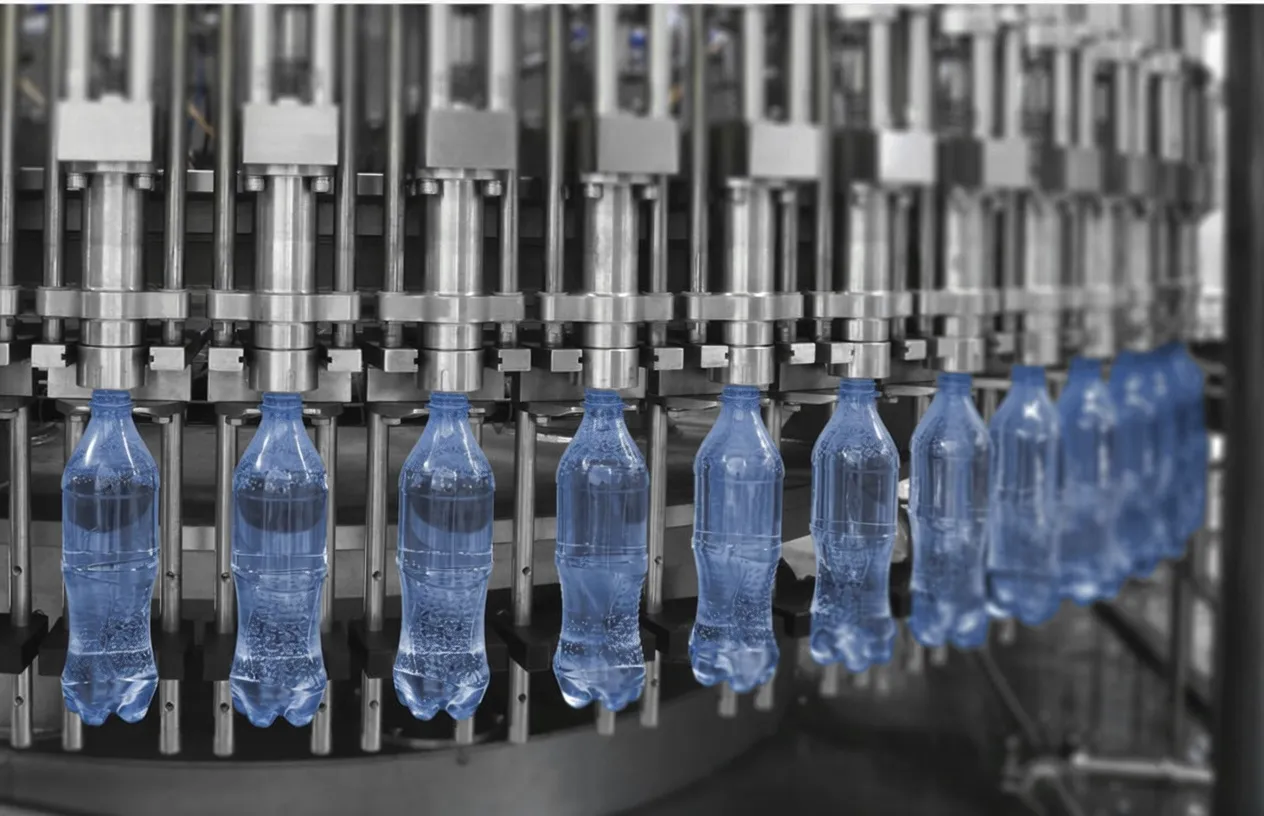
Voices From the Plant Floor
What Engineering Teams Say
The stainless QD bushings we fitted on our yoghurt line survived the first year of daily 85 °C caustic CIP without a single pitting mark. Lead time from quote to UK delivery was eleven days.
— Maintenance Manager
Dairy Processor, South West England
Our lager bottling line used to need a sprocket puller every quarter. Since we moved to Ever Power QD bushings, format changeover between 330 ml and 500 ml takes twelve minutes instead of forty.
— Chief Engineer
Craft Brewery, Yorkshire
Material certificates arrived with every carton of QD bushings. That made our BRCGS audit almost painless, because the engineering evidence pack was already complete on day one.
— Quality & Compliance Lead
Sauce & Condiment Packer, Greater Manchester
Serving the United Kingdom
Delivery, Support and Stock for British Food & Beverage Plants
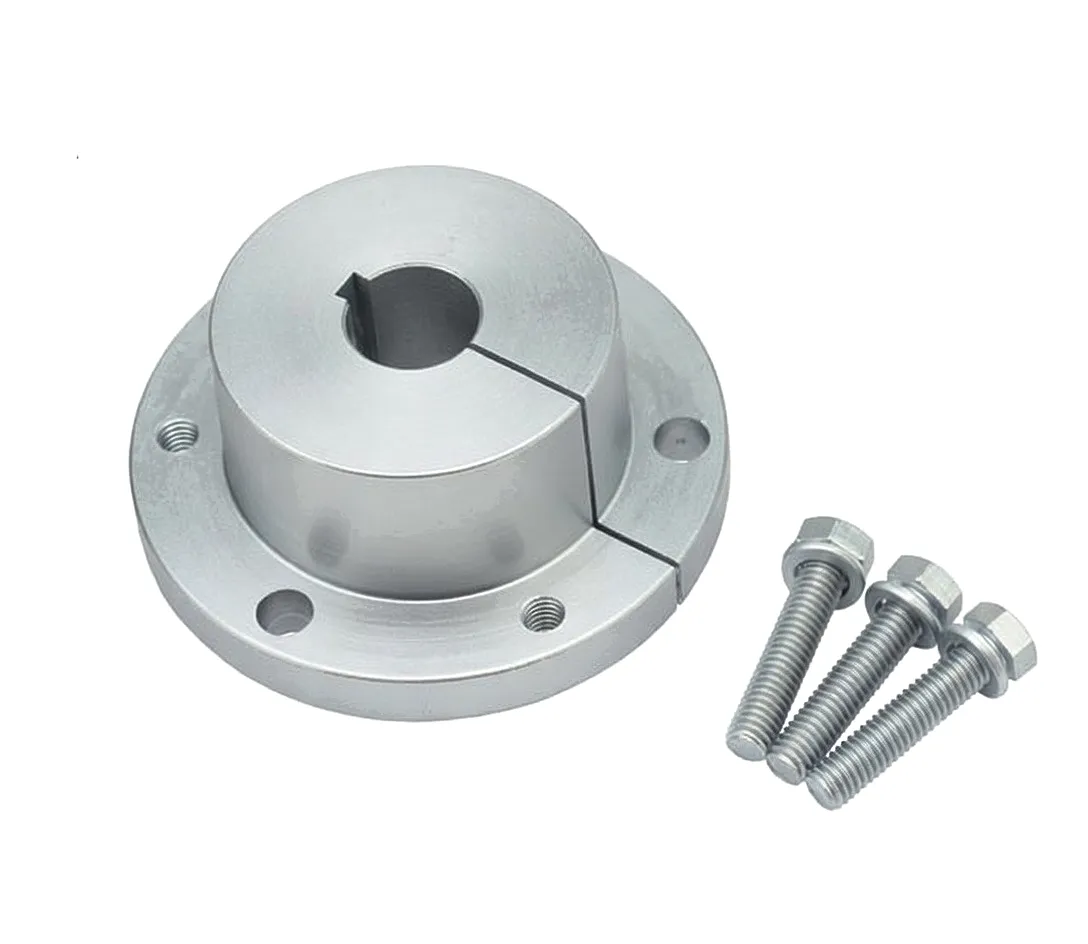 British food manufacturing sits in a tight triangle of pressures. Retailers demand weekly format changes. The Food Standards Agency audits unannounced. Energy costs push engineering teams toward lighter drive trains. QD bushings land neatly inside all three conversations because they simplify changeover, they carry documentation for retailer audits, and their concentric clamp reduces driveline inertia.
Ever Power holds UK-ready stock across the full imperial and metric bore range in Ningbo with bonded-warehouse routing to Felixstowe, Southampton, and Tilbury. Typical door-to-door lead time from order confirmation to a bottling plant in the Midlands sits at 10–14 working days for stock items and 25–30 working days for custom bore or stainless finishes. Technical drawings, material certificates, and declarations for EU 1935/2004 compliance accompany every shipment, which matters for food groups that export finished product back into mainland Europe under UKCA and UKNI labels.
Engineering support for UK customers runs on GMT working hours through a dedicated application desk. Plants in Scotland, Wales, Northern Ireland, and the South West have all commissioned QD bushings through the same channel without delay.
Ever Power Factory & Customisation
Custom QD Bushings Machined to Your Drive Specification
Ever Power operates a 28,000 m² manufacturing facility with CNC turning, milling, gear-hobbing, and in-house heat-treatment. The QD bushings business unit covers all twelve standard series (JA, SH, SDS, SD, SK, SF, E, F, J, M, N, W) plus bespoke builds. Non-standard bores, splined shaft profiles, blue-coated hygienic finishes, extended flanges for belt pulley applications, and complete sub-assemblies with sprocket pre-fitted and balanced are all routine work.
Low minimum-order quantities start from ten pieces for custom bores. First-article inspection reports, 3D STEP files, and torque test data ship with every prototype batch. ISO 9001:2015 certified production and full material traceability from raw bar to finished QD bushings mean OEM customers can pass the paperwork straight into their own quality systems.
Questions We Hear Every Week
Frequently Asked Questions
How much do QD bushings typically cost for a UK beverage bottling line retrofit project?
Budget figures for UK bottling retrofits usually sit between £18 and £260 per QD bushing depending on series size and material. A typical mid-size filler retrofit covering 40 to 60 hub positions lands in the £4,500 to £12,000 bracket for parts alone. Stainless variants for wet zones carry a 45–65% premium over plated carbon steel. Request a line-specific quote and we will itemise the bill of materials before any commitment.
Which QD bushings supplier can actually ship stainless variants to British dairy processors within two weeks?
Ever Power maintains UK-oriented stock of 316L stainless QD bushings in all popular series and bore sizes. Standard items reach Felixstowe, Southampton, or Tilbury on a bonded express route with door-to-door delivery to a UK dairy site in 10–14 working days. Custom bores or unusual flange extensions add roughly two weeks of machining time.
What food-grade coating options should QD bushings use for caustic CIP washdown environments in British plants?
For British food plants running daily caustic and peracetic cycles, electroless nickel plating at 25–40 microns or a full 316L stainless body both perform well. Blue anti-microbial coatings help visual inspection under BRCGS audits. Avoid zinc plating because it reacts with chlorinated sanitisers and releases flaking residue into the washdown stream.
Where can I request a price quote for stainless QD bushings for a Scottish whisky bottling line replacement?
Send the shaft size list, sprocket or pulley part numbers, and a description of the wet environment to [email protected]. A detailed quotation with stainless options and UK lead times returns within one working day. Scottish whisky bottlers receive the same stocked pricing as English and Welsh customers.
How do QD bushings compare with taper-lock bushings on high-speed filler carousels in British breweries?
QD bushings carry roughly 30% more torque than equivalent taper-lock units of the same nominal bore, and they tolerate axial pull-off forces without loosening. British breweries running filler carousels at 500–650 rpm usually prefer QD geometry because the flange sits proud of the sprocket, which simplifies removal when a shaft seal needs service.
When should a UK food manufacturer replace QD bushings on heavily cycled conveyor sprocket drives?
Stainless QD bushings on conveyor sprockets typically run 12,000 CIP cycles or roughly four to five years of continuous two-shift operation before replacement is advised. Inspect the taper contact pattern during every planned shutdown. Replace sooner if radial runout exceeds 0.08 mm or the pull-off threads show galling.
Why are QD bushings preferred by European beverage OEMs over set-screw hubs for high-cycle filling equipment?
European beverage OEMs across Germany, Italy, and the United Kingdom favour QD bushings because the concentric taper clamp eliminates keyway fretting, survives reversing loads, and keeps shafts undamaged for future re-use. Set-screw hubs create localised scoring that ruins the shaft register within months on high-cycle filling equipment.
Ready to Specify the Right QD Bushings for Your Line?
Send us your drive schedule. You will receive a line-by-line QD bushings recommendation, stainless options, material certificates, and UK delivery timing within one working day.
edit by gzl