
Advanced Power Transmission | UK Heavy Industry
Engineering Precision: High-Torque QD Bushings for Rubber Tire Curing Press Transmissions
Optimizing Mechanical Linkages Under 45°C Corrosive Vulcanization Environments
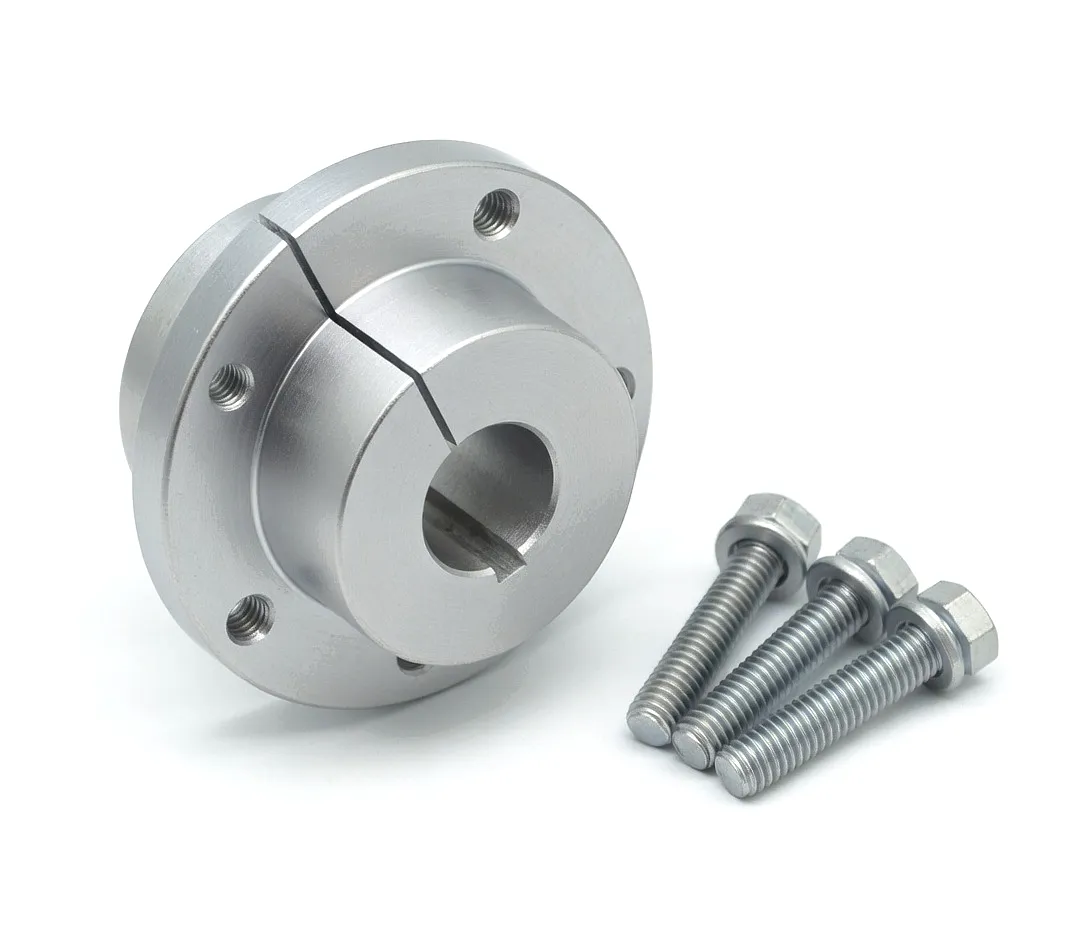 Rubber tire curing presses represent the most critical and final forming equipment within modern tire manufacturing facilities. The mold opening and closing mechanisms demand absolute mechanical precision regarding displacement and applied pressure control to ensure perfect vulcanization. Within mechanical linkage style curing presses, the critical junction connecting the heavy-duty crankshaft to the primary transmission sprockets relies entirely on the structural integrity of QD bushings. These highly engineered mechanical components must endure immense, intermittent torque impact loads. Each tire molding cycle lasts approximately eight to fifteen minutes, necessitating four to seven violent opening and closing operations every single hour of production. Standard shaft mounting methods frequently fail under this relentless cyclic fatigue, leading to catastrophic production line stoppages and expensive mold misalignment. High-quality QD bushings utilize a specialized split-taper design that creates massive compressive forces around the shaft, essentially transforming the sprocket and shaft into a single integrated unit. This sophisticated locking mechanism completely eliminates the microscopic movement that causes fretting corrosion and keyway wallowing.
The factory floor environment presents extreme metallurgical challenges for standard power transmission components. Ambient temperatures within the vulcanization zone hover continuously between 35 and 45 degrees Celsius. The persistent presence of pressurized curing steam combined with volatile sulfur-based rubber compounds generates a highly aggressive, corrosive atmosphere. Ordinary metallic surfaces degrade rapidly, causing conventional setscrews and straight bore hubs to seize or shear entirely. Premium QD bushings engineered for the UK tire manufacturing sector incorporate advanced anti-corrosive surface treatments and dimensionally stable ductile iron alloys. Industrial engineers and maintenance directors across the United Kingdom specify these precise power transmission hardware elements capable of surviving continuous heavy-duty cyclic loading. Seamless operation guarantees uniform tire tread molding, eliminates hazardous flash defects, and maximizes the overall yield of the vulcanization plant. Utilizing purpose-built QD bushings translates directly into measurable productivity gains and vastly extended machinery lifespans for regional tire producers.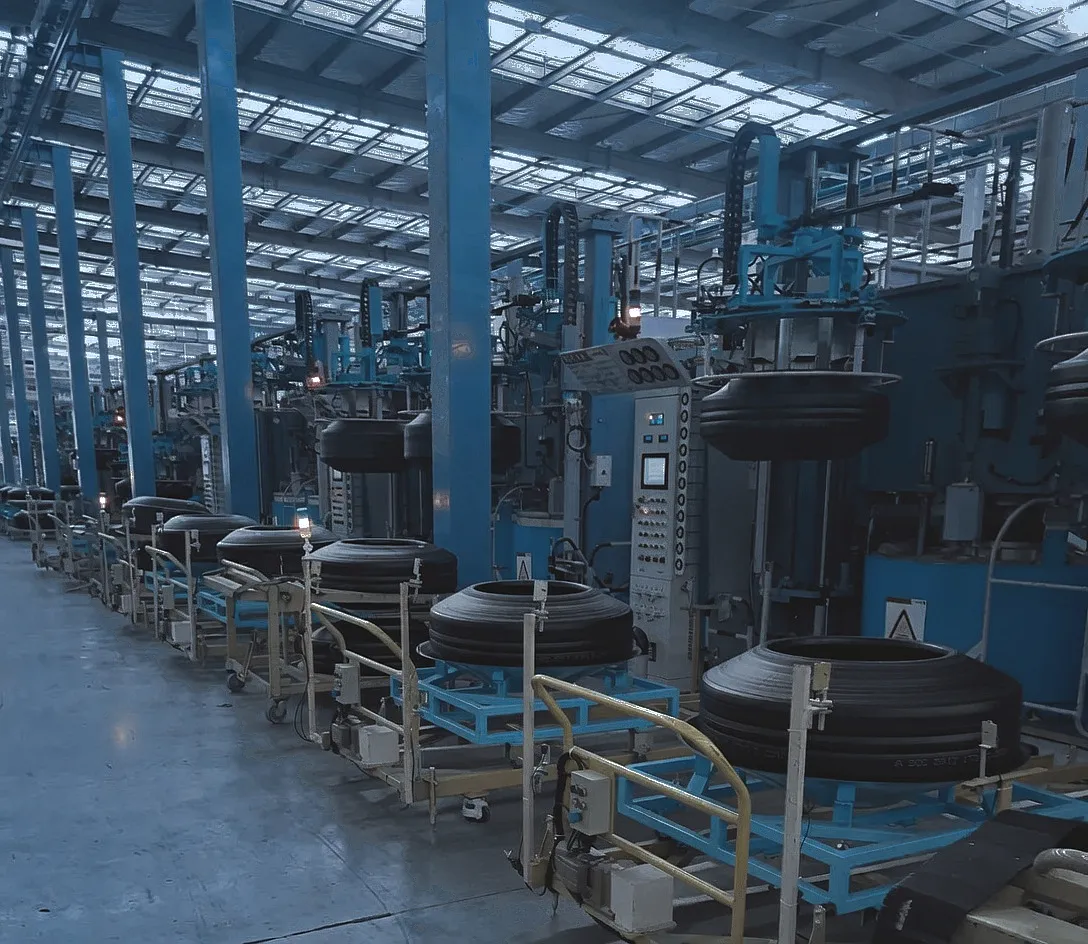
Core Engineering Advantages for Vulcanization Machinery
Intermittent Torque Resilience
The mechanical linkage of a curing press generates violent torque spikes during the initial mold breaking sequence and the final clamping phase. Standard transmission hubs rely solely on a mechanical key to transmit this rotational force, leading to rapid shear stress accumulation and eventual failure. High-performance QD bushings utilize a continuous split-taper profile that generates immense 360-degree radial clamping force. This friction-fit distribution transfers the rotational shockwave across the entire circumference of the drive shaft, virtually eliminating keyway wallowing. Engineers operating UK tire facilities observe a dramatic reduction in mechanical sheer incidents, maintaining precise timing synchronization between the transmission chain and the complex mold linkage systems over thousands of heavy load cycles.
Extreme Thermal Stability
Operating constantly within a harsh 35 to 45 degree Celsius environment tests the dimensional integrity of any mechanical connector. Thermal expansion and contraction cycles during vulcanizer downtime periods frequently cause standard press-fit components to loosen, inducing dangerous vibration. Engineered QD bushings are machined from precisely controlled metallurgical alloys that match the thermal expansion coefficient of the primary drive shafts. This thermal synchronization ensures the clamping force remains perfectly consistent regardless of ambient temperature fluctuations. The split taper design intrinsically compensates for minute dimensional variations, securing the sprocket with unwavering rigidity. Production machinery maintains absolute displacement accuracy, ensuring the heated rubber matrix flows perfectly within the tire mold without dangerous flash escaping the parting lines.
Volatile Corrosion Resistance
Tire manufacturing environments generate continuous clouds of hot curing steam infused with highly reactive rubber volatiles, sulfur compounds, and chemical accelerators. Unprotected steel surfaces rapidly succumb to deep pitting and rust, essentially welding standard hubs onto the shaft and making maintenance impossible without destructive cutting. Advanced QD bushings feature deep-penetrating surface treatments, including zinc-phosphate conversion coatings and specialized industrial sealants. These barriers completely isolate the underlying metallic structure from corrosive atmospheric agents. The precise machining tolerances of the tapered interface prevent moisture ingress into the shaft mating surfaces. Maintenance teams can easily disengage the internal cap screws, utilizing the integrated pull-up bolts to effortlessly demount the bushing even after years of continuous exposure to vulcanizing gases.
Technical Dynamics & Material Science Integration
High-Tensile Ductile Iron Matrix
The fundamental structural integrity of our industrial hardware relies on precisely formulated nodular cast iron materials. This specific metallurgical composition provides the optimal balance between immense compressive strength required for clamping forces and the necessary elasticity to absorb sudden shock loads. During the violent mold closing phase of the rubber tire curing press, standard grey cast iron components face a severe risk of sudden brittle fracture. Our specialized nodular matrix contains spheroidal graphite structures that interrupt crack propagation, ensuring the QD bushings deform slightly under extreme overload conditions rather than shattering. This careful material selection provides a critical fail-safe mechanism, protecting the expensive primary crankshaft and transmission chains from collateral damage during mechanical jams.
Precision Taper Angle Geometry
The mechanical superiority of this mounting system originates from the highly calculated taper angle connecting the bushing outer diameter to the sprocket bore inner diameter. Machined to exacting micro-tolerances using advanced CNC grinding centers, this specific geometry generates tremendous mechanical advantage. As the retaining cap screws are tightened, the axial motion is converted into massive radial pressure gripping the transmission shaft. This precise angle ensures a self-locking friction fit that entirely eliminates fretting wear during the high-frequency 4 to 7 opening cycles per hour. The mathematical exactness of the taper prevents any concentricity deviation, guaranteeing that the heavy drive chains track perfectly straight, which subsequently drastically reduces expensive chain link wear and sprocket tooth degradation across the production line.
Automated Stress Relief Protocols
Internal metallurgical stresses present a hidden danger in high-torque mechanical power transmission components. During the raw casting and aggressive machining phases, internal tensions accumulate within the molecular structure of the metal. Upon encountering the severe operating conditions of the 45°C vulcanization environment, these dormant stresses can induce microscopic warping, ruining the critical taper contact area. We subject every single QD bushing batch to comprehensive computer-controlled thermal stress relief cycling. The components are heated slowly to a specific critical threshold and held precisely before controlled atmospheric cooling. This invisible but crucial engineering process reorganizes the crystalline grain structure, resulting in a dimensionally permanent component that refuses to distort even after years of enduring massive intermittent torque impacts inside heavy tire presses.
Operational Validation: UK Industrial Success Profile
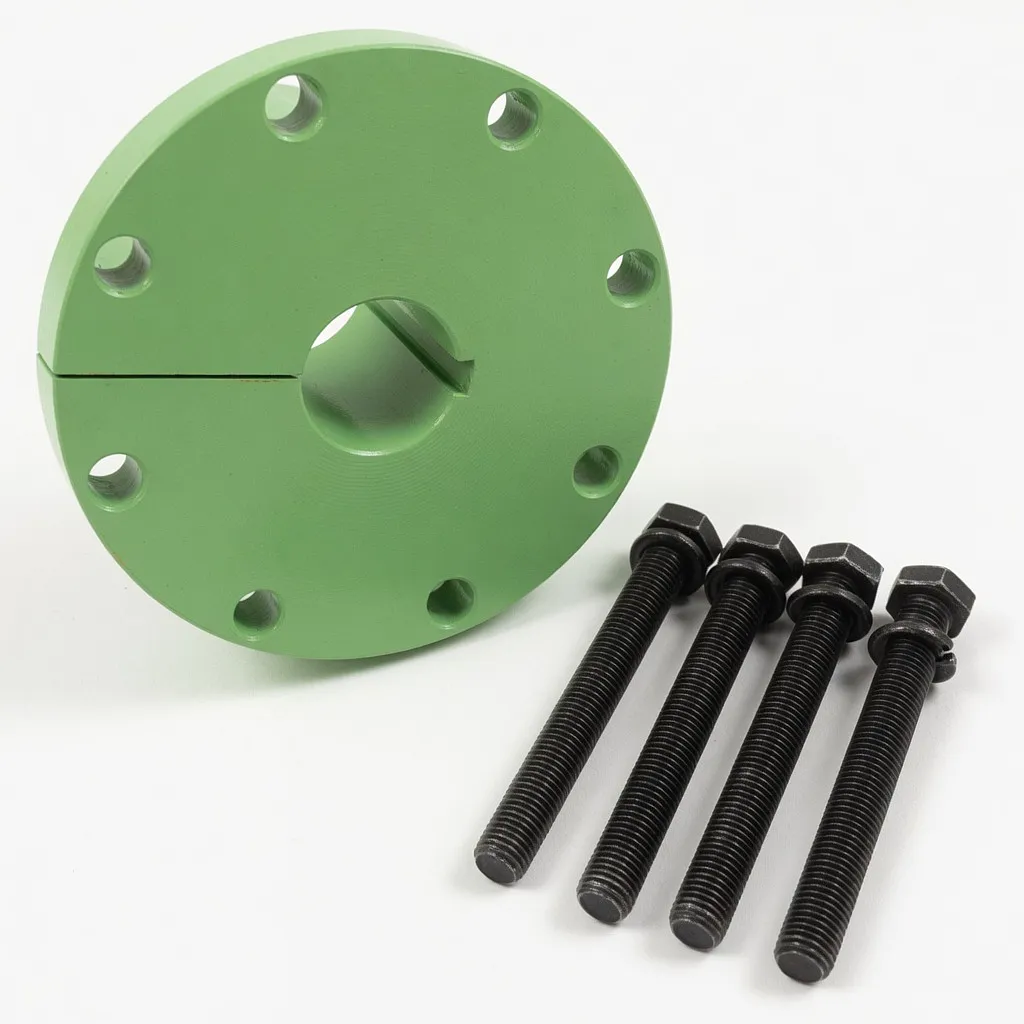 A major commercial vehicle tire manufacturing complex located in Birmingham, United Kingdom, recently faced severe operational bottlenecks. Their mechanical linkage style curing presses, responsible for producing massive truck tires, were experiencing continuous transmission failures. The extreme intermittent torque loads generated during the eight-minute high-pressure molding cycles repeatedly sheared the standard straight-bore sprocket keys. Maintenance logs indicated an unacceptable rate of machinery downtime, exacerbated by the harsh 42°C atmospheric conditions saturated with corrosive vulcanization steam. Upgrading the entire power transmission array to heavy-duty QD bushings instantly resolved the mechanical shearing issues. The immense radial clamping force of the split-taper design locked the heavy sprockets to the crankshafts with zero backlash. Production efficiency metrics increased by nineteen percent within the first quarter, while preventative maintenance costs related to transmission realignment dropped precipitously. The anti-corrosive treatments effectively repelled the aggressive sulfur compounds, maintaining perfectly pristine mounting surfaces for future rapid tooling changeovers.
“The sheer mechanical reliability of these power transmission components transformed our vulcanization floor. We previously suffered constant sprocket loosening under heavy torque impacts, destroying expensive drive shafts. Since integrating the QD bushings, the mechanical linkages run relentlessly without a single structural failure. Outstanding engineering hardware.”
— Arthur Pendelton, Senior Mechanical Engineer, Coventry Tire Systems UK
“The chemical resistance built into these mounts is spectacular. Our curing presses expose all exposed metal to brutal steam and sulfur compounds constantly hovering around 40 degrees. Standard hubs rust solid within months. The specialized coating on these QD bushings means we can still detach them effortlessly during annual mold maintenance overhauls.”
— Liam Davies, Maintenance Supervisor, Industrial Rubber Solutions Manchester
“Procuring highly precise, heavy-duty components capable of managing intense vibration loads was an immense challenge. The custom machining tolerances provided precisely matched the specifications of our complex crank-driven mechanical linkages. They eliminated the dangerous displacement issues we struggled with during high-speed opening cycles.”
— Eleanor Hughes, Production Director, Global Tread Works Leeds
Comprehensive Product Specifications
| Parameter Specification | Technical Values & Constraints |
|---|---|
| Structural Material Base | High-Tensile C45 Carbon Steel / ASTM A536 Ductile Iron |
| Operating Temperature Range | -20 C to +180 C (Surpasses Vulcanization requirements of 35-45 C) |
| Torque Transmission Capacity | Massive heavy-duty rating, absorbing high-frequency intermittent shock loads |
| Anti-Corrosive Surface Protection | Advanced Zinc-Phosphate / Specialized Black Oxide chemical barrier |
| Dimensional Bore Tolerances | H7 precision standard ensuring flawless concentric mating |
| Extraction Mechanism | Integrated threaded jackscrew extraction architecture |
Extended Industrial Application Scenarios
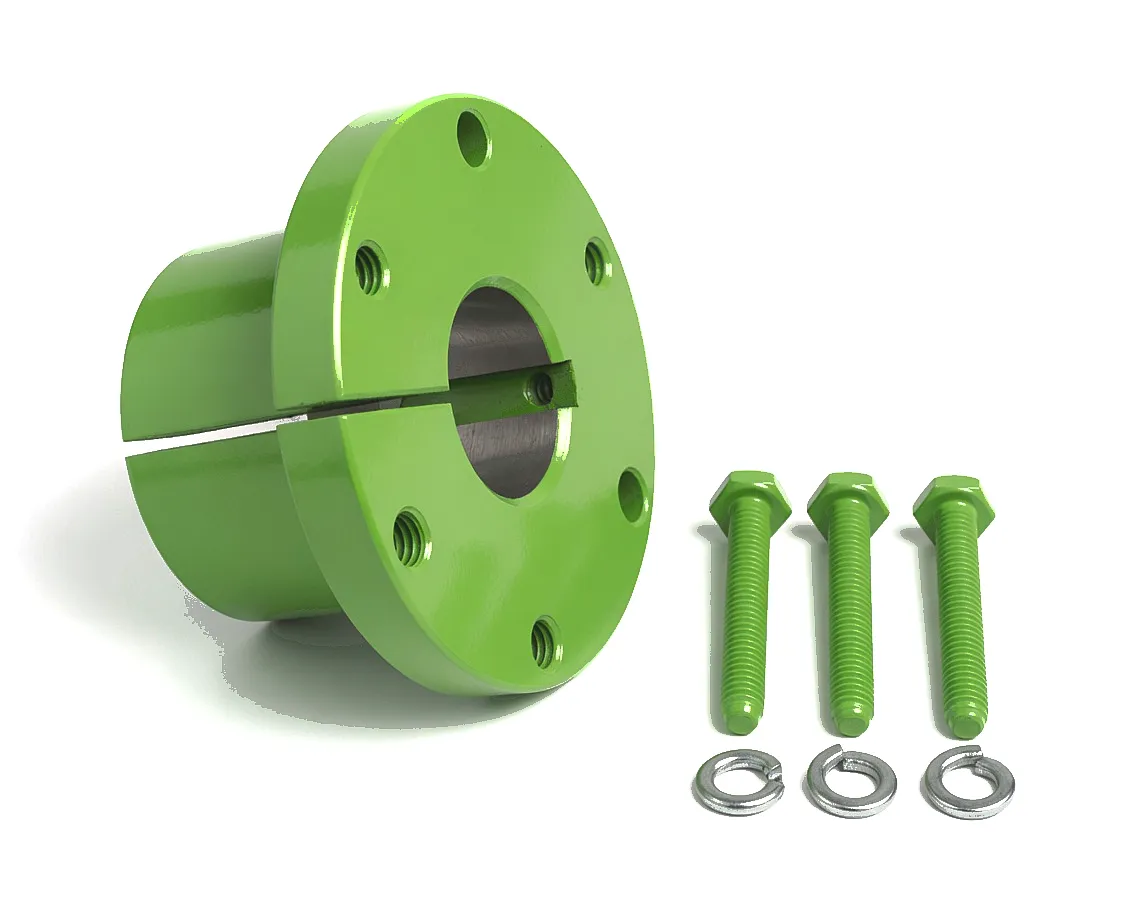 Beyond the punishing demands of mechanical linkage style curing presses, superior power transmission hardware provides immense value across the entire spectrum of rubber and tire manufacturing processes. The intense mixing capabilities required within massive Banbury internal mixers rely heavily on highly secure drive connections to churn dense, high-viscosity rubber compounds. Heavy duty extrusion machinery forcing complex continuous tread profiles through heated steel dies utilizes identical locking mechanics to prevent catastrophic slippage on primary planetary gearboxes. Furthermore, the extensive network of heavy transport conveyors moving thousands of uncured green tires daily across expansive UK factory complexes requires totally dependable pulley mounting solutions. Any mechanical failure in these interconnected automated handling systems causes disastrous production bottlenecks. Deploying uniform, high-quality QD bushings throughout the entire manufacturing facility vastly simplifies spare parts inventory management while ensuring rigorous mechanical reliability across completely different thermodynamic and kinetic machinery environments.
Global Manufacturing & Bespoke Customization Services
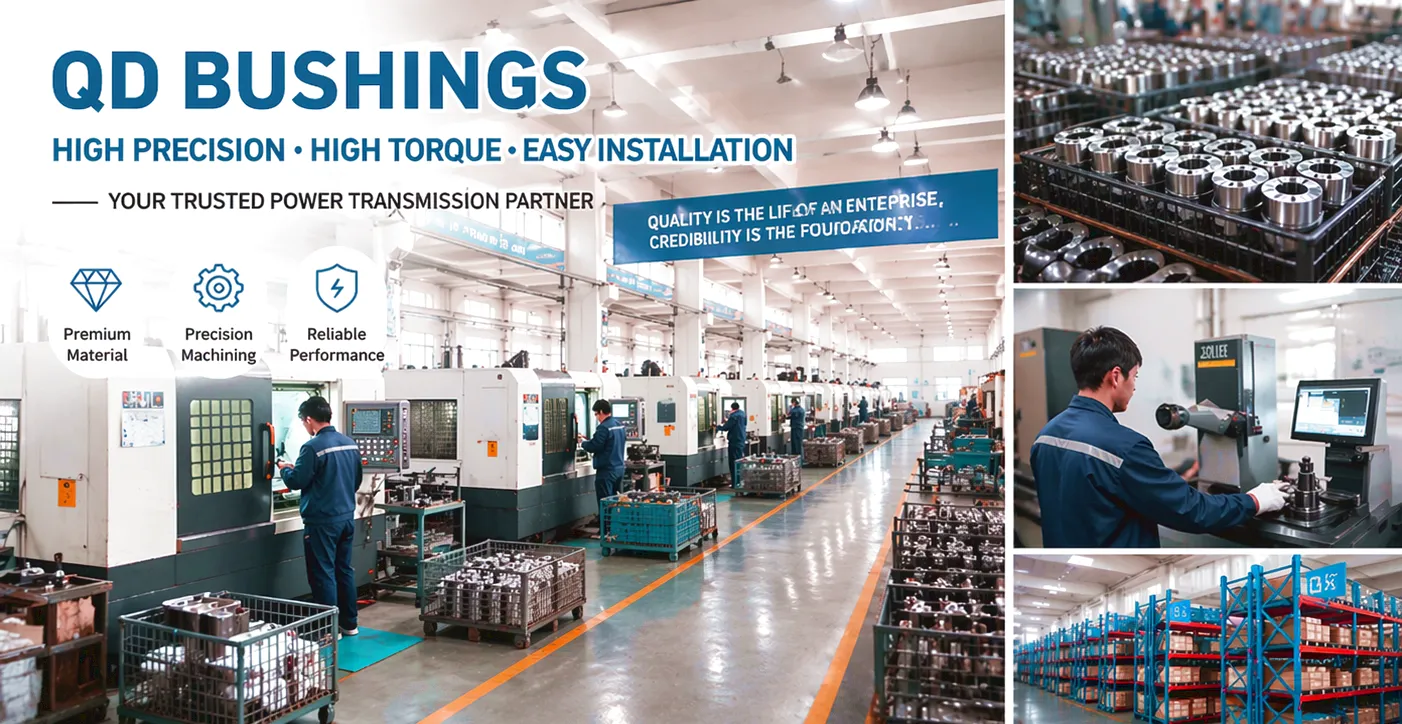
Standardized catalogs cannot always solve highly specialized engineering obstacles found within legacy industrial architecture or radical new machinery designs. Ever Power maintains world-class factory infrastructure dedicated to generating bespoke power transmission solutions tailored entirely to precise customer parameters. Our engineering teams collaborate actively with heavy industry operators to construct custom QD bushings featuring non-standard bore dimensions, specialized multi-keyway configurations, or exotic metallurgical blends explicitly formulated for extreme chemical washdown environments. Modern CNC turning and 5-axis milling centers guarantee rapid prototyping and high-volume production runs with zero deviation from initial CAD specifications. Empower your industrial manufacturing lines with structurally flawless connection hardware engineered to completely eradicate persistent mechanical downtime.
Technical Diagnostics & Operational FAQ
What exact price quote can a UK tire curing press factory expect for bulk custom QD bushings?
Accurate cost structures for bulk procurement depend entirely on specific internal bore dimensions, exact metallurgical composition requirements, and customized anti-corrosive coatings specified for your 45°C vulcanization environment. We strongly recommend contacting our technical sales engineers directly with your precise sprocket and shaft drawings to receive an optimized, highly competitive factory-direct quotation within twenty-four hours.
How do highly engineered QD bushings prevent catastrophic sheer failure during high torque mold opening cycles?
Standard keyways concentrate massive mechanical shear forces onto extremely small surface areas during the violent opening phase of a rubber mold. The sophisticated split taper mechanism inherent to QD components utilizes tremendous mechanical advantage to generate powerful 360-degree radial friction compression. This distributes the massive torque shockwaves evenly across the entire surface of the mechanical transmission shaft.
Where can heavy industrial manufacturing suppliers procure reliable replacements for highly corrosive rubber plant environments?
Industrial procurement managers across the UK frequently depend on our specialized direct-manufacturing channels. We deliver precision transmission components featuring custom surface protection explicitly engineered to aggressively repel sulfur clouds, hot steam, and extreme atmospheric degradation found exclusively within complex commercial tire vulcanization zones.
Which specific materials ensure longevity when heavy mechanical transmission parts operate constantly around forty degrees Celsius?
Thermal expansion presents a severe mechanical threat. Implementing high-tensile nodular cast iron or meticulously selected carbon steel ensures the mounting hardware matches the thermal expansion rates of the primary machine drives. This guarantees the vital compressive clamping grip remains entirely unaffected by continuous thermodynamic cycling inside the humid press environment.
When should a maintenance engineer consider replacing conventional straight bore sprockets with heavy duty taper locking systems?
Immediate engineering upgrades become absolutely necessary the moment factory maintenance teams detect microscopic shaft wallowing, notice recurring sheared keyways, or struggle to dismount oxidized components during scheduled mold replacements. Upgrading eliminates dangerous mechanical backlash, instantly restores precise displacement control, and exponentially decreases hazardous retooling delays during critical production runs.
Eliminate Mechanical Failures in Your Vulcanization Line Today
Upgrade your power transmission infrastructure with perfectly machined, corrosion-resistant engineering hardware. Connect with our technical experts to completely secure your high-torque applications.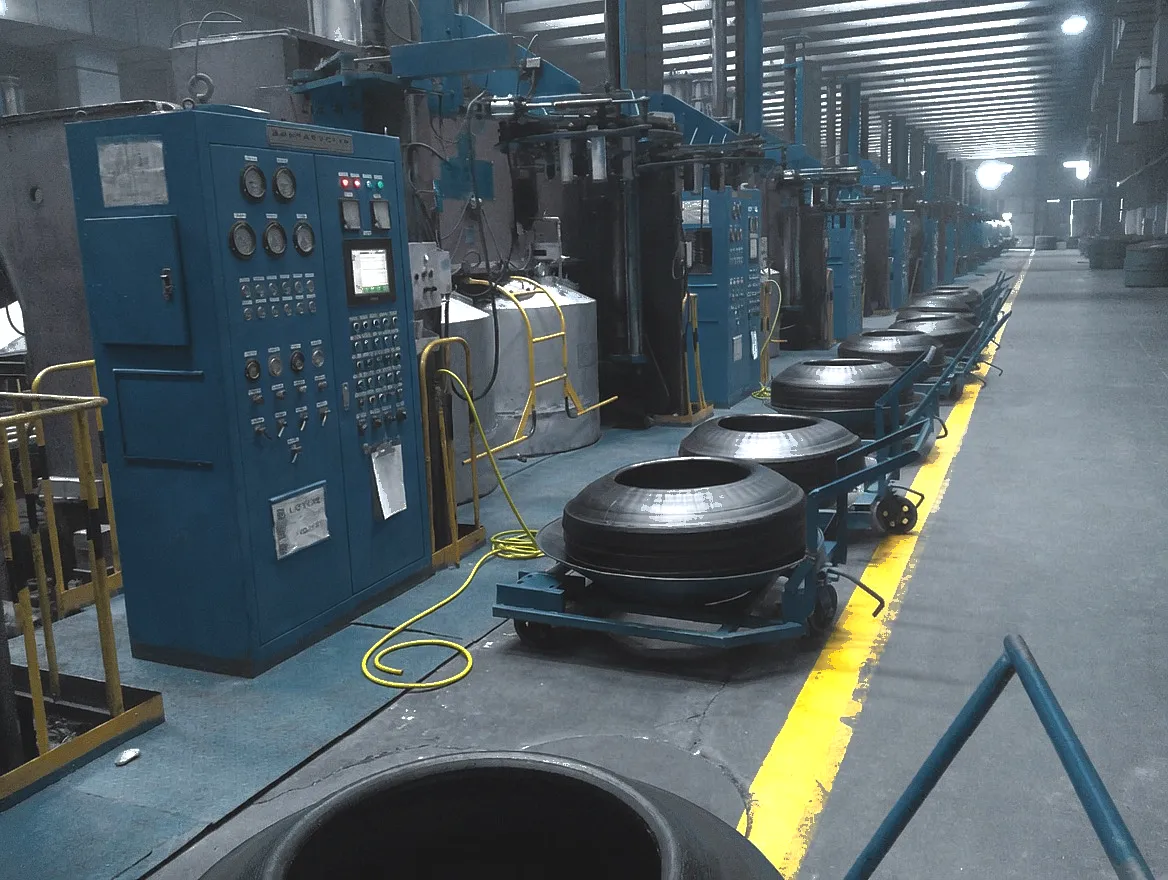
edit by gzl