
Product Description
Large Aluminum Alloy Precision Machine Machinery Processing CNC Machining Parts
About us
HangZhou CHINAMFG Hardware Machinery Co., Ltd.specializes in machining all sorts of high precision machinery components, precision CNC metal and non-metal machining parts with various surface treatments, which apply to packaging machines, printing machines, assembly machinery, electronic packing facilities, metal processing facilities, food machinery and pharmaceutical industry, etc. We have been in CNC precision machining industry for over 10 years. We can manufacture all kinds of high precision machine parts with good quality and favorable prices.
Features of CNC parts
1. Precision CNC parts strictly according to customers’ drawing,packing and quality request
2. Tolerance: Can be kept in +/-0.005mm
3. 100% inspection during production to ensure the quality
4. Experienced technology engineers and well trained workers
5. Fast and timely delivery. Speedy & professional service
6. Provide customer professional suggestion while in the process of customer designing to save cost.
7. Quality assurance in accordance with ISO9001
| Material | Stainless Steel | SS201,SS303,SS304,SS316,SS416,SS420,17-4PH,SUS440C |
| Steel | Q235,C20,C45(K1045),1214,1215 | |
| Brass | C36000(C26800),C37700(HPb59),C38500(HPb58),C27200(CuZn37),C28000(CuZn40/H62),C3604 | |
| Bronze | C51000, C52100, C54400,CuSn8 | |
| Aluminum | AL2571,AL5754(Almg3),AL5083,AL6061,AL6063,AL5052,AL7075 | |
| Alloy Steel | SCM435,10B21 | |
| Plastic | PA6,PA66,PP,PC,POM,FR4,ABS,Acrylic | |
| Others | According to customers’ requirements |
| Processing | CNC machining, CNC milling and turning, drilling, grinding, stamping, tapping,bending |
| Finish | Anodizing ,Heat treatment, polishing, powder coating, galvanized, electroplating, spraying, and painting |
| Dimensions | According to customer’s drawing |
| Tolerance | ±0.005mm |
| Drawing Format | PDF/JPEG/AI/PSD/CAD/Dwg/Step/LGS |
| MOQ | Negotiable |
| QC Policy | 100% inspection and random inspection before shipment, with QC passed label |
| Stardard | Materials and surface treatment comply with RoHS/Reach Directives |
| Processing Equipments | CNC machining center, CNC milling machine, Drilling machine,grinding machine, CNC machining Puncher, Milling machine,CNC wire-cut machine,Charmfering machine; |
| Testing Equipments | CMM, Projector, Pull Tester, Automatic Optical Inspector, Salt Spray Tester, Durometer, Tensile Machine Calipers, |
| Application | Automation machine, medical device, industrial machine, automobile, electric appliance, robot, computers, tele-communication,and other industries |
| Packaging | PE bags or bubble bags, boxes, cartons, pallet or as per customers’ requirements |
| Trade Terms | EXW, FOB, CIF, As per customers’ request |
| Payment Terms | Paypal or Western Union for sample orders; Larger amount by T/T with 30% as deposit,70% before shipment |
| Delivery Time | Within 15-20 working days after deposit or payment received |
| Shipping Ports | FOB HangZhou |
The company has set up a special technology research and development department, and has an experienced and innovative technology research and development team. Provide professional services such as drawings, design, production samples, assembly and debugging for all customers. What makes CHINAMFG different, Machining Company is Qida, the label of excellent quality and high efficiency. Over the years, we have introduced a lot of high-tech equipment, such as four-axis CNC machining centers, which allow us to manufacture complex micro-machine precision parts faster than ever before.
Testing Equipment
1. Are you a direct manufacturer?
Yes, we are direct manufacturer. We have been in this domain since 2008. And if you want, we could chatting with you on video via Wechat/ Whatsapp/Messenger and any way you like to show you our plant.
2. How can you guarantee quality?
Always a pre-production sample before mass production;Always final Inspection before shipment;ALWAYS full-inspection we have.
3. What kind of service/products you provide?
1. Service of ODM&OEM/one -stop service/assembly; From mold design, mold making, machining, fabrication, welding, surface treatment, assembly, packing to shipping.
2. Automotive parts, bicycle parts, motorcycle parts, scooter parts, racing parts, audio products, medical equipment parts, electronic instruments parts, kitchen and bathroom products and other hardware parts.
3. Iron/stainless steel/aluminum/titanium/brass/bronze/steel alloys/hardened parts/any kind of precision parts you need.
4. Automatic lathe turning parts, milling parts, bending parts, welding parts, stamping parts. All kinds of hardware could be customized here, your precious contact is much welcomed!
4. Why should we buy from you not from other suppliers?
(1). We have own plant and 80% of staff(especially the technical staff) in our company have experience for over 20 years.
(2). We provide a competitive price.
(3). High precision, tolerance can be within + 0.005
(4). 10 years’ fabrication experience.
(5). Small order also is welcomed. M100
(6). We can also provide one-stop service, including mold and assembly.
(7). All your information is confidential, and we can CHINAMFG NDA as well.
5. How can I close my deal with you?
This is easy. Firstly, contact our consultant. our consultant will response you within 10 minutes. Secondly, you can provide drawings and the specification about your custom products to us. Thirdly, confirm the contract and pay, and we will start production. we will choose the best mode of transportation for you.
6.Are you available for customized design drawings?
Yes, DWG, DXF, DXW, IGES, STEP, PDF etc.
7. What’s the MOQ?
In general 100pcs, but can accept low quantity in special conditions.
8.What’s the leading time?
It depends on quantity, generally 7-20 days after order confirmation.
9. Can we know the production process without visiting the factory?
We will offer detailed production schedule and send weekly reports with digital pictures and videos which show the machining progress.
| After-sales Service: | 1-3 |
|---|---|
| Warranty: | 1-3 |
| Condition: | New |
| Certification: | ISO9001 |
| Standard: | DIN, Gsg |
| Customized: | Customized |
| Samples: |
US$ 12/Piece
1 Piece(Min.Order) | |
|---|
| Customization: |
Available
| Customized Request |
|---|
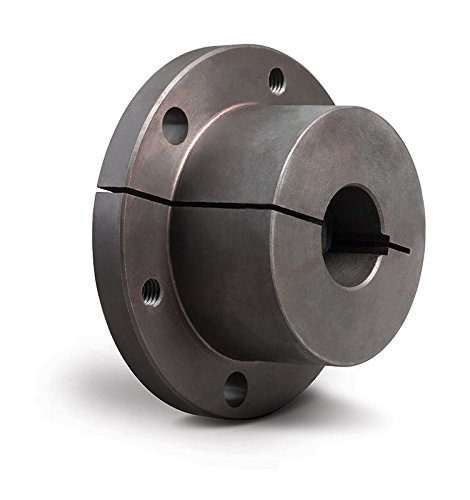
Can I find guides on troubleshooting common issues with QD bushings and their solutions?
If you encounter common issues with QD (Quick Disconnect) bushings and need guidance on troubleshooting and finding solutions, there are resources available to assist you. Here are some places where you can find guides on troubleshooting common issues with QD bushings:
- Manufacturer Documentation and Websites: QD bushing manufacturers often provide documentation, user manuals, and technical resources on their websites. These resources may include troubleshooting guides that address common issues encountered with their specific QD bushing models. By visiting the manufacturer’s website or contacting their customer support, you can access valuable information and guidance on troubleshooting problems and finding appropriate solutions.
- Online Forums and Communities: Online forums and communities focused on mechanical systems, power transmission, or industrial equipment can be excellent sources of information and troubleshooting advice. Platforms such as Stack Exchange, Reddit, and specialized forums dedicated to engineering or mechanical maintenance often have knowledgeable members who can provide insights and solutions to common QD bushing issues. Posting specific questions or searching within these forums can help you find relevant discussions and troubleshooting tips.
- Technical Publications and Journals: Technical publications and journals related to mechanical engineering, power transmission, or industrial maintenance may contain articles or case studies that discuss troubleshooting common issues with QD bushings. These publications often provide in-depth analysis, practical recommendations, and real-world examples. Accessing online databases like IEEE Xplore, ResearchGate, or Google Scholar can help you find relevant publications on QD bushing troubleshooting.
- Online Resources and Blogs: Several websites and blogs dedicated to mechanical engineering, maintenance, or power transmission topics offer informative articles and guides on troubleshooting various industrial components. These resources may include specific sections or articles on QD bushings, addressing common issues and suggesting solutions. Websites like Machinery Lubrication, Reliable Plant, or Maintenance Technology can be valuable sources of troubleshooting information.
- Training Courses and Workshops: Some organizations and institutions offer training courses or workshops on power transmission systems, including QD bushings. These courses often cover troubleshooting techniques and provide hands-on experience in identifying and resolving common issues. Checking with local technical schools, industry associations, or professional training organizations can help you find relevant courses or workshops in your area.
It’s important to note that troubleshooting QD bushing issues should be approached with caution and, if needed, performed by trained personnel familiar with the equipment and safety procedures. If you’re unsure or dealing with complex problems, consulting with a qualified engineer or contacting the manufacturer’s technical support is recommended.
By utilizing these resources and seeking expert advice when necessary, you can find valuable guides and solutions to troubleshoot common issues with QD bushings, ensuring their proper operation and minimizing downtime in your mechanical systems.
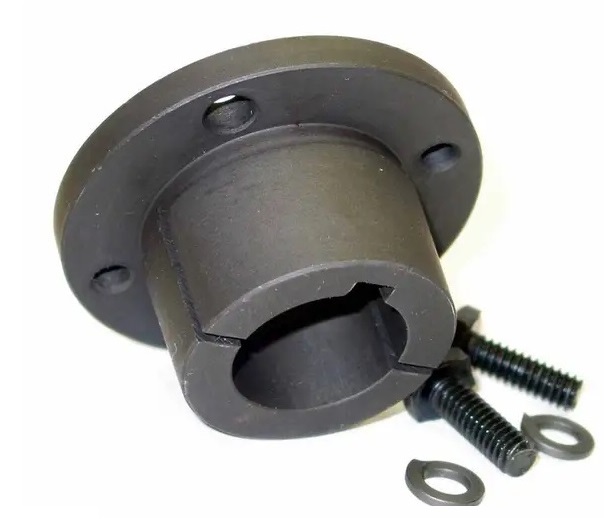
Can I get recommendations for QD bushings with corrosion-resistant properties for outdoor applications?
When it comes to outdoor applications where corrosion resistance is a concern, there are several QD (Quick Disconnect) bushing options available that offer enhanced protection against corrosion. Here are some recommendations for QD bushings with corrosion-resistant properties suitable for outdoor applications:
- Stainless Steel QD Bushings: Stainless steel QD bushings are highly recommended for outdoor applications due to their excellent corrosion resistance. They are resistant to rust and can withstand exposure to moisture, humidity, and various weather conditions. Stainless steel QD bushings are available in different grades, such as 304 and 316 stainless steel, each offering varying levels of corrosion resistance. These bushings are commonly used in outdoor equipment, such as agricultural machinery, construction equipment, and outdoor conveyors.
- Plated or Coated QD Bushings: Some QD bushings are coated or plated with corrosion-resistant materials to enhance their durability in outdoor environments. Common coatings include zinc plating, nickel plating, or epoxy coatings. These coatings provide a protective barrier against moisture, chemicals, and atmospheric conditions, reducing the risk of corrosion. Plated or coated QD bushings are suitable for a wide range of outdoor applications where moderate corrosion resistance is required.
- Polymer or Composite QD Bushings: Certain QD bushings are constructed using polymer or composite materials known for their inherent corrosion resistance. Materials such as nylon, reinforced polymers, or composite alloys can provide excellent resistance to moisture, chemicals, and UV exposure. Polymer or composite QD bushings are lightweight, non-conductive, and often self-lubricating, making them suitable for outdoor applications where corrosion resistance, low friction, and electrical insulation are essential.
- Aluminum QD Bushings: While aluminum is not as corrosion-resistant as stainless steel, it can still provide satisfactory performance in certain outdoor applications. Aluminum QD bushings are lightweight, have good mechanical strength, and offer moderate resistance to corrosion. They are commonly used in equipment and machinery where weight reduction is a priority, such as outdoor recreational vehicles, lawn and garden equipment, or portable machinery.
When selecting QD bushings with corrosion-resistant properties for outdoor applications, it is important to consider the specific environmental conditions, exposure to chemicals, temperature variations, and the severity of corrosion factors. Consulting with QD bushing manufacturers or industry experts can provide valuable insights and recommendations based on their knowledge and experience.
Lastly, regardless of the corrosion-resistant properties of the QD bushings, it is important to follow proper maintenance practices and regularly inspect and clean the bushings to ensure their long-term performance and effectiveness in outdoor environments.
By choosing QD bushings with corrosion-resistant properties appropriate for outdoor applications, you can enhance the durability and reliability of your equipment, reducing the risk of premature failure and minimizing maintenance requirements.
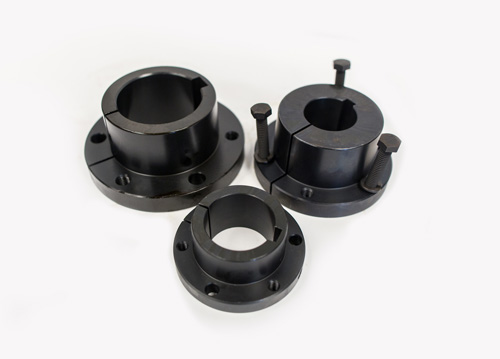
Can I get step-by-step instructions on installing QD bushings for different mechanical setups?
While I can provide a general overview of the installation process for QD bushings, it’s important to note that the specific installation steps can vary depending on the mechanical setup and the manufacturer’s guidelines. It is recommended to consult the manufacturer’s instructions and specifications for the specific QD bushing you are using. However, here is a general outline of the steps involved in installing QD bushings:
- Gather the necessary tools and equipment: Before you begin the installation process, ensure you have the required tools and equipment on hand. This may include wrenches, torque wrenches, a mallet or hammer, and any additional components or accessories specified by the manufacturer.
- Prepare the shaft and the mounting component: Clean the shaft and the inner bore of the mounting component to remove any dirt, debris, or old lubricants. Ensure that the shaft surface is smooth and free from any damage or burrs that could interfere with the installation process.
- Inspect the QD bushing: Before installing the QD bushing, inspect it for any visible damage or defects. Ensure that the tapered surfaces and the flange are clean and free from any debris that could affect the installation or the connection with the shaft and the mounting component.
- Position the QD bushing: Place the QD bushing over the shaft, ensuring that it aligns properly with the desired location on the shaft. The flange of the bushing should be facing the mounting component.
- Engage the QD bushing: Apply even pressure to the outer surface of the QD bushing to initiate the engagement. This can be done using a mallet or hammer. Ensure that the bushing is centered and properly seated on the shaft. Avoid applying excessive force that could damage the bushing or the shaft.
- Tighten the QD bushing: Using the specified torque value provided by the manufacturer, tighten the QD bushing by turning the tightening screws or bolts evenly. Follow the recommended tightening sequence provided by the manufacturer to ensure an even and secure connection. Be careful not to over-tighten the bushing, as this can cause damage.
- Verify the installation: After tightening the QD bushing, inspect the connection to ensure that it is secure and properly aligned. Check for any axial movement or play between the bushing, shaft, and mounting component. Verify that the mounted component is positioned correctly and securely fastened to the bushing.
- Complete the installation: Once you have verified the installation, proceed with any additional steps required for your specific mechanical setup. This may involve attaching other components, aligning belts or chains, or performing any necessary adjustments or calibrations.
It’s important to note that the above steps are a general guide and may not cover all possible scenarios or variations. Always refer to the manufacturer’s instructions and guidelines specific to the QD bushing you are using. Following the manufacturer’s recommendations will ensure proper installation and optimal performance of the QD bushing in your mechanical setup.


editor by CX 2023-11-17