
Industrial Transmission Solutions • UK Manufacturing
Optimising Tyre Curing Presses with High-Performance QD Bushings in the UK Rubber Sector
Engineered for 35-45°C ambient temperatures, vulcanisation steam environments, and extreme heavy intermittent torque loads.
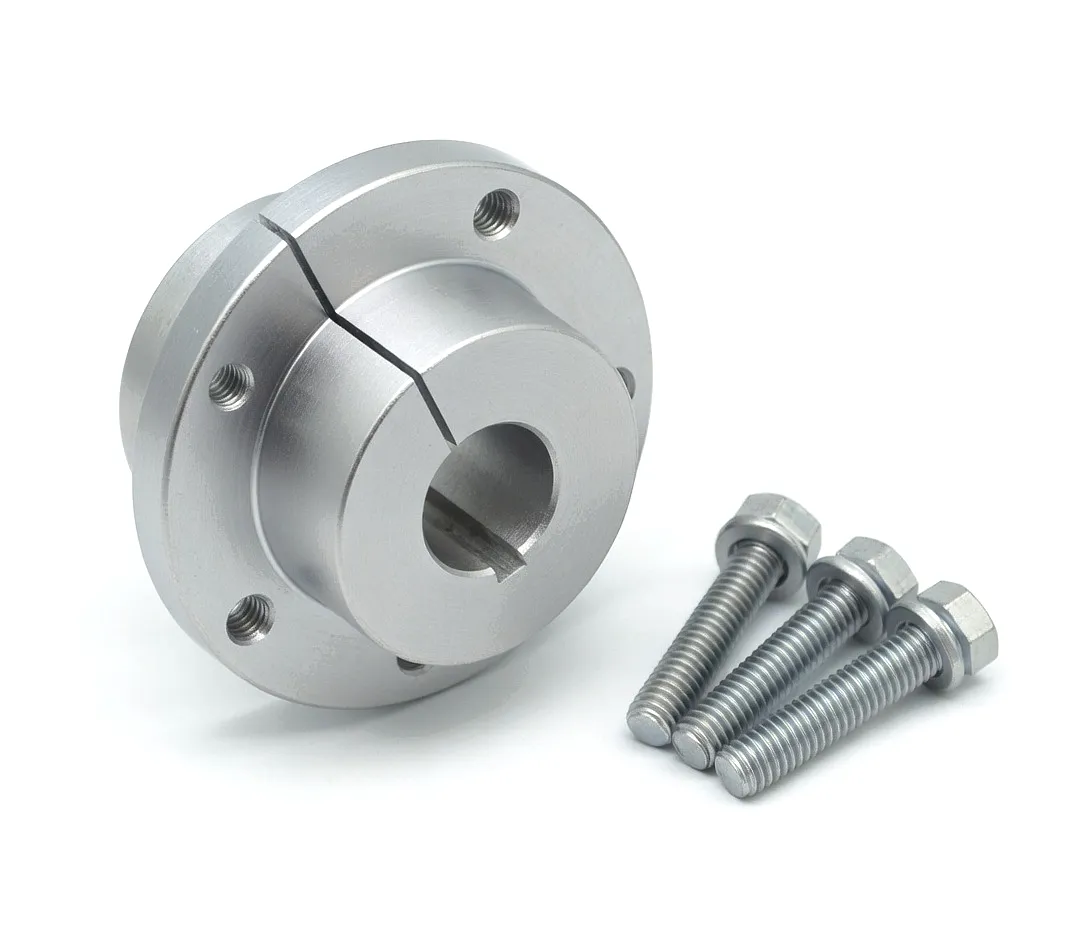 The tyre vulcanisation process represents the most critical and demanding stage in modern tyre manufacturing, transforming pliable raw rubber compounds into durable, road-ready products through the precise application of intense heat and mechanical pressure. At the heart of this operation lies the mechanical linkage tyre curing press, a massive industrial machine whose operational efficiency dictates the entire facility’s throughput. Within these mechanical linkage systems, the power transmission from the drive motor to the immense mould opening and closing mechanisms relies heavily on the structural integrity of the crankshaft and the transmission chain sprocket connections. This is precisely where the implementation of premium QD bushings becomes a non-negotiable engineering standard.
Operating continuously in environments where ambient temperatures hover persistently between 35°C and 45°C, tyre curing presses impose severe stress on every moving component. A standard tyre curing cycle demands a pressing duration of 8 to 15 minutes, translating to the massive machine opening and closing 4 to 7 times every single hour. Each of these mechanical movements generates a colossal, intermittent torque shock load that travels directly through the drive components. Standard mounting hubs frequently suffer from fretting corrosion, slippage, or catastrophic material fatigue under such relentless mechanical trauma. QD bushings, designed with a distinct flanged, split-taper mechanism, provide an immense clamping force on the shaft, effectively acting as a cold-weld connection that comprehensively absorbs and distributes these massive shock loads. By integrating specialised QD bushings into the crankshaft assemblies, UK tyre manufacturing facilities can drastically mitigate the risk of drive chain failures, ensure precise displacement control for the mould mechanisms, and maintain the exact application of pressure required for flawless tyre vulcanisation.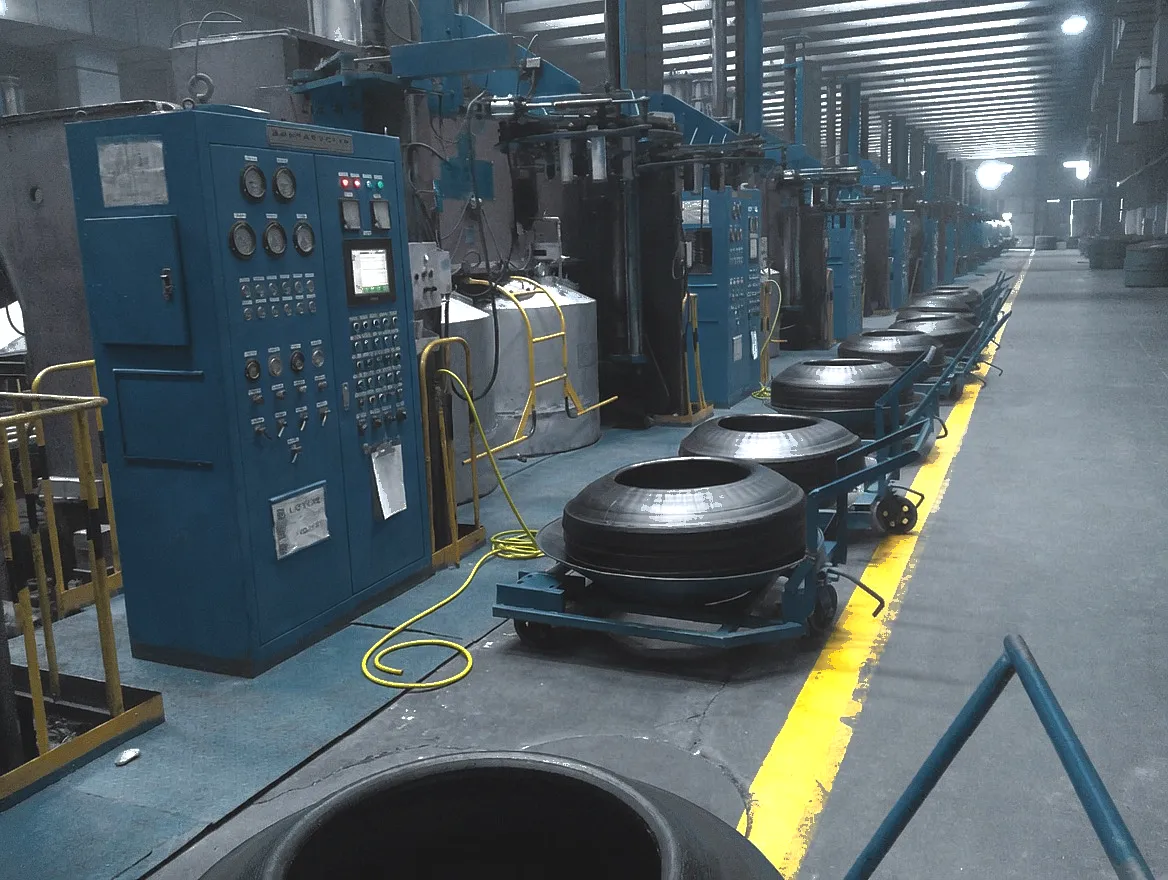
Technical Specifications: QD Bushings for Curing Presses
| Parameter | Specification / Rating | Application Relevance (Tyre Manufacturing) |
|---|---|---|
| Torque Transmission Capacity | Ultra-High (Intermittent Shock Rated) | Handles 4-7 heavy mould opening/closing cycles per hour without shaft slippage. |
| Ambient Temperature Resilience | Continuous operation up to 80°C | Far exceeds the typical 35-45°C curing press workshop environment. |
| Chemical & Corrosion Resistance | Industrial Phosphated / Custom Alloy Coating | Resists degradation from vulcanisation steam and airborne rubber volatile compounds. |
| Vibration Dampening | Excellent (Split-Taper Compression) | Protects the mechanical linkage and crankshaft from cyclical metal fatigue. |
Core Advantages of QD Bushings in Heavy Machinery
Exceptional Shock Load Absorption
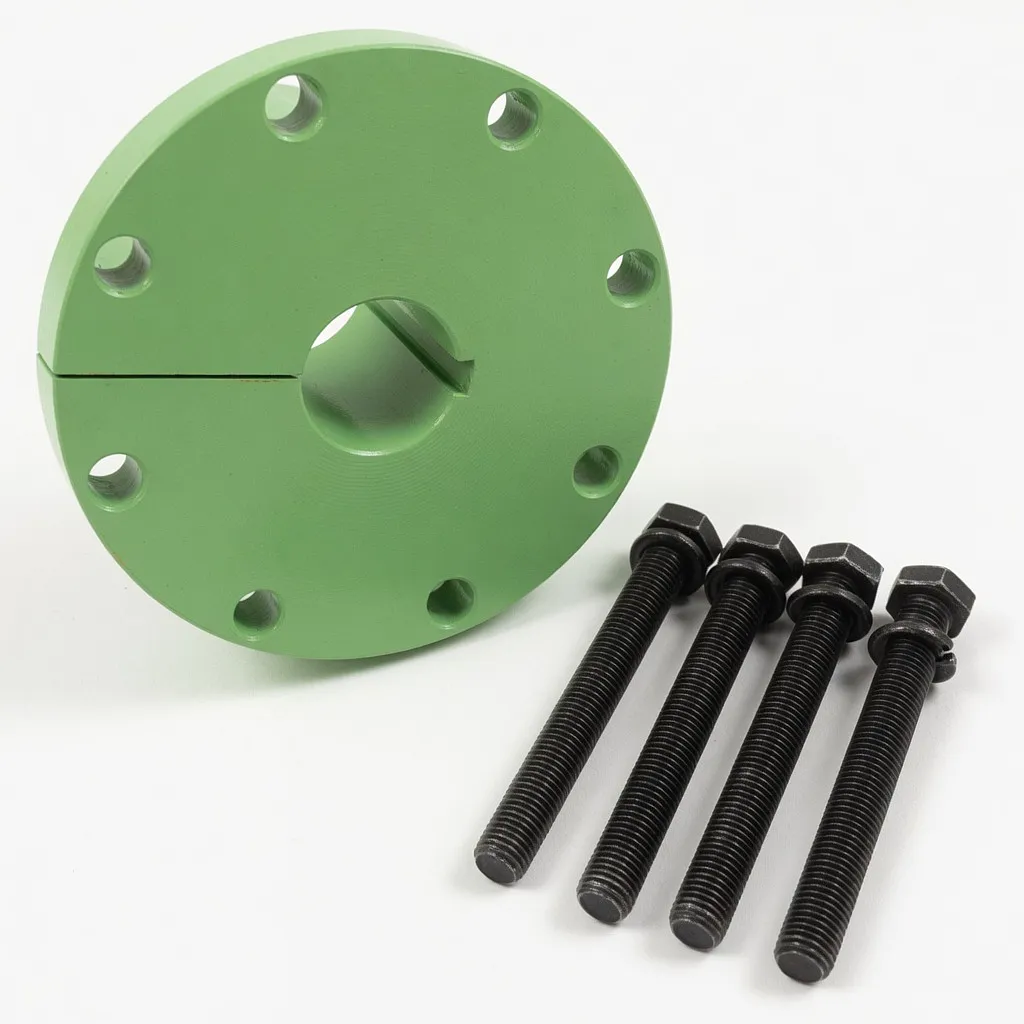 The fundamental architecture of a mechanical linkage tyre curing press demands power transmission components capable of surviving brutal, repetitive shock loads. Every 8 to 15 minutes, as the massive moulds are forced open to release a cured tyre and sealed shut to vulcanise a new one, a tremendous spike in mechanical torque is generated across the drive system. Traditional keyed shafts often develop play over time, leading to destructive backlash that can shatter sprockets or twist crankshafts. QD bushings eliminate this vulnerability entirely through their engineered taper design. As the cap screws are tightened during installation, the split barrel of the QD bushing compresses uniformly around the shaft, generating an immense friction fit that supplements the traditional keyway. This dual-action locking mechanism ensures that the intense, intermittent torque from the 4 to 7 hourly opening and closing cycles is seamlessly transmitted without micro-movements. Consequently, the lifespan of the entire transmission chain is significantly extended, reducing catastrophic failures in high-volume UK rubber manufacturing plants.
Superior Environmental Resilience
Tyre manufacturing environments are notoriously hostile to exposed mechanical components. In a typical tyre curing workshop, ambient temperatures are persistently elevated, remaining constantly between 35°C and 45°C due to the vast amounts of thermal energy required for vulcanisation. Beyond the heat, the atmosphere is densely populated with aggressive vulcanisation steam and a complex array of rubber volatile compounds that continuously settle on machinery. Standard metallic components rapidly succumb to oxidation and chemical pitting under these conditions, making future maintenance a nightmare as parts fuse together through rust. High-grade QD bushings deployed in these scenarios are treated with advanced industrial coatings and manufactured from specifically alloyed steel that provides formidable resistance against such corrosive atmospheres. The precisely engineered taper not only locks the sprocket to the shaft but seals the mating surfaces tightly, preventing highly corrosive steam and airborne chemicals from penetrating the crucial connection point. This environmental resilience ensures that the drive components remain fully functional and structural integrity is uncompromised throughout years of relentless production.
Precision Alignment and Mould Control
The quality of a finished tyre is directly proportional to the precision of the curing press. The mechanical linkage must control the displacement of the massive steel moulds down to fractions of a millimetre, ensuring the uniform application of pressure across the entire surface of the raw rubber tread and sidewalls. Any lateral runout or concentricity deviation in the drive sprockets can translate into uneven mould closing, resulting in defective tyres with unbalanced tread patterns or compromised structural beads. QD bushings are machined to incredibly tight tolerances, offering concentricity levels that traditional bored-to-size components simply cannot match. When the QD bushing is drawn into the tapered bore of the sprocket hub, it automatically centres the component on the shaft with absolute precision. This self-centring capability guarantees that the heavy transmission chain runs perfectly true, translating the motor’s rotational energy into exact, repeatable displacement of the mould opening and closing mechanisms, thereby elevating the overall quality control standards for demanding UK tyre brands.
Streamlined Maintenance Procedures
In the highly competitive UK rubber manufacturing industry, machine downtime is an exceptionally costly metric. When maintenance is required on the transmission chain or crankshaft of a curing press, hours spent struggling to remove a seized sprocket can result in immense production bottlenecks. The ingenious design of QD bushings fundamentally transforms these intensive maintenance procedures. Featuring integrated extraction holes, technicians can easily remove the cap screws from the mounting holes and insert them into the threaded extraction holes. As these screws are tightened, they act as mechanical jacks, forcing the tapered barrel out of the sprocket hub and breaking the immense friction grip instantly. This simple yet highly effective mechanism allows for the rapid dismounting of large, heavy drive components without the need for dangerous blowtorches, massive hydraulic pullers, or destructive force. By adopting QD bushings, maintenance teams can execute routine sprocket replacements or shaft inspections swiftly, ensuring the curing press returns to operational status with minimal disruption to the 24/7 manufacturing schedule.
Engineering Principles & Material Science
Dynamic Load Distribution
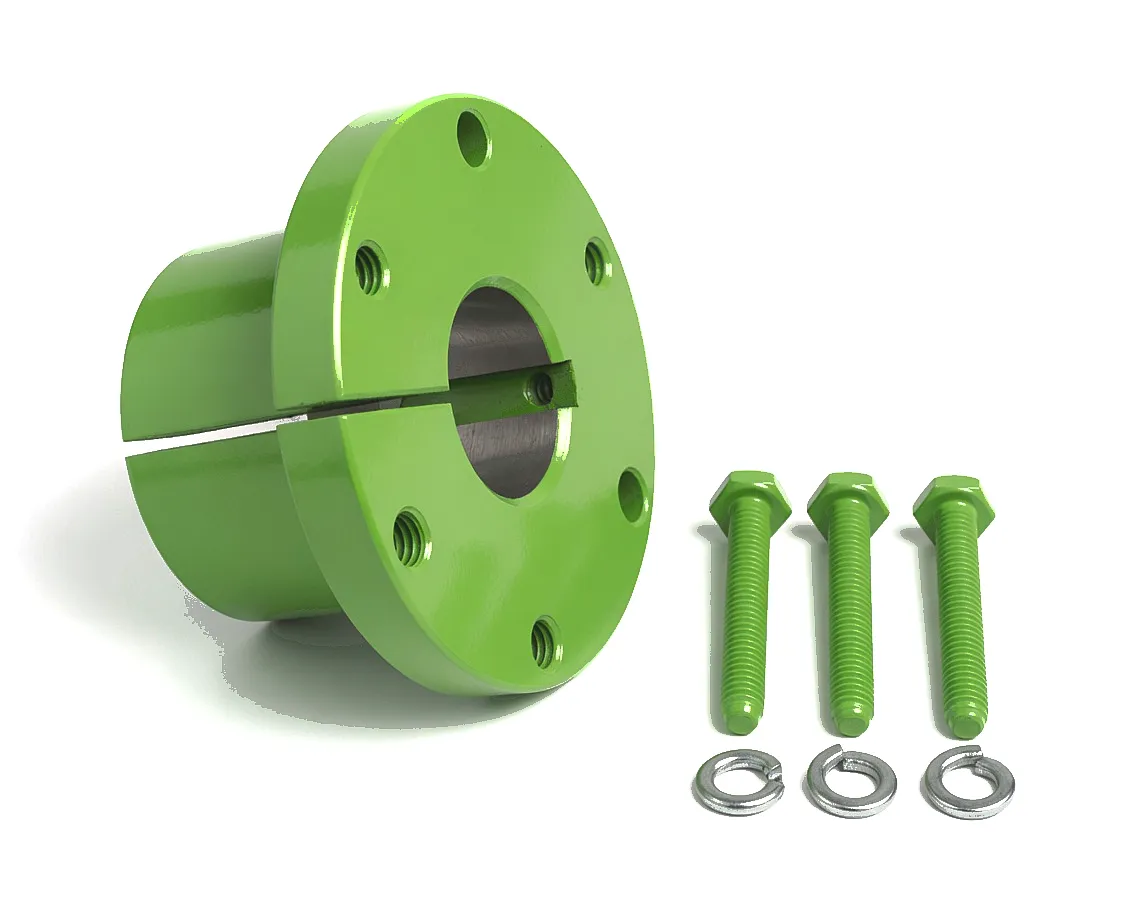 Understanding the dynamics of power transmission within a tyre curing press reveals why standard connections fail. A mechanical linkage press uses a massive motor connected via heavy chains to a large sprocket mounted on a crankshaft. When the command to close the mould is initiated, the motor ramps up torque to overcome the inertia of the heavy steel mould elements. The full brunt of this rotational force is concentrated exactly where the shaft meets the sprocket hub. Traditional parallel-bore hubs rely entirely on the shear strength of a single steel key to transfer this torque. Over the course of thousands of 8-15 minute pressing cycles, microscopic deformations occur, leading to keyway wallowing. QD bushings distribute this immense mechanical stress across the entire circumference of the shaft. The split taper allows the bushing to wrap completely around the shaft, creating a 360-degree frictional grip that carries the majority of the torque load, leaving the keyway to act merely as a secondary alignment guide and safety failsafe.
Metallurgy for Extreme Environments
The metallurgical composition of the QD bushings utilised in rubber manufacturing facilities must account for extreme thermal and chemical degradation. While the ambient factory temperature holds steady at 35~45℃, the actual radiant heat near the steam-heated moulds can be significantly higher. High-quality QD bushings are forged from premium ductile iron or high-tensile carbon steel alloys that exhibit minimal thermal expansion, ensuring the crucial interference fit does not loosen as the machine heats up during long production shifts. Furthermore, the persistent presence of vaporised sulphur, anti-tack agents, and escaping vulcanisation steam creates an acidic micro-environment capable of rapidly rusting unprotected steel. To combat this, the bushings undergo intensive surface treatments, typically heavy phosphate coating or advanced black oxide processes. This treatment penetrates the microscopic pores of the metal, forming a robust chemical barrier that drastically reduces oxidation rates, ensuring the component remains structurally sound and easily removable even after years of service in the harshest UK rubber plant conditions.
Ever Power Custom Manufacturing Solutions
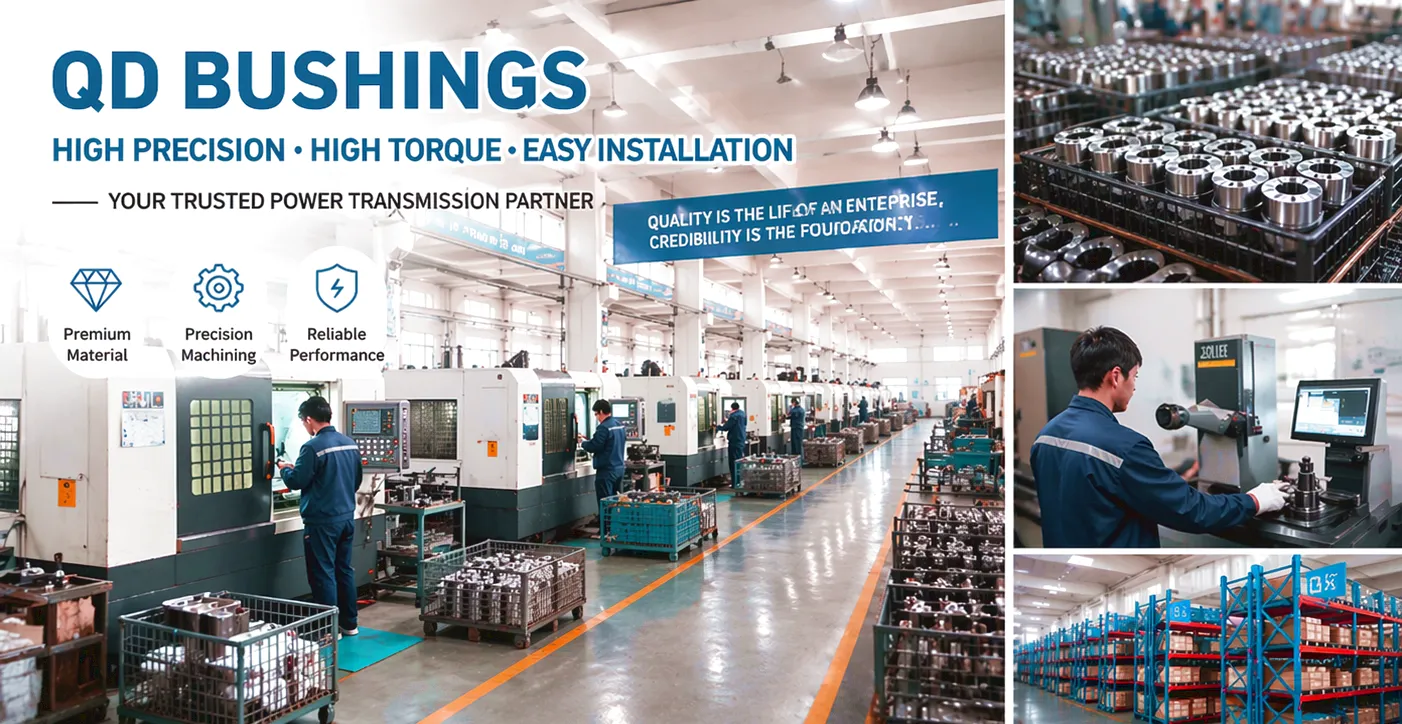
Recognising that industrial tyre curing presses vary significantly in size, tonnage, and drive specifications across different manufacturing plants, standard off-the-shelf components frequently fall short of specific operational demands. Ever Power excels in delivering comprehensive custom manufacturing services specifically tailored to the rigorous requirements of the heavy rubber manufacturing sector. Utilising advanced CAD/CAM technologies and precision CNC machining centres, Ever Power engineering teams can design and fabricate bespoke QD bushings engineered to exact customer specifications. Whether a facility requires non-standard bore dimensions, specific heavy-duty alloy compositions to combat aggressive chemical environments, or specialised anti-corrosion surface treatments, Ever Power possesses the total supply chain capability to execute rapid prototyping and high-volume production runs. This dedication to custom engineering ensures that UK industrial clients receive power transmission components that perfectly integrate with their existing mechanical linkages, guaranteeing enhanced machine longevity, minimised maintenance downtime, and unparalleled operational reliability in demanding 35-45°C ambient production environments.
Client Success Stories: UK Industrial Applications
Commercial Tyre Plant – Birmingham, UK
“Operating a 24-hour manufacturing facility means our curing presses are subjected to relentless abuse. We were previously dealing with major mechanical linkage failures every few months because the sheer torque of the mould closing cycle was destroying the keyways on our primary drive shafts. The environment inside the plant is tough—constant 40°C heat and steam everywhere. Integrating premium QD bushings completely transformed our maintenance cycles. The clamping force is phenomenal; we haven’t experienced a single shaft slippage event since the retrofit. The anti-corrosion coating has also made routine inspections incredibly fast, as components no longer fuse together.”
Heavy Machinery Maintenance Firm – Manchester, UK
“As engineering contractors specialising in rubber factory overhauls, extracting old, rusted sprockets from massive curing presses used to be our most dangerous and time-consuming task. The chemical atmosphere from rubber vulcanisation degrades steel components aggressively. Sourcing precision-engineered QD bushings for our clients has allowed us to cut press downtime by over 40%. The built-in extraction holes are an absolute lifesaver in tight, high-heat spaces. We confidently install these hubs on the heaviest crankshafts knowing they will handle the intense, intermittent shock loads perfectly without compromising the mechanical integrity of the drive system.”
Specialist Rubber Extrusion Company – Leeds, UK
“Precision is everything when operating linkage-style curing presses. A fraction of a millimetre of runout on the drive sprocket translates to uneven pressure on the moulds, resulting in scrapped product. We partnered with Ever Power to custom-manufacture heavy-duty QD bushings tailored specifically to our non-standard European equipment. The concentricity of these components is exceptionally precise. They self-centre beautifully on the shaft, providing the exact displacement control we require for our high-end automotive products. Their bespoke service matching our exact specifications has secured our supply chain comprehensively.”
Frequently Asked Questions (Industrial Servicing)
How much does a custom heavy duty QD bushing cost for a tyre curing press in the UK?
The price of custom QD bushings for industrial tyre curing presses in Great Britain varies widely, typically ranging from £50 to over £300 per unit, heavily dependent on the specific alloy grade, bore dimensions, required anti-corrosion treatments, and total production volume. Because machinery like linkage curing presses demands precise torque handling capabilities to endure 4-7 cycles per hour without catastrophic shaft failure, investing in highly engineered, precision-machined bespoke components provides massive long-term savings by significantly reducing factory downtime and expensive emergency maintenance calls.
What is the best QD bushing supplier for heavy mechanical rubber manufacturing equipment near me?
When searching for a highly reliable QD bushing supplier capable of serving heavy mechanical rubber manufacturing facilities throughout the United Kingdom, engineers consistently prioritise manufacturers demonstrating extensive custom fabrication capabilities and a deep understanding of metallurgy. Ever Power stands out as an exceptional supplier, offering rapid production of tailor-made mechanical transmission components engineered precisely to withstand the extreme 35-45°C ambient heat, vulcanisation steam corrosion, and severe intermittent shock loads characteristic of commercial tyre curing environments.
Where can I get a quick quote for corrosion-resistant QD bushings in Great Britain?
Procuring a rapid, highly accurate commercial quote for specialised, corrosion-resistant QD bushings tailored for the British industrial manufacturing sector is incredibly straightforward. Factory managers, procurement officers, and senior application engineers can directly email detailed technical specifications, CAD drawings, or operational requirements to [email protected]. Our dedicated engineering team rapidly assesses the mechanical parameters, extreme torque demands, and chemical resistance necessities to provide a comprehensive, competitive pricing structure and estimated manufacturing timeline.
Upgrade Your Tyre Curing Press Reliability Today
Eliminate costly mechanical breakdowns and ensure flawless mould displacement with precision-engineered transmission components tailored to exact UK factory standards.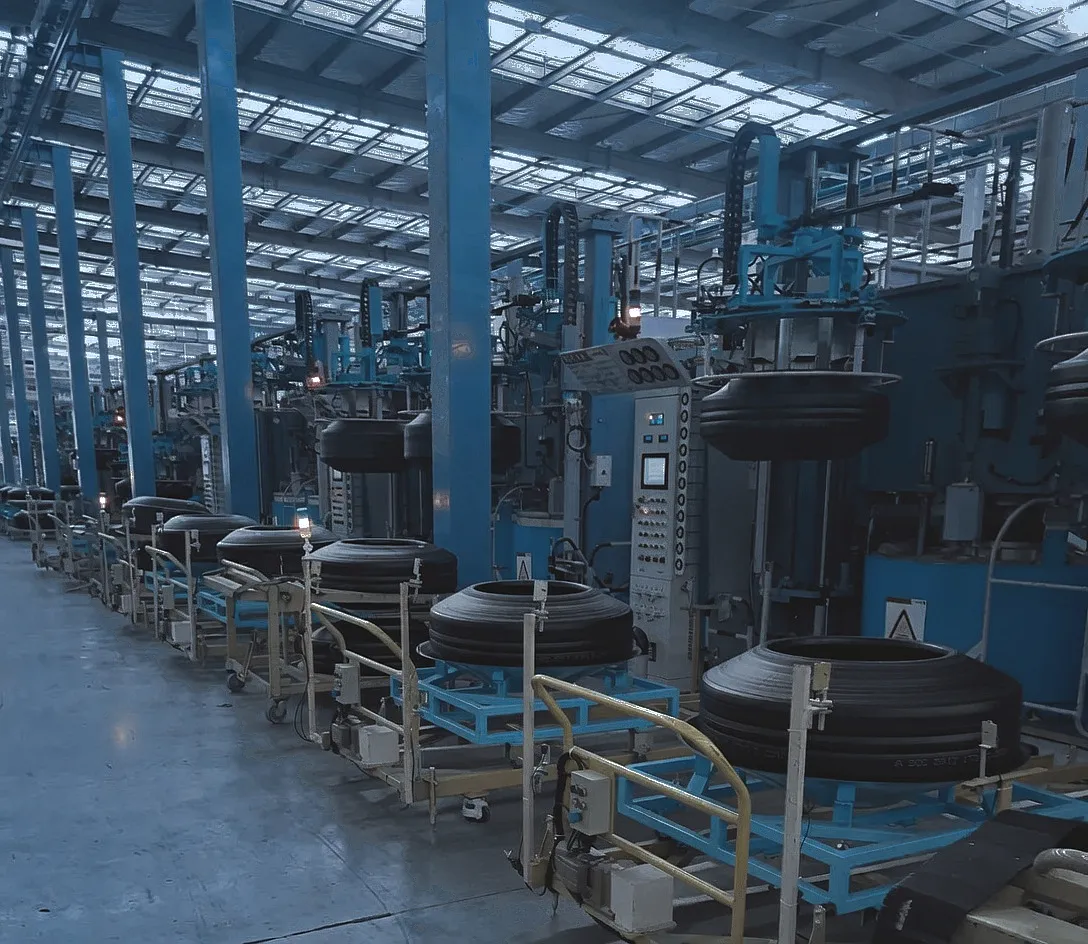
edit by gzl