
Agricultural Machinery › Drive Components
QD Bushings for Combine Harvester Threshing Drums: The Drive Solution Trusted by UK Agricultural Engineers
Precision-engineered QD bushing assemblies for threshing drums, cleaning sieves, and grain conveyors — built to survive the UK’s demanding harvest seasons without failure.
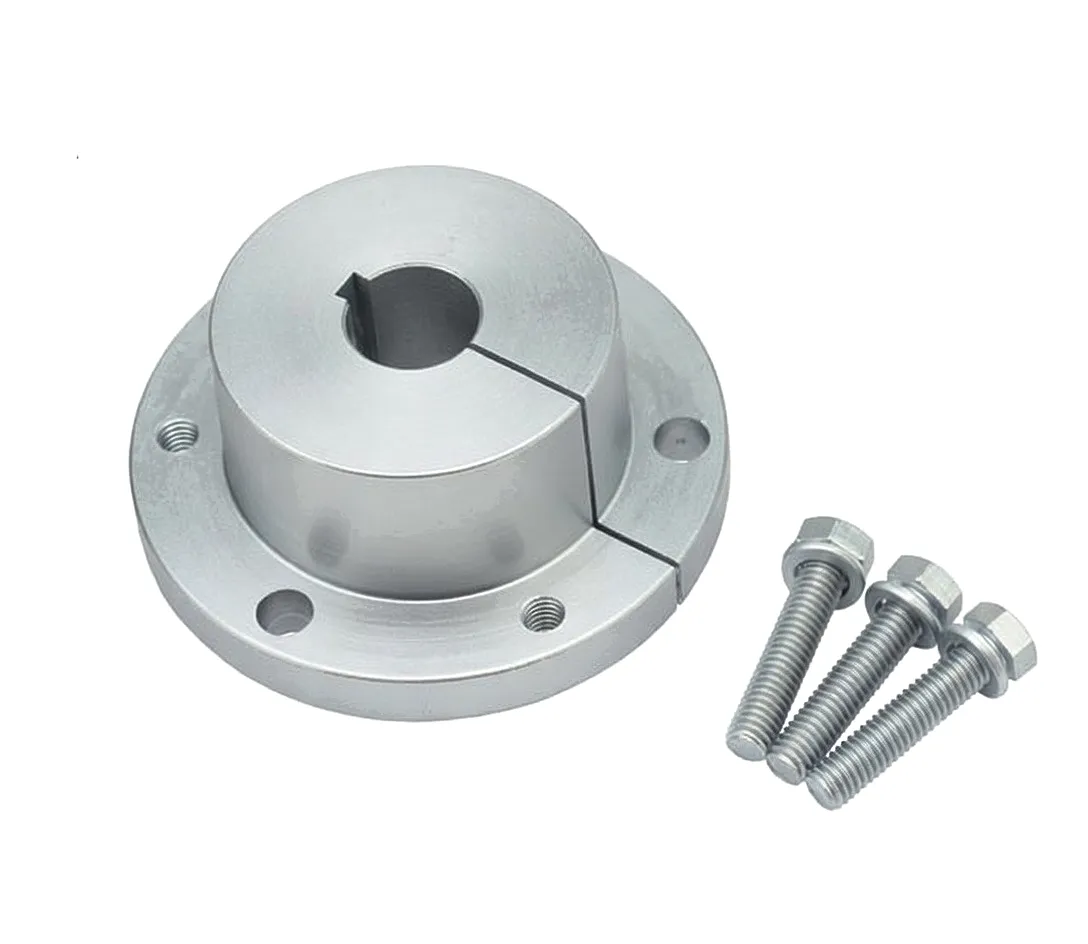 Walk into any large arable farm in Lincolnshire, Yorkshire, or the East Midlands during August and the same scene plays out: combine harvesters running flat out from dawn to dusk, pushing through wheat, barley, and oilseed rape with almost zero margin for mechanical failure. The threshing drum at the heart of each machine spins continuously between 500 and 1,200 RPM, transferring enormous torque while absorbing the vibration of tonnes of crop material passing through every hour. It is precisely in this high-load, high-vibration environment that QD bushings — Quick Detachable taper-lock bushing assemblies — have become the drive component of choice for engineers rebuilding combine harvester drivetrain systems across the United Kingdom.
Unlike setscrew-style bore mounting systems that progressively fret against shaft surfaces over a single season, QD bushings distribute clamping force uniformly around the shaft via a precision-machined taper interface. This single engineering characteristic changes everything about how threshing drum pulleys, feeder house sprockets, and cleaning sieve eccentric drives behave under load. Over the course of an 800-hour combine season, the difference between a correctly specified QD bushing assembly and an inferior alternative is often the difference between a machine that completes harvest and one sitting in a field awaiting a parts van.
This article covers the technical case for QD bushings in threshing applications — including materials, load ratings, installation procedure, recommended bore and keyway combinations for common UK combine shafts, and a maintenance schedule that aligns with the British agricultural calendar. Whether you are a dealer parts manager sourcing components for a fleet rebuild, or a farm mechanic specifying replacements for a single season-worn pulley, the information below draws on hands-on application experience with combines from Claas, New Holland, John Deere, and Case IH operating across UK field conditions.
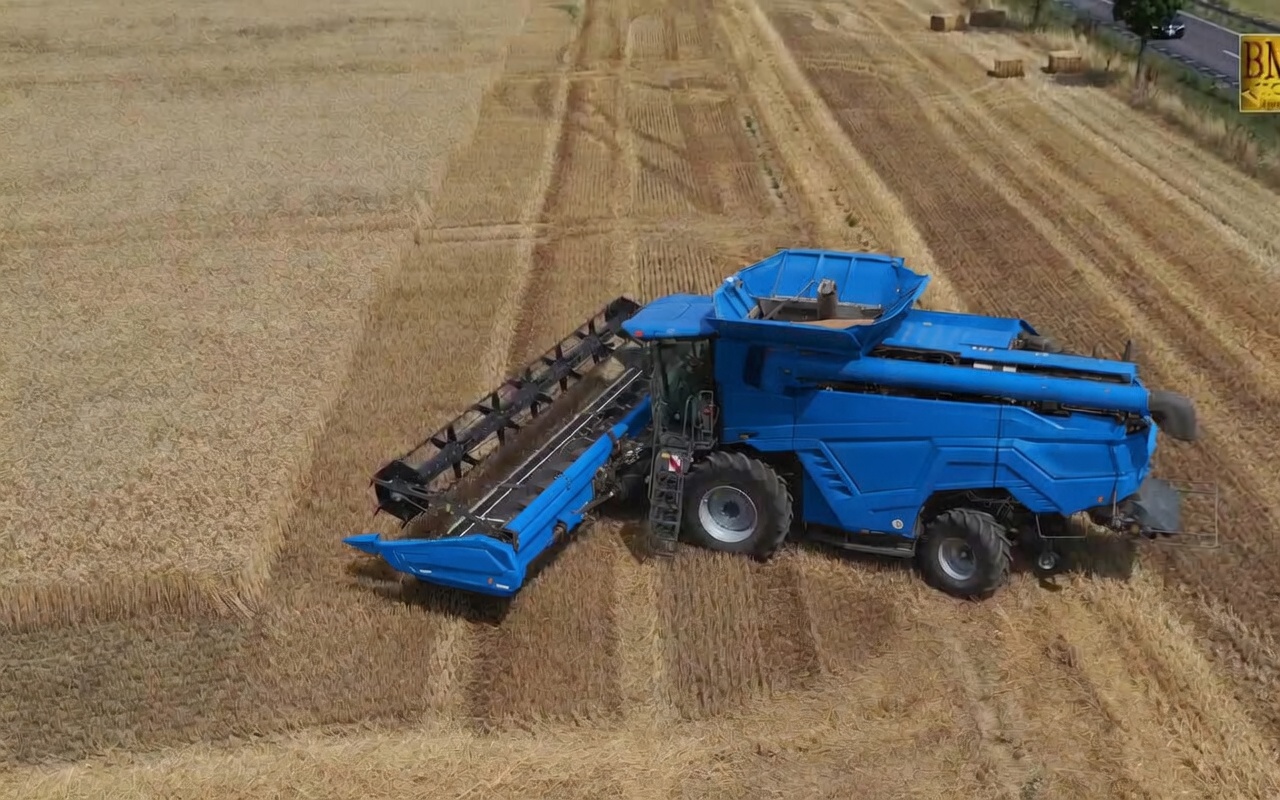
Custom bore sizes, keyways, and material specifications available. Response within 1 business day.
Why Threshing Drums Push Standard Bushings to Their Limits
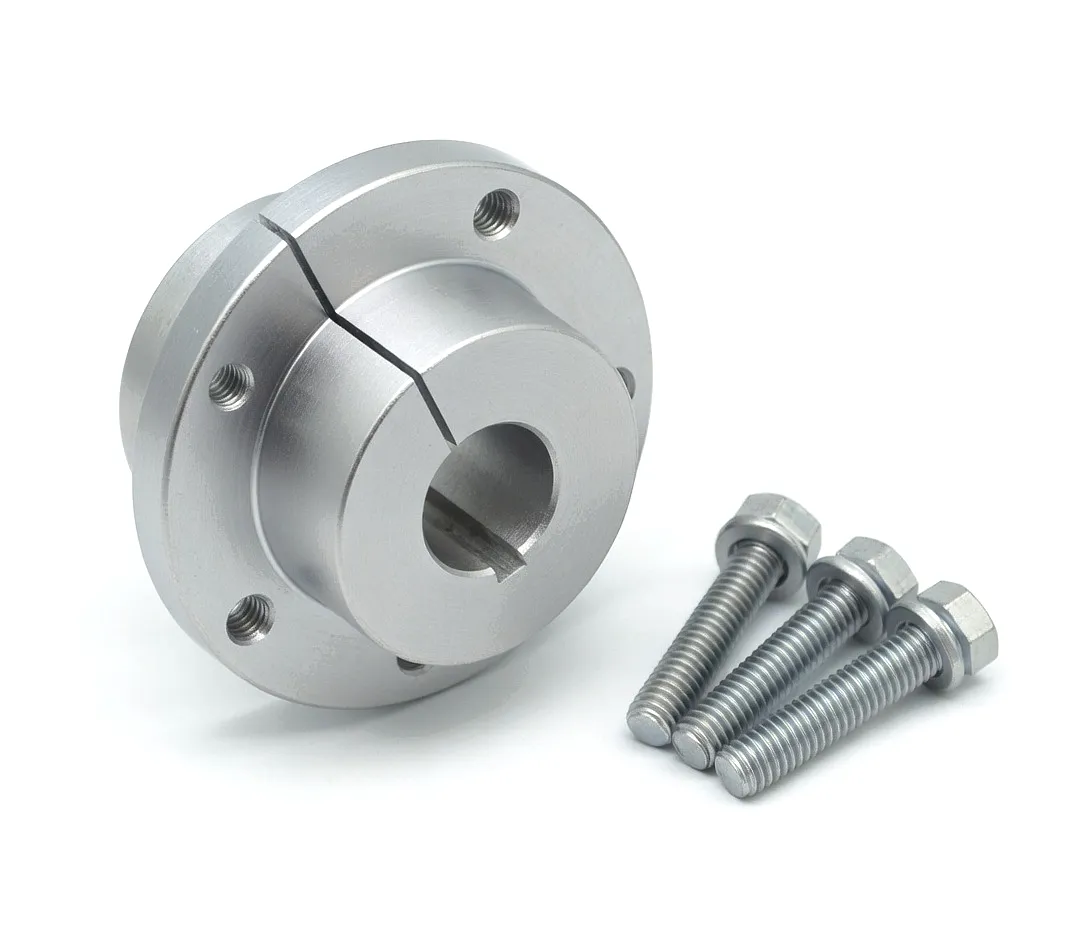 The threshing drum of a modern combine harvester is not a gentle mechanism. During peak operation — processing wheat at 15 tonnes per hour, for example — the drum shaft experiences repeated impact loading as crop material enters the concave gap. Rotational speed fluctuates as material density changes through the day. The drive belt transmitting power to the drum pulley sees shock loads that spike well above the steady-state torque calculation, particularly during the engagement transient when the drum clutch locks in. Add to this the fine grain dust and silica chaff that infiltrates every unsealed mechanical joint, and you have a working environment that ages components far faster than laboratory ratings suggest.
Standard setscrew bushings, when deployed in this application, develop a characteristic failure mode within 200 to 400 operating hours. The setscrew point-loads the shaft at two or four contact points. Under the oscillating torque of the threshing drum drive, these contact points generate fretting wear — leaving ridges on the shaft surface that prevent the bushing from ever seating cleanly again. Once fretting begins, the bushing loosens progressively, accelerating wear in a self-reinforcing cycle. The shaft itself often requires replacement, turning a £30 bushing failure into a £400 shaft repair plus unplanned field downtime during the narrowest harvest window of the year.
QD bushings resolve this through taper-clamping geometry. When the bushing flange bolts are tightened to the specified torque, the taper forces the split bushing inward uniformly against the shaft. Contact pressure is distributed over the full bore length rather than concentrated at two setscrew points. The resulting grip resists the cyclic torque reversals that occur during engagement and disengagement of the threshing mechanism. For farms running continuous two-shift harvesting — a pattern increasingly common in large-scale UK arable operations — this difference in grip quality translates directly to reduced in-season breakdown risk and longer shaft service life.
QD Bushing Technical Specifications for Threshing Drum Applications
| QD Series | Bore Range (mm) | Max Torque (Nm) | Typical Position | Material |
|---|---|---|---|---|
| SH | 12 – 32 | Up to 520 | Cleaning sieve eccentric drives | Cast iron / Ductile iron |
| SK | 16 – 52 | Up to 1,350 | Feeder house chain sprockets | Cast iron / Steel |
| SD | 22 – 76 | Up to 2,800 | Main threshing drum drive pulley | Ductile iron / Alloy steel |
| SF | 28 – 100 | Up to 4,200 | Rotary separator / straw walker crank | Alloy steel, heat-treated |
| E | 35 – 130 | Up to 7,600 | Grain elevator head shaft | Alloy steel, surface-hardened |
| JA / M | 50 – 150 | Up to 12,000+ | High-torque drum on large rotary combines | Forged alloy steel |
All torque values are indicative maximum ratings. Actual selection must account for service factor, shock loading, and operating temperature. Contact our engineers for precise specifications.
Materials, Construction, and the Taper-Lock Principle
Cast & Ductile Iron Grades
SH and SK series QD bushings most commonly used for cleaning sieve drives and feeder sprockets are produced from either grade-30 grey cast iron or ASTM A536 ductile iron. Ductile iron offers roughly 2.5 times the tensile strength of grey iron — a significant advantage on the feeder house where the bushing absorbs sudden loading as crop bunches enter the machine. Casting tolerances on these grades are held to ±0.02 mm on the taper surface, ensuring consistent interference fit regardless of production batch. For farms replacing bushings mid-season from multiple suppliers, dimensional consistency is a genuine operational concern and not a trivial specification detail.
Alloy Steel for High-Torque Drives
SF, E, and M series QD bushings — destined for main threshing drum pulleys and rotary separator drives — are manufactured from alloy steels such as 42CrMo4 or 40Cr, heat-treated to HRC 28–35. This combination of core toughness and surface hardness allows the bushing to withstand the cyclic bending stress induced by belt tension without developing fatigue cracks at the keyway root. On high-powered rotary combines operating in the heavy wheat crops of East Anglia, the drive pulley can experience 4 kN of belt tension per strand. A bushing material unable to tolerate this loading without permanent deformation will typically fail within a single season.
The 1:8 Taper Interface
The defining geometric feature of every QD bushing is the 1:8 taper ratio on the mating surfaces between bushing and hub. When cap screws are tightened, the split bushing is drawn into the hub bore, generating radial contact pressure of 80–150 MPa depending on series. This pressure transmits full rated torque through friction alone, with the keyway acting only as a redundant overload safety feature. The self-releasing taper — a consequence of the 1:8 geometry being shallower than the self-locking angle — means that removal bolts used in the jack holes release the assembly cleanly without hammering, preserving the shaft surface for reuse across multiple seasons.
Application Positions Across the Combine Harvester Drivetrain
Threshing Drum Drive Pulley
The primary drive pulley on the threshing drum shaft is the most mechanically demanding QD bushing position in the entire combine. Belt forces, drum inertia, and crop-load impact all converge here. SD and SF series with 52–76 mm bores are standard across most European combine platforms operating on UK farms. Keyway specification is typically B or C key, and bore surface finish is held to Ra 1.6 µm to maximise grip pressure distribution.
Cleaning Sieve Eccentric Drive
The chaffer and sieve system uses eccentric crank mechanisms driven by small pulleys on 20–38 mm shafts. These positions see moderate torque but extreme fatigue cycling — 400–600 oscillations per minute continuously throughout the harvest day. SH and SK series QD bushings are designed for these shafts. Their compact flange OD (SH maximum 64 mm) provides the clearance required in the confined space below the grain pan on current-generation combines.
Feeder House Chain Drive
Sprockets on the feeder house cross-shaft are frequently mounted with SK series QD bushings, particularly on Case IH Axial-Flow and New Holland CR platforms. The feeder house is the first point of contact between combine and crop, so sudden slug-feeding events — large damp clumps entering at once — generate chain-shock loads far above steady-state torque. The QD bushing’s 360° clamping prevents shaft fretting under these slug conditions that are routine in the unpredictable British harvest weather.
Grain Elevator Head Shaft
Grain and returns elevators terminate at sprockets mounted on head shafts ranging from 35 to 65 mm. Precise concentricity is essential to prevent bucket-chain vibration that accelerates wear across the entire elevator assembly. E series QD bushings, with their extended hub depth, provide better alignment control than short bushings — particularly on the 65 mm head shafts common on large Claas Lexion models working across Northern England and Scotland.
Straw Walker Crank Drive
On conventional straw-walker combines, crankshaft drive pulleys for the walker mechanism operate at comparatively low speeds — typically 160–220 RPM — but high torque, particularly when processing heavy straw volumes from winter wheat harvested in wet Scottish Borders or Welsh Marches conditions. SF series QD bushings, with larger bore range and increased hub engagement depth, are the engineering specification for these positions.
Auger and Unloading System
Cross augers and the unloading boom drive both use QD bushings to connect drive sprockets to their respective shafts. The unloading auger drive benefits particularly from the quick-release capability: grain debris and chaff accumulation frequently requires seasonal strip-down of the auger tube, and SK series bushings reduce sprocket removal from a half-day shaft-extraction exercise to a straightforward 15-minute workshop operation each winter.
Six Reasons UK Agricultural Engineers Specify QD Bushings
Uniform Shaft Clamping
Taper geometry distributes grip over the full bore circumference, eliminating the fretting that destroys setscrew-mounted pulleys within a single harvest season. Shaft surface integrity is maintained season after season.
Rapid Seasonal Removal
Threaded jack-screw holes allow the bushing to be driven free of the hub in minutes. Combines stored over the British winter can be fully inspected and rebuilt before spring calibration without any shaft damage risk.
Cross-Brand Interchangeability
QD bushings conform to ANSI/AGMA standardised dimensions. A replacement from any compliant supplier drops into an existing QD hub without dimensional mismatch — critical for contractors running mixed Claas, John Deere, and Case fleets.
Keyway + Friction Redundancy
The keyway handles transient shock loads while friction carries continuous torque. This dual mechanism means the assembly survives overload events — slug feeding, engagement transients — that would strip a friction-only taper coupling.
Custom Bore Machining
Metric, imperial, and non-standard bore diameters machined to order. Eliminates field modification risks — site-drilled bushings create stress concentrations that initiate fatigue cracks far earlier than a properly bored component.
Dust & Grain Debris Tolerance
The enclosed taper interface resists grain dust ingress far more effectively than open setscrew arrangements. Seasonal cleaning and light oil application before winter storage is the only routine maintenance required at these positions.
Customer Success Story: Lincolnshire Arable Contractor, UK
Situation
A medium-sized agricultural contracting business based near Boston, Lincolnshire — operating four Claas Lexion 770 combines across a wheat and oilseed rape programme covering approximately 4,200 hectares per season — was experiencing recurring threshing drum drive pulley failures. Each machine was consuming two to three pulley and bushing assemblies per season. Setscrew-type mounting on 65 mm drum shafts proved completely unsuited to the heavy, often damp oilseed rape crops that are typical of Lincolnshire autumns. Shaft fretting damage made every replacement a two-stage repair: new bushing plus shaft repair welding, costing £180 to £280 per incident in workshop time alone, with the genuine risk of a harvest shutdown if a failure occurred on a peak-throughput day.
Solution Applied
Working with our application engineering team, the contractor specified SD-65 QD bushings in 42CrMo4 alloy steel with B-key, paired with compatible QD-hub pulleys for the primary drum drive position. Feeder house sprockets were upgraded to SK-52 bushings simultaneously. All four machines were rebuilt across the winter period from December through February, with complete installation documentation and tightening torque schedules provided. Flange bolt torque was specified at 70 Nm for M12 bolts to achieve the target contact pressure for 65 mm bore engagement on the drum shaft material. A 50-hour re-torque check was included in the spring pre-season inspection schedule as standard practice.
Results After Two Full Seasons
What UK Agricultural Engineers Say
We switched all our drum drive pulleys to QD bushing mounts three seasons back. Night and day difference — not a single shaft fretting failure since. Winter strip-down time dropped from nearly half a day per machine to about 40 minutes. Should have done it years earlier, honestly.
Senior Combine Technician, Yorkshire Arable Contractor
I manage parts procurement for 12 combines working across Cambridgeshire and Norfolk. Standardised QD bushing dimensions mean I can carry one stock batch and they fit across three different combine brands. That kind of parts rationalisation actually matters when you are managing costs at scale across a large fleet.
Parts & Procurement Manager, East Anglian Agricultural Contractor
The custom bore service was the deciding factor for us. We have a couple of older New Holland TF78s with non-standard shaft sizes nobody stocks off the shelf. Getting exact bore sizes machined to order meant we could rebuild the drum drives properly, not with adaptors that always seem to cause knock-on problems later in the season.
Workshop Manager, Scottish Borders Farm Machinery Dealer
Factory Capability and Custom QD Bushing Manufacturing
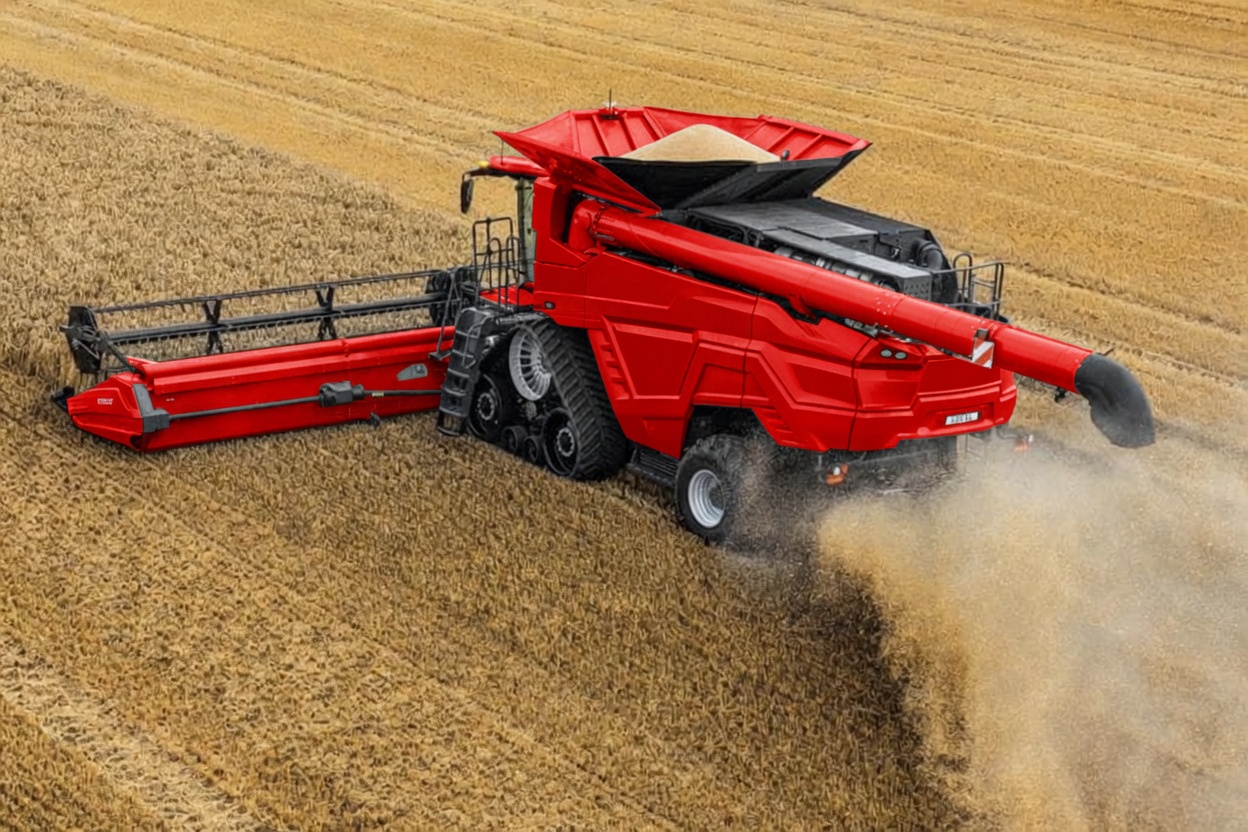 Standard catalogue QD bushings cover the majority of combine harvester applications, but the agricultural machinery sector regularly presents shafts that deviate from ANSI standard bore sizes — particularly on older equipment, retrofitted machines, or combines that have had replacement shafts fitted with slightly different tolerances during previous repairs. Our manufacturing facility operates CNC turning centres that hold bore tolerances to H7 fit as standard, with the option for H6 or custom interference fits on request. We machine keyways to BS 4235 or DIN 6885 standards and can produce parallel-sided, woodruff, and double-keyway configurations to customer drawings.
Surface treatments available include phosphate coating for enhanced corrosion resistance during combine storage over the British winter, zinc-nickel plating for humid operating environments — relevant for potato and sugar beet harvesters in Fenland and East Anglian conditions — and black oxide for general agricultural applications. Minimum order quantities for custom work begin at 10 pieces per specification, making custom-bore QD bushings economically accessible for agricultural dealers servicing regional fleets of modified or older combine harvesters. All custom bushing orders are supplied with full dimensional inspection reports, and material certificates traceable to the raw material heat number are available on request.
For UK agricultural machinery dealers and OEM manufacturers based in England, Scotland, and Wales, we offer direct supply with delivery typically within 10 to 14 working days for custom orders and 3 to 5 working days for standard catalogue items held ex-stock. Orders are invoiced in GBP with 30-day payment terms available to approved UK accounts. Our application engineering team is available to review shaft drawings, confirm bushing series selection, and specify correct installation torques for non-standard applications — a service that ensures your fleet rebuild is done right the first time without costly mid-season corrections.
Need Custom QD Bushings for Your Combine or Agricultural Equipment?
Send us your shaft drawing, bore size, and keyway specification. Our engineering team will confirm the correct bushing selection and provide a competitive price for standard or custom supply. UK agricultural machinery customers receive priority response within one business day.
Installation and Seasonal Maintenance for UK Harvest Conditions
The British agricultural calendar provides a predictable maintenance window: combines typically come in from harvest between mid-August and late September, enter a service period through autumn and winter, and return to calibration runs in May or June. This gives a 7 to 8 month window for proper inspection and rebuild of all QD bushing positions. Getting this window right — rather than attempting a hurried pre-harvest install in the field — is the single most important factor in preventing in-season drive failures. A bushing installed without the correct torque in inadequate lighting inside a farm shed on an August evening is a failure waiting to happen.
| Period | Action | Key Notes |
|---|---|---|
| Post-harvest (Sep–Oct) | Inspect all bushing positions for fretting marks, bolt corrosion, or rotational looseness | Use jack screws to remove bushing if shaft contact marks are found |
| Winter service (Nov–Feb) | Remove, clean, measure shaft OD; replace bushing if shaft reduced by >0.04 mm | Apply light anti-seize compound to taper surfaces before reinstall |
| Pre-season (Apr–May) | Torque-check all flange bolts; verify pulley alignment with laser or dial gauge | Always tighten in cross pattern; torque wrench only — never an impact gun |
| 50-hour check (in-season) | Re-torque all flange bolts after initial bedding-in period at season start | New bushings can lose up to 15% initial preload during first 50 hours of operation |
Frequently Asked Questions About QD Bushings in UK Combine Harvesters
edit by gzl