
Product Description
Black surface Plain carbon mild steel material QD taper lock sleeve bushings For V-belt Pulley
| Taper Bush specification | Taper Bush inner bore specification | |
| 1008 | 10. 11. 12. 14. 15. 16. 18. 19. 20. 22. 24. 25. | |
| 1108 | 10. 11. 12. 14. 15. 16. 18. 19. 20. 22. 24. 25. 28. | |
| 1210 | 1212 | 11. 12. 14. 15. 16. 18. 19. 20. 22. 24. 25. 28. 30. 32. |
| 1310 | 14. 15. 16. 18. 19. 20. 22. 24. 25. 28. 30. 32. 35. | |
| 1610 | 1615 | 14. 15. 16. 18. 19. 20. 22. 24. 25. 28. 30. 32. 35. 38. 40. 42. |
| 2012 | 2017 | 18. 19. 20. 22. 24. 25. 28. 30. 32. 35. 38. 40. 42. 45. 48. 50. |
| 2517 | 2525 | 20. 22. 24. 25. 28. 30. 32. 35. 38. 40. 42. 45. 48. 50. 55. 60. |
| 3571 | 3030 | 25. 28. 30. 32. 35. 38. 40. 42. 45. 48. 50. 55. 60. 65. 70. 75. |
| 3525 | 3535 | 35. 38. 40. 42. 45. 48. 50. 55. 60. 65. 70. 75. 80. 85. 90. |
| 4030 | 4040 | 40. 42. 45. 48. 50. 55. 60. 65. 70. 75. 80. 85. 90. 95. 100. |
| 4535 | 4545 | 55. 60. 65. 70. 75. 80. 85. 90. 95. 100.105. 110. |
| 5040 | 5050 | 60. 65. 70. 75. 80. 85. 90. 95. 100 . 105. 110. 115 . 120. 125. |
Related products
If you need customization, please click here to contact us!
| Standard or Nonstandard: | Standard |
|---|---|
| Feature: | Flame-Retardant, Anti-Static, Oil-Resistant, Cold-Resistant, Corrosion-Resistant, Heat-Resistant, Alkali-Resistant, Skid-Resistance, Wear-Resistant, Acid-Resistant, High Temperature-Resistance |
| Application: | Textile Machinery, Garment Machinery, Conveyer Equipment, Packaging Machinery, Electric Cars, Motorcycle, Food Machinery, Marine, Mining Equipment, Agricultural Machinery, Car |
| Surface Treatment: | Baking Paint |
| Material: | Stainless Steel |
| Type: | 1008-120100 |
| Samples: |
US$ 2.5/Piece
1 Piece(Min.Order) | |
|---|
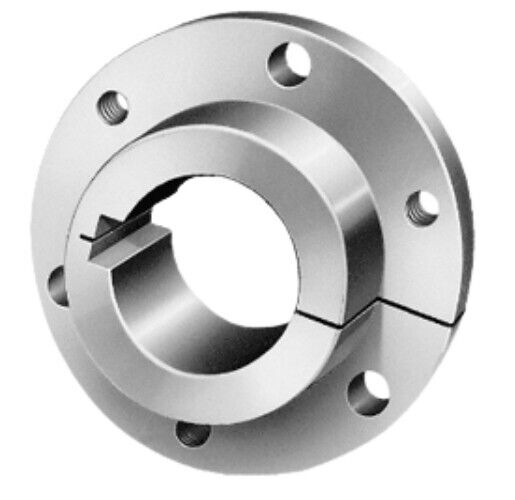
Can I find educational resources on the history and evolution of QD bushing technology?
If you are interested in learning about the history and evolution of QD (Quick Disconnect) bushing technology, there are educational resources available that can provide valuable insights. These resources can help you understand the development, advancements, and applications of QD bushings over time. Here are some avenues to explore:
- Manufacturer Websites: Some manufacturers of QD bushings provide educational resources on their websites. They may have sections dedicated to the history and evolution of their products, including QD bushings. These resources can include articles, whitepapers, or technical documentation that discuss the development of QD bushing technology and its various iterations. Visiting the websites of reputable manufacturers in the power transmission industry can provide you with valuable information.
- Industry Publications and Magazines: Trade publications and industry magazines often feature articles and case studies that delve into the historical aspects of industrial technologies. Publications such as Mechanical Engineering, Machine Design, or Power Transmission Engineering may cover topics related to QD bushing technology. Exploring their archives or conducting targeted searches can help you find informative articles on the subject.
- Engineering Books and Textbooks: Engineering books and textbooks on mechanical power transmission, machine design, or industrial components may contain chapters or sections dedicated to QD bushings. These resources can provide in-depth explanations of the technology’s history, design principles, and applications. Searching for relevant books in libraries, online bookstores, or academic databases can help you access comprehensive educational material.
- Technical Forums and Online Communities: Online technical forums and communities, such as engineering forums or mechanical engineering subreddits, can be valuable sources for discussions on the history and evolution of QD bushing technology. Engaging with professionals, engineers, and enthusiasts in these communities can provide you with insights, personal experiences, and references to further educational resources.
- Academic Research Papers: Academic research papers and journals in the fields of mechanical engineering, industrial engineering, or power transmission may contain studies or analyses related to QD bushing technology. Platforms like IEEE Xplore, Google Scholar, or academic databases provided by universities or research institutions can help you find scholarly articles that explore the historical aspects, design improvements, or performance evaluations of QD bushings.
When exploring these educational resources, it’s important to critically evaluate the information and cross-reference it with multiple sources. The history and evolution of QD bushing technology may vary depending on the specific manufacturer, region, or application. By gathering information from various reputable sources, you can develop a comprehensive understanding of the subject.
By utilizing these educational resources, you can gain knowledge about the history and evolution of QD bushing technology, enabling you to appreciate the advancements and applications of this important component in the field of mechanical power transmission.
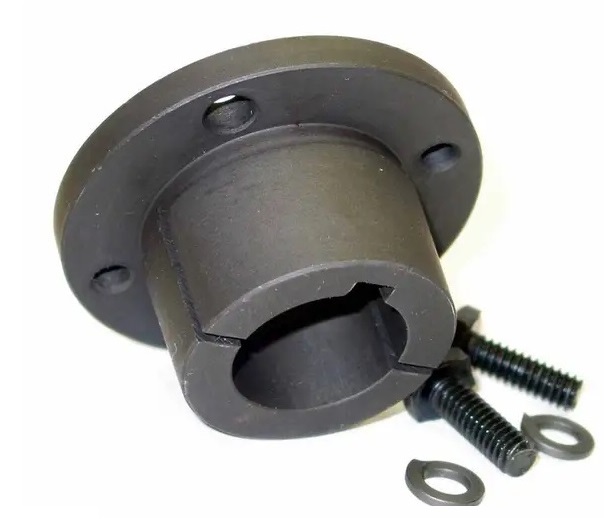
Can I get recommendations for QD bushings with corrosion-resistant properties for outdoor applications?
When it comes to outdoor applications where corrosion resistance is a concern, there are several QD (Quick Disconnect) bushing options available that offer enhanced protection against corrosion. Here are some recommendations for QD bushings with corrosion-resistant properties suitable for outdoor applications:
- Stainless Steel QD Bushings: Stainless steel QD bushings are highly recommended for outdoor applications due to their excellent corrosion resistance. They are resistant to rust and can withstand exposure to moisture, humidity, and various weather conditions. Stainless steel QD bushings are available in different grades, such as 304 and 316 stainless steel, each offering varying levels of corrosion resistance. These bushings are commonly used in outdoor equipment, such as agricultural machinery, construction equipment, and outdoor conveyors.
- Plated or Coated QD Bushings: Some QD bushings are coated or plated with corrosion-resistant materials to enhance their durability in outdoor environments. Common coatings include zinc plating, nickel plating, or epoxy coatings. These coatings provide a protective barrier against moisture, chemicals, and atmospheric conditions, reducing the risk of corrosion. Plated or coated QD bushings are suitable for a wide range of outdoor applications where moderate corrosion resistance is required.
- Polymer or Composite QD Bushings: Certain QD bushings are constructed using polymer or composite materials known for their inherent corrosion resistance. Materials such as nylon, reinforced polymers, or composite alloys can provide excellent resistance to moisture, chemicals, and UV exposure. Polymer or composite QD bushings are lightweight, non-conductive, and often self-lubricating, making them suitable for outdoor applications where corrosion resistance, low friction, and electrical insulation are essential.
- Aluminum QD Bushings: While aluminum is not as corrosion-resistant as stainless steel, it can still provide satisfactory performance in certain outdoor applications. Aluminum QD bushings are lightweight, have good mechanical strength, and offer moderate resistance to corrosion. They are commonly used in equipment and machinery where weight reduction is a priority, such as outdoor recreational vehicles, lawn and garden equipment, or portable machinery.
When selecting QD bushings with corrosion-resistant properties for outdoor applications, it is important to consider the specific environmental conditions, exposure to chemicals, temperature variations, and the severity of corrosion factors. Consulting with QD bushing manufacturers or industry experts can provide valuable insights and recommendations based on their knowledge and experience.
Lastly, regardless of the corrosion-resistant properties of the QD bushings, it is important to follow proper maintenance practices and regularly inspect and clean the bushings to ensure their long-term performance and effectiveness in outdoor environments.
By choosing QD bushings with corrosion-resistant properties appropriate for outdoor applications, you can enhance the durability and reliability of your equipment, reducing the risk of premature failure and minimizing maintenance requirements.
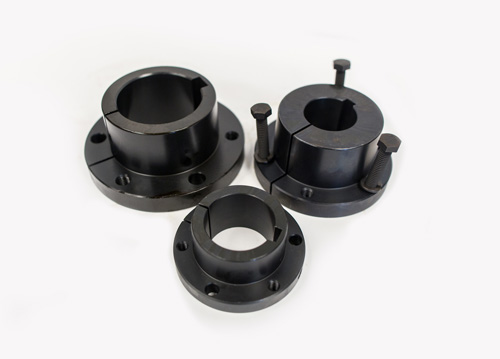
Can I get step-by-step instructions on installing QD bushings for different mechanical setups?
While I can provide a general overview of the installation process for QD bushings, it’s important to note that the specific installation steps can vary depending on the mechanical setup and the manufacturer’s guidelines. It is recommended to consult the manufacturer’s instructions and specifications for the specific QD bushing you are using. However, here is a general outline of the steps involved in installing QD bushings:
- Gather the necessary tools and equipment: Before you begin the installation process, ensure you have the required tools and equipment on hand. This may include wrenches, torque wrenches, a mallet or hammer, and any additional components or accessories specified by the manufacturer.
- Prepare the shaft and the mounting component: Clean the shaft and the inner bore of the mounting component to remove any dirt, debris, or old lubricants. Ensure that the shaft surface is smooth and free from any damage or burrs that could interfere with the installation process.
- Inspect the QD bushing: Before installing the QD bushing, inspect it for any visible damage or defects. Ensure that the tapered surfaces and the flange are clean and free from any debris that could affect the installation or the connection with the shaft and the mounting component.
- Position the QD bushing: Place the QD bushing over the shaft, ensuring that it aligns properly with the desired location on the shaft. The flange of the bushing should be facing the mounting component.
- Engage the QD bushing: Apply even pressure to the outer surface of the QD bushing to initiate the engagement. This can be done using a mallet or hammer. Ensure that the bushing is centered and properly seated on the shaft. Avoid applying excessive force that could damage the bushing or the shaft.
- Tighten the QD bushing: Using the specified torque value provided by the manufacturer, tighten the QD bushing by turning the tightening screws or bolts evenly. Follow the recommended tightening sequence provided by the manufacturer to ensure an even and secure connection. Be careful not to over-tighten the bushing, as this can cause damage.
- Verify the installation: After tightening the QD bushing, inspect the connection to ensure that it is secure and properly aligned. Check for any axial movement or play between the bushing, shaft, and mounting component. Verify that the mounted component is positioned correctly and securely fastened to the bushing.
- Complete the installation: Once you have verified the installation, proceed with any additional steps required for your specific mechanical setup. This may involve attaching other components, aligning belts or chains, or performing any necessary adjustments or calibrations.
It’s important to note that the above steps are a general guide and may not cover all possible scenarios or variations. Always refer to the manufacturer’s instructions and guidelines specific to the QD bushing you are using. Following the manufacturer’s recommendations will ensure proper installation and optimal performance of the QD bushing in your mechanical setup.


editor by CX 2023-11-16