
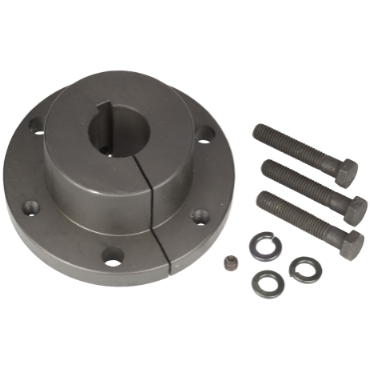
Where can I find video tutorials on the correct installation and alignment of QD bushings?
If you are looking for video tutorials on the correct installation and alignment of QD (Quick Disconnect) bushings, there are several platforms where you can find helpful resources. Video tutorials can provide visual guidance, step-by-step instructions, and practical demonstrations, making it easier to understand the proper techniques for installing and aligning QD bushings. Here are some places to explore:
- Manufacturer Websites: Many manufacturers of QD bushings provide video tutorials and demonstration videos on their websites. These videos are often created by the manufacturers themselves and offer detailed instructions specific to their products. Visiting the websites of reputable QD bushing manufacturers in the power transmission industry can help you access these valuable resources.
- YouTube: YouTube is a popular platform for finding video tutorials on a wide range of topics. Searching for keywords such as “QD bushing installation” or “QD bushing alignment” can lead you to various video tutorials created by individuals, companies, or educational channels. You can watch multiple videos to gain different perspectives and learn various techniques for installing and aligning QD bushings.
- Trade Association and Industry Websites: Trade associations and industry organizations related to mechanical power transmission or industrial equipment often provide educational resources, including video tutorials. These websites may have dedicated sections or video libraries that cover topics such as QD bushing installation and alignment. Examples of such organizations include the Power Transmission Distributors Association (PTDA) and the Mechanical Power Transmission Association (MPTA).
- Online Training Platforms: Online training platforms that focus on industrial maintenance, mechanical engineering, or power transmission systems may offer video courses or modules that cover the installation and alignment of QD bushings. These platforms often provide comprehensive training materials and may require a subscription or fee to access the content. Examples of such platforms include Udemy, LinkedIn Learning, or Skillshare.
- Equipment Manufacturer Websites: Websites of manufacturers or suppliers of agricultural, construction, or industrial equipment that utilize QD bushings in their products may have video tutorials on the installation and alignment of these components. These videos are often specific to the equipment and may cover the integration of QD bushings within the larger machinery.
When watching video tutorials, it’s important to ensure that the content is from a reliable source and aligns with industry best practices. Consider videos created by reputable manufacturers, experts in the field, or trusted educational channels. Pay attention to the clarity of the instructions, the quality of the demonstration, and any safety precautions mentioned during the installation and alignment process.
By exploring these platforms and utilizing video tutorials, you can gain visual guidance and practical insights into the correct installation and alignment of QD bushings, ensuring their proper functioning and longevity in your mechanical systems.
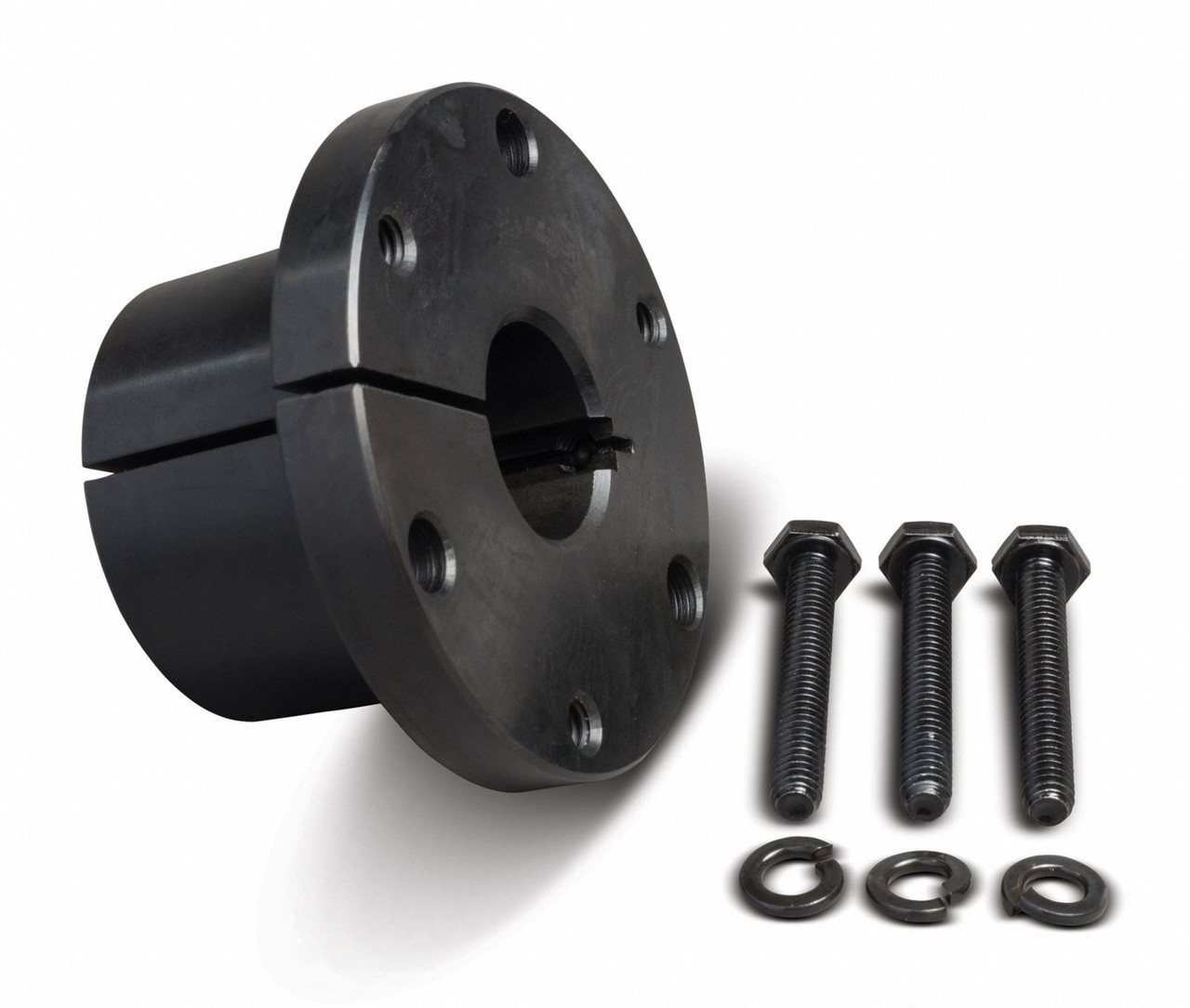
What are the common materials used in the construction of QD bushings, and how do they affect performance?
QD (Quick Disconnect) bushings are available in various materials, each with its own characteristics that can impact performance and suitability for specific applications. Here are some common materials used in the construction of QD bushings and their effects on performance:
- Steel: Steel is a widely used material in QD bushings due to its excellent strength and durability. Steel QD bushings can handle high torque and load capacities, making them suitable for heavy-duty applications. They provide good resistance to wear and can withstand harsh operating conditions. Steel bushings are often coated or plated to enhance corrosion resistance.
- Stainless Steel: Stainless steel QD bushings offer similar strength and durability to steel bushings but with added corrosion resistance. They are particularly suitable for applications where exposure to moisture, chemicals, or corrosive environments is a concern. Stainless steel bushings are commonly used in industries such as food processing, pharmaceuticals, and marine applications.
- Cast Iron: Cast iron QD bushings are known for their excellent shock absorption and vibration damping properties. They can help reduce noise and minimize the transmission of vibrations in rotating equipment. Cast iron bushings are often used in applications where noise reduction and improved equipment performance are critical, such as in machinery and industrial equipment.
- Bronze: Bronze QD bushings offer good wear resistance and low friction properties. They are commonly used in applications where self-lubrication and reduced friction are essential, such as in conveyor systems and high-speed machinery. Bronze bushings also exhibit good resistance to corrosion and can operate in heavy load conditions.
- Plastic and Composite Materials: Certain QD bushings are made from plastic or composite materials, such as nylon or reinforced polymers. These bushings offer advantages such as lightweight construction, corrosion resistance, and low friction. Plastic bushings are often used in applications where quieter operation, non-conductivity, or chemical resistance is required. However, they may have lower load and torque capacities compared to metal bushings.
The choice of material for QD bushings depends on the specific requirements of the application. Factors such as load capacity, speed, environmental conditions, and the need for corrosion resistance or vibration damping influence material selection. It is important to consider these factors and refer to manufacturer specifications and recommendations when choosing the appropriate material for QD bushings.
Additionally, it is worth noting that the material of the QD bushing can affect the compatibility with the mating shaft material. Proper consideration should be given to ensure that the chosen bushing material is compatible with the shaft material to avoid issues such as galling, excessive wear, or galvanic corrosion.
By understanding the characteristics and effects of different materials used in QD bushings, you can select the most suitable material that aligns with your application’s requirements and enhances the overall performance and reliability of your mechanical system.
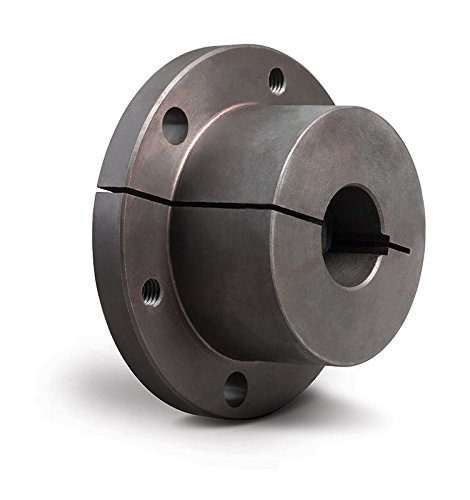
Are there different sizes and styles of QD bushings available for various shaft diameters?
Yes, there are different sizes and styles of QD bushings available to accommodate various shaft diameters in industrial applications. QD bushings are designed to provide a secure and reliable connection between the shaft and the mounted component, and their versatility allows for compatibility with a wide range of shaft sizes.
Here are some key points regarding the availability of different sizes and styles of QD bushings:
- Size Range: QD bushings are manufactured in different sizes to match specific shaft diameters. The size range typically starts from smaller shaft diameters, such as 0.5 inches or 12 millimeters, and goes up to larger shaft diameters, such as several inches or centimeters. The specific size range may vary depending on the manufacturer and the intended application.
- Incremental Sizing: QD bushings are often available in incremental sizes to provide a precise fit for different shaft diameters. For example, you may find QD bushings in size increments of 1/16 inch or 1 millimeter. This allows for fine-tuning and selection of the appropriate bushing size that matches the specific shaft diameter.
- Style Variations: QD bushings may come in different styles to accommodate various application requirements. The basic design of a QD bushing includes a flanged bushing with tapered grooves and a corresponding taper on the outer surface. However, there may be variations in the number of grooves, flange design, or other specific features depending on the manufacturer and the intended use.
- Material Options: QD bushings are typically made from high-quality materials such as steel or ductile iron to ensure strength and durability. However, there may be variations in the material composition or surface treatments offered by different manufacturers. These variations can provide options for specific application needs, such as corrosion resistance or enhanced wear properties.
When selecting a QD bushing for a specific shaft diameter, it is important to consult the manufacturer’s specifications and guidelines. This will ensure that you choose the appropriate bushing size and style that matches your shaft diameter and application requirements. Manufacturers often provide detailed product catalogs and technical resources that outline the available sizes, styles, and compatibility with different shaft diameters.
By considering the range of sizes and styles available, you can find a QD bushing that precisely fits your shaft diameter and facilitates a secure and efficient connection for your industrial application.


editor by CX 2024-04-19