
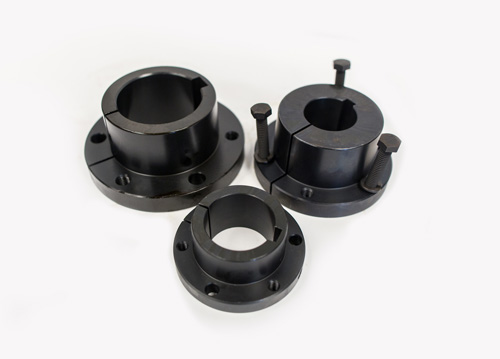
What are the temperature and environmental considerations when using QD bushings?
When using QD (Quick Disconnect) bushings, it is important to take into account temperature and environmental factors to ensure their optimal performance and longevity. Here are some key considerations regarding temperature and environmental conditions:
- Temperature Range: QD bushings are typically designed to operate within specific temperature ranges. It is crucial to understand the temperature limits specified by the manufacturer for the particular type and material of the bushing. Exceeding these temperature limits can lead to premature wear, reduced load capacity, dimensional changes, or even failure of the bushing. Extreme heat or cold can affect the material properties, lubrication, and overall functionality of the bushing.
- Operating Environment: The operating environment plays a significant role in determining the performance and durability of QD bushings. Factors such as moisture, humidity, dust, chemicals, and corrosive substances can impact the bushing’s performance and lifespan. In corrosive environments, it is essential to select bushings made from materials that offer resistance to corrosion or consider additional protective measures such as coatings or seals. Similarly, in dusty or dirty environments, regular cleaning and maintenance are necessary to prevent contaminants from impairing the bushing’s operation.
- Lubrication: Proper lubrication is critical for the smooth operation and longevity of QD bushings. The selection of lubricant should take into account the anticipated temperature range, operating conditions, and the manufacturer’s recommendations. Lubrication helps reduce friction, wear, and heat generation within the bushing, ensuring efficient power transmission and preventing premature failure. Regular lubrication maintenance should be carried out as per the manufacturer’s guidelines.
- Load and Speed: The temperature of QD bushings can be influenced by the magnitude of the applied load and the rotational speed. Higher loads and speeds generate more heat, which can impact the temperature of the bushing and its surrounding components. It is important to consider these factors and select QD bushings that are capable of handling the anticipated loads and speeds within the specified temperature range.
- Vibration and Shock: Excessive vibration and shock can affect the performance and reliability of QD bushings. Vibrations can cause fretting, loosening, or misalignment of the bushing, leading to increased wear and reduced service life. If the application involves significant vibration or shock loads, it is important to select QD bushings that are designed to withstand such conditions or consider additional measures such as using locking compounds or supplementary fasteners to enhance the bushing’s stability.
It is crucial to consult the manufacturer’s documentation, guidelines, and specifications for the specific QD bushings you are using. They will provide detailed information on temperature limits, environmental considerations, and any particular requirements or recommendations for the bushing’s operation and maintenance.
By considering temperature and environmental factors, selecting appropriate materials, ensuring proper lubrication, and addressing specific application requirements, you can maximize the performance and lifespan of QD bushings in your mechanical systems, contributing to their overall reliability and efficiency.
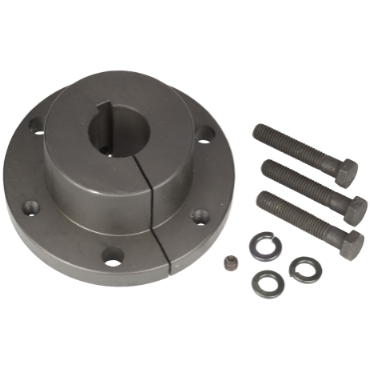
Can I get advice on selecting the right QD bushings based on torque, speed, and load requirements?
When selecting the right QD (Quick Disconnect) bushings based on torque, speed, and load requirements, it is crucial to consider several factors to ensure optimal performance and compatibility. Here is some advice to guide you in the selection process:
- Torque Capacity: Determine the maximum torque that will be transmitted through the QD bushing in your application. This can be influenced by factors such as the power source, driven component, and operating conditions. Check the manufacturer’s specifications for the QD bushing’s torque capacity rating. It is important to choose a QD bushing that can handle the anticipated torque without exceeding its limits to ensure reliable and safe operation.
- Speed Limitations: Consider the rotational speed or RPM (revolutions per minute) at which the QD bushing will operate. Higher speeds can generate centrifugal forces, which can affect the performance and stability of the bushing. Verify the manufacturer’s specifications for the maximum recommended speed rating of the QD bushing. Ensure that the selected bushing can handle the anticipated speed without compromising its integrity or causing excessive wear.
- Load Requirements: Evaluate the applied load on the QD bushing, including axial, radial, and moment loads. Consider factors such as the weight of the driven component, dynamic forces, and any external forces acting on the system. Check the manufacturer’s specifications for the load capacity ratings of the QD bushing. It is essential to select a bushing that can withstand the anticipated loads without experiencing excessive deformation or failure.
- Material Selection: QD bushings are available in various materials, such as steel, stainless steel, and cast iron. Consider the environmental conditions, temperature range, and potential exposure to corrosive substances or contaminants in your application. Choose a QD bushing material that offers the necessary strength, corrosion resistance, and durability for the specific operating conditions.
- Consult with Manufacturers and Engineers: If you have specific and complex requirements or are unsure about the selection process, it is advisable to consult with QD bushing manufacturers or experienced engineers. They can provide expert guidance based on their knowledge and experience. Sharing comprehensive information about your application, including torque, speed, load requirements, and other relevant factors, will help them recommend the most suitable QD bushing for your needs.
It is crucial to note that selecting the right QD bushings goes beyond torque, speed, and load requirements. Other factors, such as shaft diameter, shaft fit, axial positioning requirements, and compatibility with the driven component, also play a significant role. Always refer to the manufacturer’s specifications, guidelines, and recommendations to ensure proper selection and installation of the QD bushings in your power transmission or conveying system.
By considering these factors and seeking professional advice when needed, you can make informed decisions and choose the right QD bushings that meet your torque, speed, and load requirements, leading to optimal performance and longevity of your system.
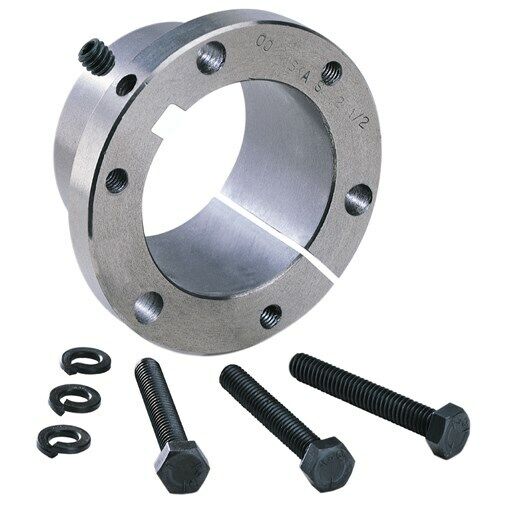
What are the advantages of using QD bushings in power transmission and conveying systems?
Using QD (Quick Disconnect) bushings in power transmission and conveying systems offers several advantages. These bushings provide a reliable and efficient means of connecting shafts to mounted components. Here are some key advantages of using QD bushings:
- Easy Installation and Removal: QD bushings are designed for quick and straightforward installation. They can be easily mounted on a shaft without the need for extensive disassembly or specialized tools. Similarly, when it comes to removal or replacement, QD bushings can be quickly disconnected and reinstalled, minimizing downtime and simplifying maintenance tasks.
- Secure Shaft Connection: QD bushings offer a secure and tight connection between the shaft and the mounted component. The tapered design of the bushing creates a mechanical interference fit, ensuring a strong bond. This connection minimizes slippage or movement between the shaft and the mounted component, providing reliable power transmission and conveying efficiency.
- Versatility and Compatibility: QD bushings are available in various sizes and styles, making them compatible with a wide range of shaft diameters and applications. This versatility allows for easy integration into different power transmission and conveying systems, providing flexibility in component selection and system design.
- Accurate Positioning: QD bushings allow for precise axial positioning of the mounted component on the shaft. The bushings typically have multiple tapered grooves that provide incremental adjustment options. This enables fine-tuning of the component’s position, ensuring proper alignment and minimizing misalignment-related issues.
- Reduced Vibrations and Noise: The tight and secure connection provided by QD bushings helps minimize vibrations and noise in power transmission and conveying systems. By reducing unwanted movement and play between the shaft and the mounted component, QD bushings contribute to smoother operation and quieter performance.
- Ease of Component Replacement: When components need to be replaced or upgraded in a power transmission or conveying system, QD bushings simplify the process. By disconnecting the bushing, the component can be easily removed and replaced without requiring extensive shaft modifications or disassembly of other system components.
- Cost and Time Savings: The ease of installation, removal, and component replacement offered by QD bushings can result in cost and time savings. Reduced installation and maintenance time, along with minimized system downtime, contribute to increased operational efficiency and productivity.
Overall, QD bushings provide a practical and effective solution for connecting shafts to mounted components in power transmission and conveying systems. Their ease of use, secure connection, versatility, and other advantages make them a popular choice in various industrial applications.


editor by CX 2024-04-08