
Product Description
Description:
Taper Lock Bushings with Split Bushes, Taper Bushing, China Taper Bushing
1, High standardization
2, High precision
3, Compact structure
4, Easy assembling
5, Highest torque-carrying capacity
6, Double split barrel assure true concentricity -grips the shaft with positive clamp fit
China manufacturer of bush & hub, Specialist in: taper bushes, qd bushes, taper bushings with split, weld on hubs, steel hubs, taper bore adapters.
Quick Detail:
Taper Lock Bushings with Split Bushes, Taper Bushing, China Taper Bushing
Standard and non-standard available
With high quality and competitive price
Prompt delivery
Packing as per customer’s demand.
| After Warranty Service | Video technical support |
| Applicable Industries | Manufacturing Plant |
| Warranty | 1.5 years |
| Place of Origin | China |
| China | ZHangZhoug |
| Brand Name | EPG |
| certificate | CE |
| Material | Metal |
| Color | Customized |
| Design | Customized |
Certifications
Packaging & Shipping
Our Advantages
As a factory that produces QD sleeves, we have a series of advantages, including:
High quality raw materials: We use high-quality raw materials to manufacture QD sleeves, ensuring that they have excellent mechanical properties and corrosion resistance.
High precision machining: Our production equipment has high-precision machining capabilities, ensuring that the aperture and taper accuracy of QD casing meet the highest standards.
Customized design: We can provide customized design and manufacturing services according to customer needs, ensuring that QD sleeves can meet customer needs and achieve the best results.
Fast delivery time: We adopt efficient production processes and a fast logistics system to ensure timely delivery of the QD sleeves required by customers.
After sales service: We provide customers with comprehensive after-sales service, including technical support, repair and replacement services, to ensure that customers obtain the best performance and reliability when using QD sleeves.
In short, our factory has first-class production equipment, high-precision processing capabilities, and customized design capabilities, which can provide customers with high-quality QD sleeves and services.
| Type: | Custom |
|---|---|
| Usage: | Agricultural Products Processing, Farmland Infrastructure |
| Material: | Custom |
| Power Source: | Custom |
| Weight: | Custom |
| After-sales Service: | 5 Years |
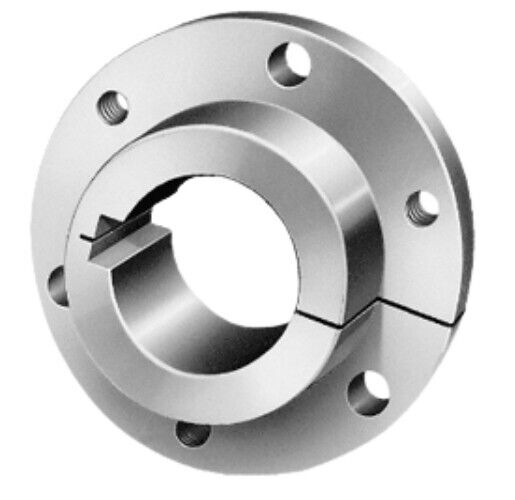
Can I find educational resources on the history and evolution of QD bushing technology?
If you are interested in learning about the history and evolution of QD (Quick Disconnect) bushing technology, there are educational resources available that can provide valuable insights. These resources can help you understand the development, advancements, and applications of QD bushings over time. Here are some avenues to explore:
- Manufacturer Websites: Some manufacturers of QD bushings provide educational resources on their websites. They may have sections dedicated to the history and evolution of their products, including QD bushings. These resources can include articles, whitepapers, or technical documentation that discuss the development of QD bushing technology and its various iterations. Visiting the websites of reputable manufacturers in the power transmission industry can provide you with valuable information.
- Industry Publications and Magazines: Trade publications and industry magazines often feature articles and case studies that delve into the historical aspects of industrial technologies. Publications such as Mechanical Engineering, Machine Design, or Power Transmission Engineering may cover topics related to QD bushing technology. Exploring their archives or conducting targeted searches can help you find informative articles on the subject.
- Engineering Books and Textbooks: Engineering books and textbooks on mechanical power transmission, machine design, or industrial components may contain chapters or sections dedicated to QD bushings. These resources can provide in-depth explanations of the technology’s history, design principles, and applications. Searching for relevant books in libraries, online bookstores, or academic databases can help you access comprehensive educational material.
- Technical Forums and Online Communities: Online technical forums and communities, such as engineering forums or mechanical engineering subreddits, can be valuable sources for discussions on the history and evolution of QD bushing technology. Engaging with professionals, engineers, and enthusiasts in these communities can provide you with insights, personal experiences, and references to further educational resources.
- Academic Research Papers: Academic research papers and journals in the fields of mechanical engineering, industrial engineering, or power transmission may contain studies or analyses related to QD bushing technology. Platforms like IEEE Xplore, Google Scholar, or academic databases provided by universities or research institutions can help you find scholarly articles that explore the historical aspects, design improvements, or performance evaluations of QD bushings.
When exploring these educational resources, it’s important to critically evaluate the information and cross-reference it with multiple sources. The history and evolution of QD bushing technology may vary depending on the specific manufacturer, region, or application. By gathering information from various reputable sources, you can develop a comprehensive understanding of the subject.
By utilizing these educational resources, you can gain knowledge about the history and evolution of QD bushing technology, enabling you to appreciate the advancements and applications of this important component in the field of mechanical power transmission.
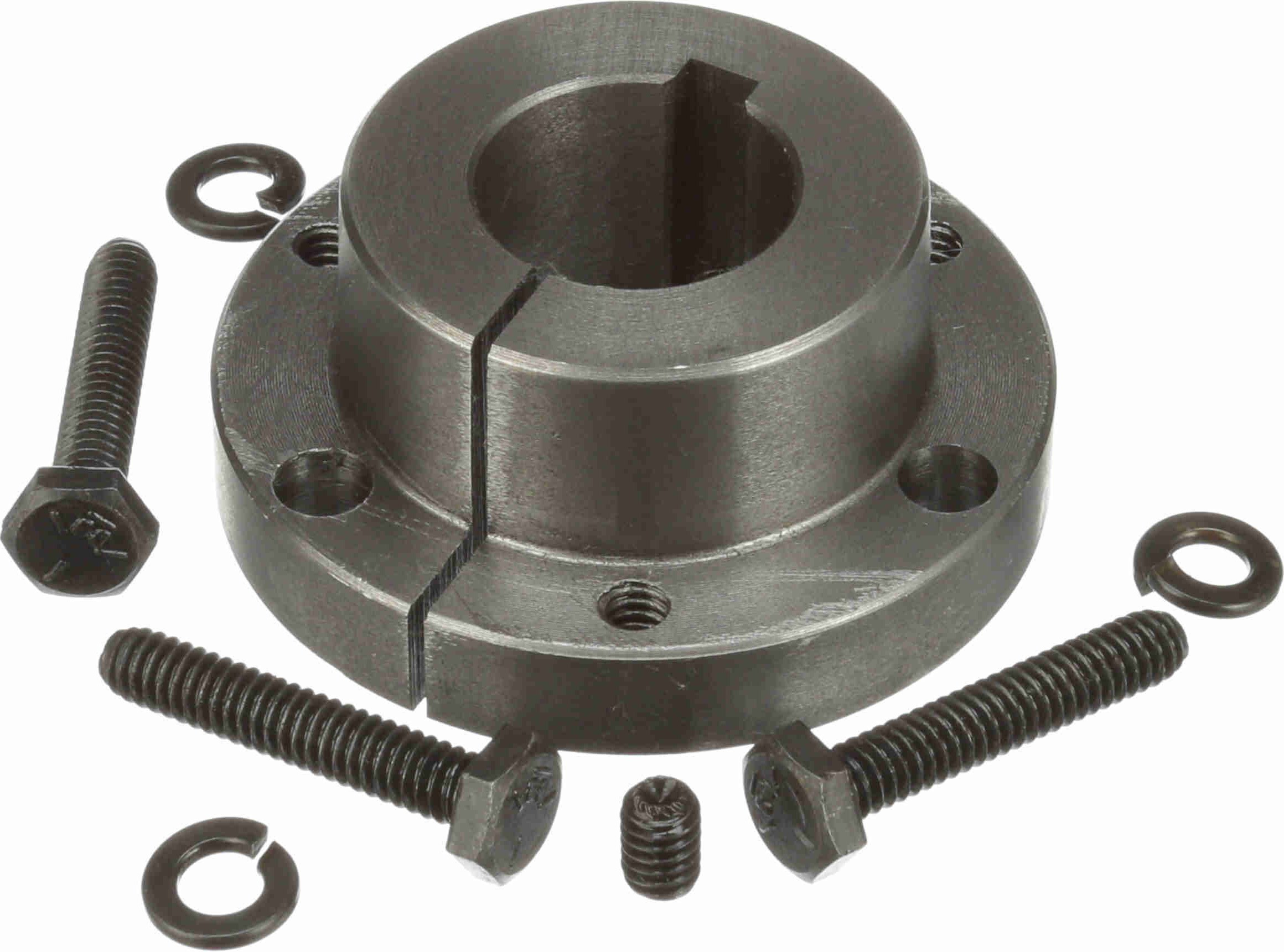
Where can I find tutorials on removing and replacing QD bushings in various machinery?
When it comes to finding tutorials on removing and replacing QD (Quick Disconnect) bushings in various machinery, there are several resources you can explore. These resources can provide step-by-step instructions, visual demonstrations, and helpful tips for the proper removal and installation of QD bushings. Here are some places where you can find such tutorials:
- Manufacturer Websites: Many QD bushing manufacturers provide resources and documentation on their websites. These resources may include installation guides, technical manuals, or video tutorials that demonstrate the proper procedure for removing and replacing QD bushings. Visit the websites of reputable QD bushing manufacturers and look for their support or resources section to find relevant tutorials.
- Online Video Platforms: Video-sharing platforms like YouTube often have a variety of instructional videos on mechanical maintenance and repairs. Search for keywords such as “QD bushing removal” or “QD bushing installation” to find relevant video tutorials. Make sure to watch videos from credible sources and consider those created by professionals or recognized industry experts.
- Industrial Training Courses: Some industrial training courses or workshops may cover topics related to QD bushing removal and installation. These courses are often conducted by industry associations, vocational schools, or professional training organizations. Look for relevant courses in your area or consider online training options that focus on machinery maintenance or power transmission systems.
- Online Industrial Forums and Communities: Engaging with online industrial forums and communities can be helpful in finding tutorials and seeking advice from professionals who have experience with QD bushing removal and replacement. Participate in discussions, ask specific questions, and request guidance on the proper procedures. Other forum members may provide links to tutorials or share their own experiences and tips.
- Equipment Manuals and Documentation: If you have access to the equipment manuals or documentation for the specific machinery where the QD bushings are installed, they may include instructions on bushing removal and replacement. Check the maintenance or service sections of the manuals for relevant information. The equipment manufacturer may provide specific guidelines tailored to their machinery.
When utilizing tutorials or guides, it is important to exercise caution and follow safety protocols. Ensure that the tutorial aligns with the specific QD bushing and machinery you are working with, as procedures may vary depending on the design and manufacturer. If you are uncertain or inexperienced, it is recommended to consult with professionals or seek assistance from qualified technicians who are familiar with the equipment and QD bushing removal/installation procedures.
By exploring these resources and leveraging the knowledge and experiences shared by experts and industry professionals, you can acquire the necessary guidance and skills to confidently remove and replace QD bushings in various machinery.
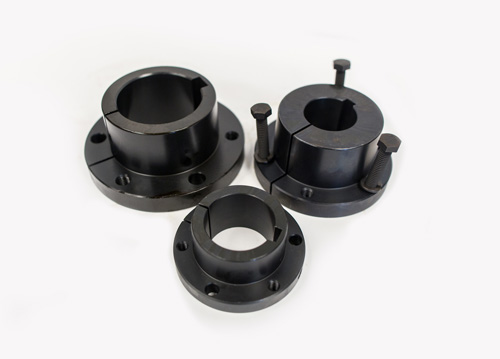
Can I get step-by-step instructions on installing QD bushings for different mechanical setups?
While I can provide a general overview of the installation process for QD bushings, it’s important to note that the specific installation steps can vary depending on the mechanical setup and the manufacturer’s guidelines. It is recommended to consult the manufacturer’s instructions and specifications for the specific QD bushing you are using. However, here is a general outline of the steps involved in installing QD bushings:
- Gather the necessary tools and equipment: Before you begin the installation process, ensure you have the required tools and equipment on hand. This may include wrenches, torque wrenches, a mallet or hammer, and any additional components or accessories specified by the manufacturer.
- Prepare the shaft and the mounting component: Clean the shaft and the inner bore of the mounting component to remove any dirt, debris, or old lubricants. Ensure that the shaft surface is smooth and free from any damage or burrs that could interfere with the installation process.
- Inspect the QD bushing: Before installing the QD bushing, inspect it for any visible damage or defects. Ensure that the tapered surfaces and the flange are clean and free from any debris that could affect the installation or the connection with the shaft and the mounting component.
- Position the QD bushing: Place the QD bushing over the shaft, ensuring that it aligns properly with the desired location on the shaft. The flange of the bushing should be facing the mounting component.
- Engage the QD bushing: Apply even pressure to the outer surface of the QD bushing to initiate the engagement. This can be done using a mallet or hammer. Ensure that the bushing is centered and properly seated on the shaft. Avoid applying excessive force that could damage the bushing or the shaft.
- Tighten the QD bushing: Using the specified torque value provided by the manufacturer, tighten the QD bushing by turning the tightening screws or bolts evenly. Follow the recommended tightening sequence provided by the manufacturer to ensure an even and secure connection. Be careful not to over-tighten the bushing, as this can cause damage.
- Verify the installation: After tightening the QD bushing, inspect the connection to ensure that it is secure and properly aligned. Check for any axial movement or play between the bushing, shaft, and mounting component. Verify that the mounted component is positioned correctly and securely fastened to the bushing.
- Complete the installation: Once you have verified the installation, proceed with any additional steps required for your specific mechanical setup. This may involve attaching other components, aligning belts or chains, or performing any necessary adjustments or calibrations.
It’s important to note that the above steps are a general guide and may not cover all possible scenarios or variations. Always refer to the manufacturer’s instructions and guidelines specific to the QD bushing you are using. Following the manufacturer’s recommendations will ensure proper installation and optimal performance of the QD bushing in your mechanical setup.


editor by CX 2023-11-16