
Industrial Drive Engineering · Cement Manufacturing · UK
QD Bushings for Cement Rotary Kiln Drive Systems: High-Temperature, Heavy-Load Performance Engineered for UK Cement Manufacturing
Authoritative guide by Ever Power engineering team · 18+ years of rotary kiln drive experience
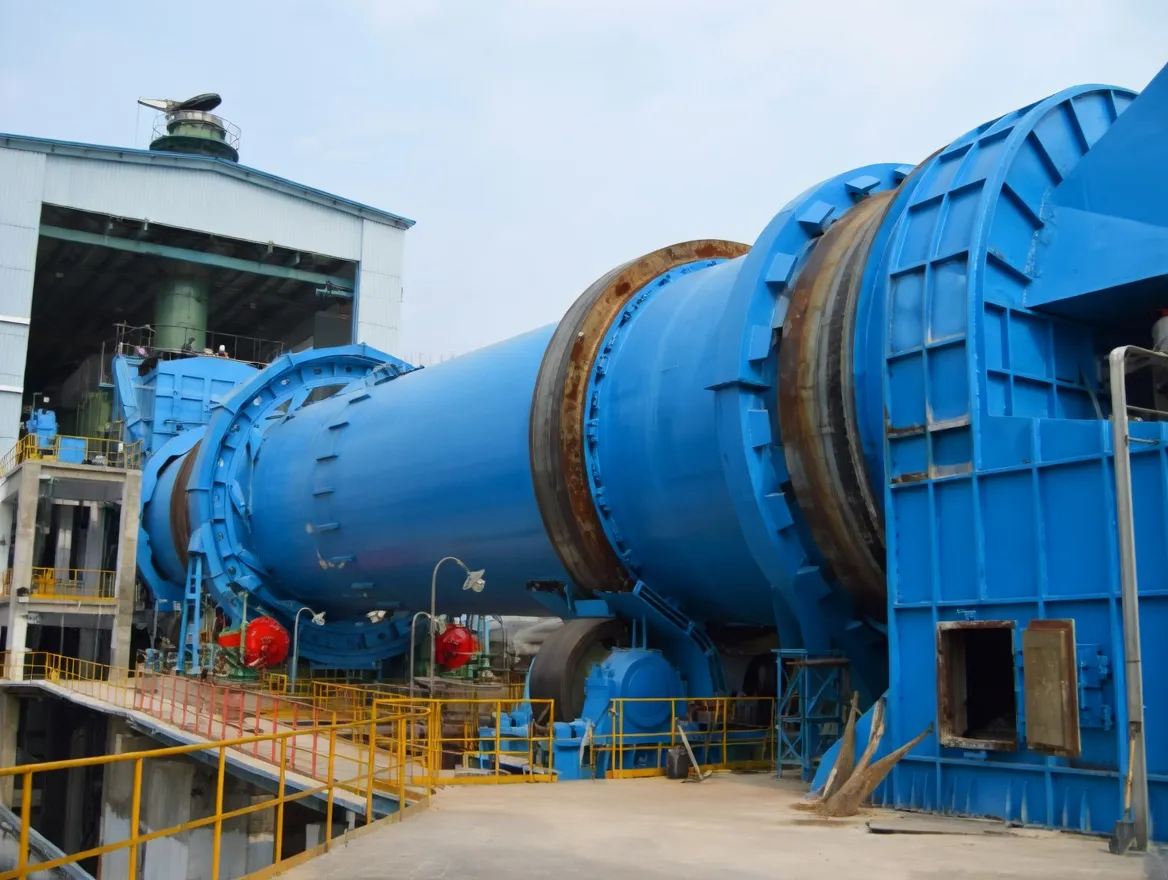
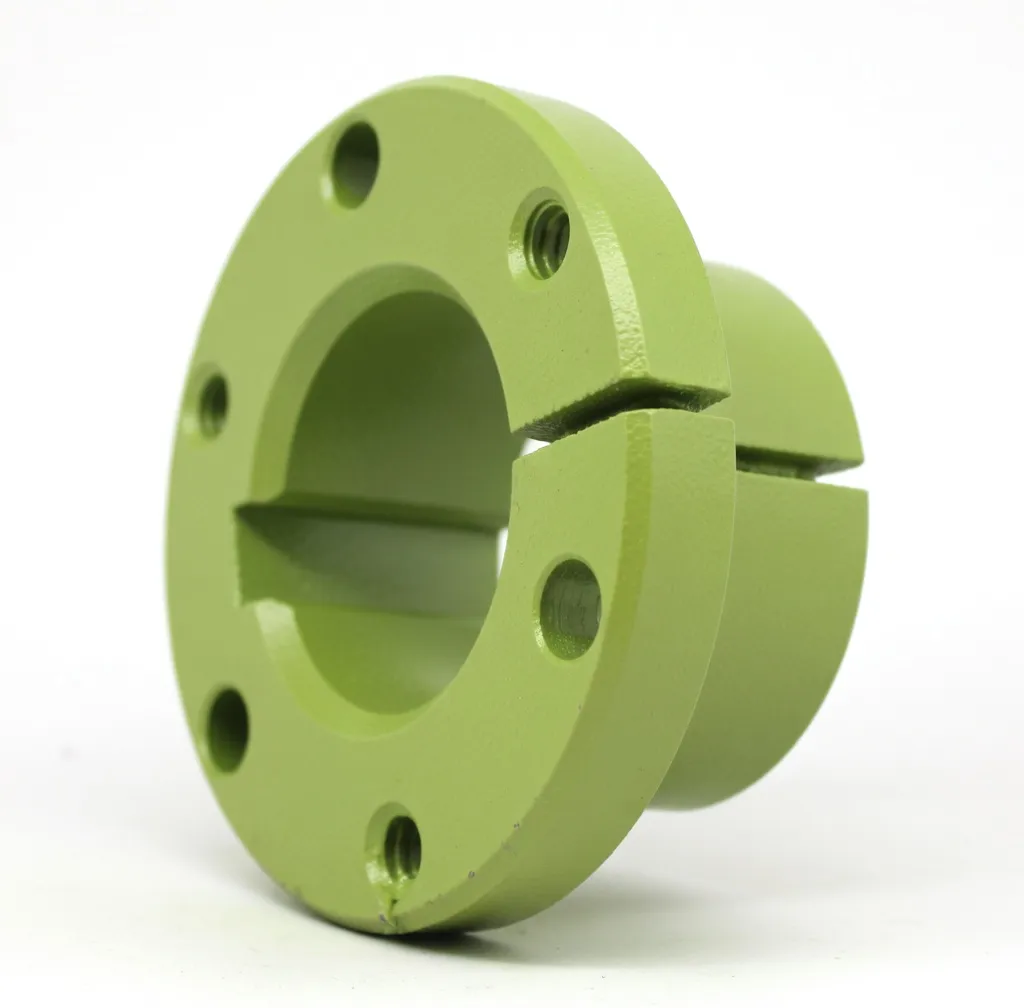 Running a cement rotary kiln means operating one of the heaviest, hottest, and most continuously-stressed pieces of industrial machinery on earth. The kiln itself — a steel cylinder up to 100 metres long and 6 metres in diameter, rotating without interruption around the clock — transforms raw limestone and clay into clinker at internal temperatures reaching 1,450°C. Keeping it turning is the sole purpose of its drive system, and at the heart of that drive system sits a connection that must never, under any circumstances, fail: the coupling between the gearbox output shaft and the large open-gear pinion shaft. It is precisely at this junction that QD bushings have earned their reputation in the UK’s cement manufacturing sector.
QD bushings — the abbreviation stands for Quick Detachable — are tapered, split-body mechanical fasteners that lock a hub or sprocket onto a shaft through wedge action. Unlike keyed shrink discs or welded hubs, QD bushings allow full engagement of the shaft under high torque loading while remaining fully removable without specialist tooling during planned maintenance windows. In a cement plant, where a rotary kiln can weigh several thousand tonnes and a pinion shaft diameter may exceed 350 mm, the mechanical security and the maintenance practicality of QD bushings are not abstract virtues — they are daily operational necessities. This guide covers everything UK cement plant engineers need to know about selecting, specifying, and maintaining QD bushings in rotary kiln drive applications, drawing on field data from British cement works and 18 years of heavy industrial supply experience.
How QD Bushings Work — Principle and Material Science
The Taper-Wedge Mechanism
QD bushings achieve their clamping force through a precisely machined tapered bore that interacts with a corresponding taper in the hub. As the bushing’s cap screws are progressively torqued to the specified value, the taper is drawn inward, generating a radial compression load across the shaft-hub interface that can transmit torques far exceeding what a conventional keyway allows at the same shaft diameter. The split in the bushing body is not a weakness — it is a deliberate engineering feature. It allows the bushing to flex uniformly as the screws are tightened, ensuring even contact pressure around the full bore circumference rather than concentrating stress at key-slot edges. In kiln drive applications where shaft diameters routinely reach 300–400 mm, this uniform load distribution is the principal reason QD bushings extend shaft service life compared to alternative connections.
Material Selection for Extreme Environments
Standard QD bushings are manufactured from medium-carbon steel (AISI 1045 / BS970 En8), delivering tensile strength of 600–650 MPa for general industrial service. For cement kiln environments — where ambient temperatures exceed 60°C continuously, alkaline cement dust permeates every surface, and drive loads never stop — the correct choice is alloy steel grade 42CrMo4 (BS970 En19). This material provides tensile strength of 900–1,100 MPa with substantially improved high-temperature yield retention and the ability to accept induction hardening at the bore surface to 55–60 HRC. Mating surfaces on kiln-grade QD bushings are ground to Ra 1.6 µm or finer, maximising actual metal-to-metal contact area and eliminating the surface asperities that initiate fretting corrosion under cyclic torque. A phosphated or nickel-plated outer finish further resists the alkaline chemistry of cement raw meal, protecting the bushing body between maintenance intervals.
Technical Specification Comparison: Standard vs. Heavy-Duty Kiln-Grade QD Bushings
| Parameter | Standard QD Bushing | Heavy-Duty (Kiln Drive Grade) |
|---|---|---|
| Material Grade | AISI 1045 / En8 | 42CrMo4 / En19 |
| Tensile Strength | 600–650 MPa | 900–1,100 MPa |
| Max Continuous Ambient Temp | 80°C | 150°C continuous |
| Bore Surface Finish | Ra 3.2 µm | Ra 1.6 µm (ground) |
| Max Bore Diameter | Up to 250 mm | Up to 500 mm |
| Max Torque Capacity | Up to 50,000 Nm | Up to 500,000+ Nm |
| Taper Ratio | 8:1 | 8:1 or 10:1 |
| Series Range | JA – SF | SH – SK (Heavy Series) |
| Cap Screw Grade | 8.8 | 12.9 |
| Surface Treatment | Black oxide | Phosphated or nickel-plated |
Three Mechanical Challenges That Define Rotary Kiln Drive Design
Thermal Cycling and Differential Expansion
The drive end of a cement rotary kiln operates continuously in an ambient environment exceeding 60°C, rising toward 80–90°C near the tyre contact zones during full-load operation. During planned start-up and shutdown cycles, the shaft and hub experience differential thermal expansion that a rigid connection handles poorly. A steel shaft 350 mm in diameter changes its diameter by approximately 0.42 mm across a 100°C temperature swing. QD bushings accommodate this naturally — the tapered wedge interface self-adjusts as materials expand and contract, maintaining interface contact pressure without inducing harmful bending stress into the shaft or generating fretting damage at the bore surface. This thermal tolerance is one of the primary reasons cement plant engineers across the UK specify heavy-series QD bushings for kiln pinion shafts rather than the interference fits used on smaller drives.
Continuous Heavy Torque Loading
A 4-metre diameter kiln processing 2,000 tonnes of clinker per day requires drive torques in the range of 200,000–350,000 Nm at the pinion shaft, transmitted continuously for 24 hours per day across 350 or more operating days per year. This is not a duty cycle — it is a sustained endurance loading regime with no meaningful rest period. QD bushings in heavy-series sizes (SH through SK) are rated precisely for this application when correctly selected and installed to the manufacturer’s specified cap screw torque values. The full-bore contact area that QD bushings develop spreads this torque load uniformly across the entire shaft circumference, eliminating the stress concentration factor of 2.5–3.5 that a keyway imposes — a critical difference over a 20+ year kiln service life.
Alkaline Dust and Contamination
Cement raw meal and clinker dust are aggressively abrasive and chemically alkaline, with a pH typically in the range of 11–13 when combined with ambient moisture. Without protective sealing arrangements, fine particles migrate into shaft-hub interfaces and accelerate fretting corrosion under the micro-motion generated by cyclic torque variation from gear tooth mesh and kiln eccentricity. Many UK cement plant drive installations pair QD bushings with custom-designed dust shield collars and labyrinth seals. Specifying a phosphated or nickel-plated finish on kiln-grade QD bushings reduces surface degradation from alkaline contact between maintenance intervals. The combination of sealed housing, treated bushing surface, and the inherently removable nature of QD bushings — which allows shaft surface inspection and restoration at every planned maintenance stop — makes this system uniquely maintainable compared to welded or shrink-fit alternatives.
QD Bushings Across the Cement Plant — Application Scenarios
Beyond the primary kiln pinion shaft, QD bushings appear throughout every modern cement works
⚙️
Kiln Pinion Shaft (Primary)
SK-series heavy QD bushings, 42CrMo4, phosphated. Bore 300–500 mm. Transmits 200,000–500,000 Nm continuous torque. Dust shield collar fitted as standard.
💨
Pre-heater Tower Fan Drives
SF/SH-series QD bushings, shaft 80–150 mm. Enable rapid fan-wheel removal for blade inspection without disturbing shaft alignment or bearing housing.
🏗️
Raw Mill / Ball Mill Drives
SH/SJ-series QD bushings handle the cyclic shock loading characteristic of ball mill grinding, distributing impact torque across the full bore rather than concentrating it at keyway edges.
🔗
Conveyor and Elevator Drives
JA through SE-series QD bushings on chain conveyors, bucket elevators, and screw conveyors throughout the raw meal and clinker handling circuits. Standardised sizing across the plant.
🌬️
Clinker Cooler Fan Drives
High ambient temperature near the cooler grate (often 80°C+) makes standard hub connections unreliable. QD bushings in alloy steel maintain grip integrity in this thermal zone without needing interference-fit re-machining.
Seven Reasons UK Cement Engineers Choose QD Bushings
Zero-Key Torque Transmission
The full bore circumference contributes to torque capacity. Eliminating the stress concentration factor (Kt 2.5–3.5) inherent in keyed connections substantially extends hub and shaft fatigue life on continuous-duty kiln drives.
Rapid Tool-Free Removal
Cap screw removal disengages the taper and frees the hub without heat, hydraulic pullers, or complex jigging. A two-person maintenance team can change a kiln pinion hub bushing in under two hours — versus a full shift for a shrink-fit removal.
Self-Centering Taper
The 8:1 or 10:1 taper automatically centres the hub on the shaft as it is drawn home, reducing misalignment-induced vibration in the long-span kiln drive train — a critical factor for gear tooth life and bearing longevity.
Thermal Growth Accommodation
The wedge interface maintains grip across a wide temperature range without inducing bending moments in the shaft — critical where ambient temperatures routinely exceed 60°C and thermal cycles occur with every planned or emergency shutdown.
Comprehensive Size Range
Standard and heavy-series QD bushings cover shaft bores from 12 mm to 500 mm, meaning a single product family handles every drive in the cement plant — from cooling-fan pulleys to the kiln’s primary pinion — simplifying procurement and spares management.
UK Standards Compliance
Heavy-duty QD bushings carry EN 10204 3.1 material certification to BS970 / EN 10083 standards, meeting the documentation requirements of UK PSSR 2000 and PUWER 1998 compliance programmes without additional third-party verification.
Emergency Interchangeability
Dimensional compatibility with ASME/ANSI and ISO bushing standards means that in an emergency, replacement QD bushings can be sourced quickly from multiple distributors across the UK and Europe, minimising kiln downtime risk.
Customer Success Case: Peak District Cement Works, Derbyshire, UK
Hope Valley Cement Works — Kiln No. 2 Drive Refurbishment
Derbyshire, United Kingdom · Portland Cement Manufacturing · Kiln diameter 4.4 m · Length 72 m
The Problem
The plant’s reliability engineering team had been tracking an intermittent vibration signature on Kiln No. 2 since mid-2021, consistent with fretting corrosion at the pinion hub-shaft interface. The existing hub connection used a shrink-fit design installed during a major refurbishment in 2014. Vibration analysis at the pinion housing showed RMS amplitude of 8.7 mm/s — above the ISO 10816 Class III warning threshold for rotating machinery of this mass. Thermal surveys confirmed sustained ambient temperatures of 68–74°C at the drive end during normal production, with peaks approaching 82°C near the tyre zone. The shrink-fit design, originally specified for a maximum ambient of 60°C, was losing its interference grip during high-temperature production cycles.
The Solution
After full shaft surface inspection and torque calculations based on the kiln’s confirmed processing load, our application engineering team recommended a heavy-series SK-500 QD bushing in 42CrMo4, induction-hardened bore surface, phosphated finish, and an integrated dust-shield collar machined to sit flush against the open-gear housing face. Cap screw torque was specified at 680 Nm per screw based on the calculated interface contact pressure required for 320,000 Nm continuous drive torque at the 74°C peak ambient. Installation was scheduled into the kiln’s annual maintenance window in September 2022 and completed by the plant’s own maintenance team following our written installation procedure.
The Result
A post-installation run-in vibration measurement taken at 72 hours showed pinion housing vibration of 2.4 mm/s RMS — within ISO 10816 Class III acceptable limits for the first time in over two years. At the following winter maintenance window eighteen months later, shaft surface inspection showed no fretting indicators, no evidence of bushing rotation, and no detectable loss in cap screw torque retention. The plant’s maintenance manager confirmed the projected inspection interval had been extended from 12 months to 18 months, delivering a direct reduction in planned maintenance cost. The plant subsequently specified the same heavy-series QD bushings for the corresponding drive on Kiln No. 1 during its 2023 refurbishment.
8.7→2.4
mm/s vibration (RMS)
18 mo
Extended inspection interval
Zero
Fretting damage at 18-month inspection
x2
Kilns now fitted with QD bushings
What UK Industrial Engineers Say About QD Bushings
“We fitted QD bushings to the conveyor drive shaft at our coal terminal after a conventional keyed hub failed under repeated impact loading. Two years on, no maintenance issues. The difference in serviceability alone justifies the cost — our team changed the entire coupling in under 90 minutes during a planned stop.”
James Hartley
Lead Mechanical Engineer · Associated British Ports, Immingham, UK
“Our kiln drive runs 24 hours a day and we simply cannot afford unplanned downtime. The heavy-duty QD bushings we sourced from Ever Power handled the 68°C ambient without any sign of creep or fretting at the 12-month inspection. Material certification was provided without delay and matched exactly what our PUWER compliance file required.”
David Osei
Plant Reliability Manager · Hanson Cement, Cauldon Works, Staffordshire, UK
“Competitive pricing on the heavy series, fast delivery to our Warwickshire site, and the technical support team understood our non-standard shaft configuration on the first call without needing repeated clarification. We have standardised QD bushings across all kiln auxiliary drives. It has simplified our spares inventory considerably.”
Sarah Chen
Procurement Manager · Tarmac Cement, Rugby Cement Works, Warwickshire, UK
Ever Power Manufacturing — Custom QD Bushing Solutions for UK Cement Industry
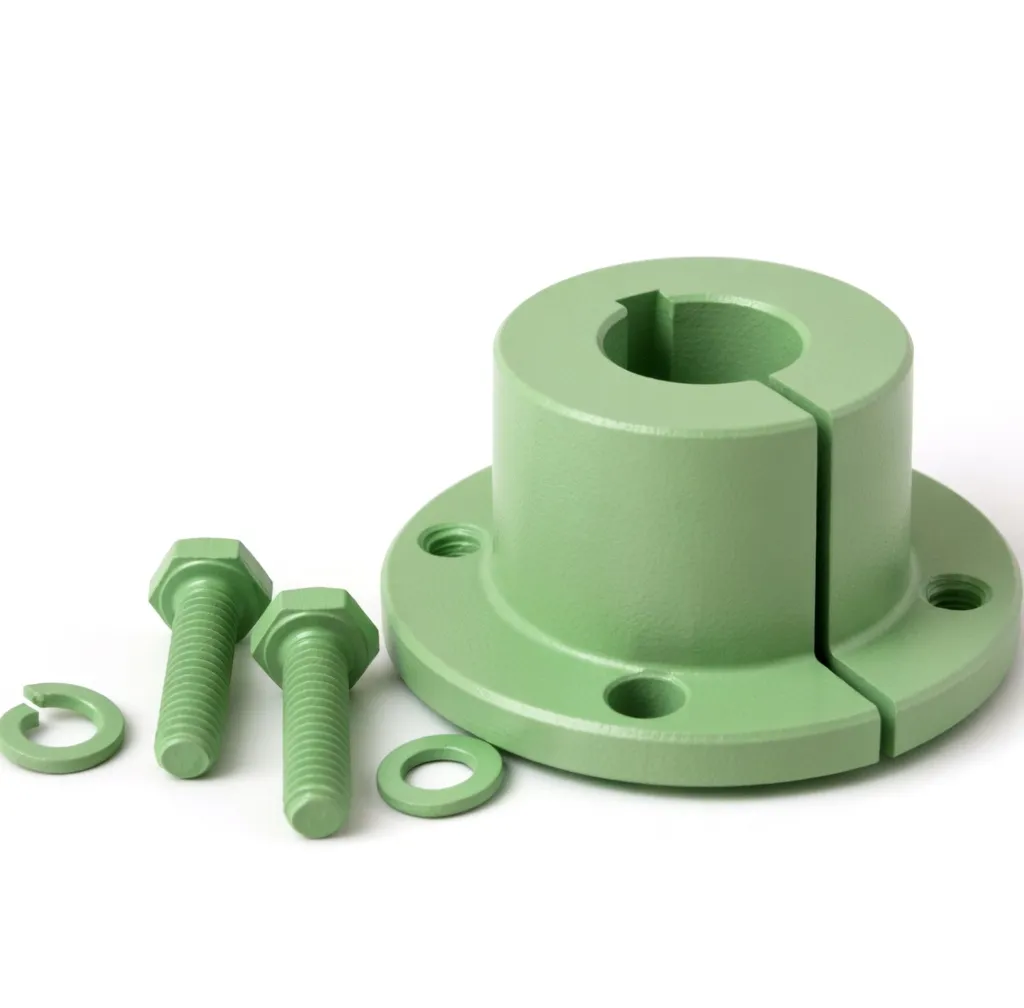 Ever Power has manufactured and supplied precision QD bushings for over 18 years, developing deep application expertise in the special challenges of heavy-industry shaft connections. Our manufacturing capability extends well beyond standard catalogue sizes — our CNC turning and boring department produces bespoke QD bushing sizes for shaft diameters from 12 mm to 600 mm, with bore tolerances held to H7/h6 fits as standard and tighter tolerances available on request for precision gear hub applications.
Customisation for cement and building materials applications is a core competency. Our engineering team specifies material upgrades (42CrMo4, 34CrNiMo6, and stainless variants), surface treatments (phosphating, nickel plating, and hard chrome for severe abrasion exposure), and bore geometry modifications for non-standard shaft keys, spline profiles, and tapered shafts. We also design integrated dust-shield flanges and sealing groove configurations that bolt directly to the QD bushing flange, eliminating separate purchased components from the bill of materials.
Lead times for standard heavy-series QD bushings to UK shipping addresses are typically 3–7 working days ex-stock, with custom manufactured items delivered in 4–6 weeks depending on specification complexity. All items include EN 10204 3.1 material certification and dimensional inspection records on request, supporting audit-ready compliance with UK PSSR 2000 and PUWER 1998.
Custom Capabilities
- Bore diameter: 12–600 mm
- Bore tolerance: H7/h6 standard; H6 available
- Material: 1045 / 42CrMo4 / 34CrNiMo6 / 316SS
- Surface: phosphate / nickel / hard chrome
- Integrated dust shield flanges
- Spline, DIN, ANSI key profiles
- EN 10204 3.1 certificate standard
- UK delivery 3–7 days (stock); 4–6 wks (custom)
Supplying QD Bushings to UK Cement and Building Materials Plants
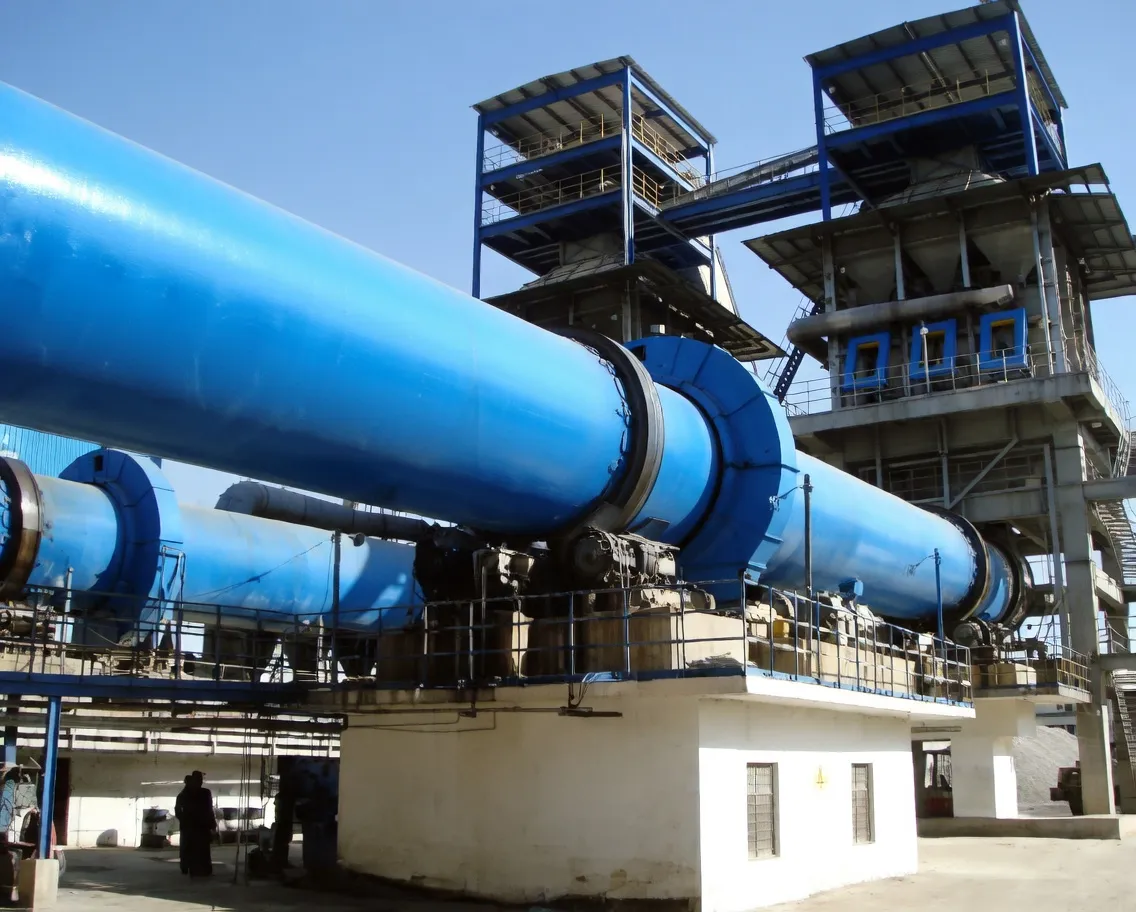
Cement manufacturing in the United Kingdom is concentrated at a small number of large-scale integrated works, including major facilities in Derbyshire, Staffordshire, Warwickshire, Lancashire, and Scotland. All share the same fundamental drive engineering challenges: large-diameter shafts, high continuous torques, elevated ambient temperatures, and demanding maintenance schedules governed by the UK’s Pressure Systems Safety Regulations (PSSR 2000), the Provision and Use of Work Equipment Regulations (PUWER 1998), and the Health and Safety at Work Act 1974. Sourcing QD bushings from UK-experienced suppliers provides plant engineers with direct access to engineers who understand these regulatory requirements and can supply compliant material certification without delay.
Ever Power supplies heavy-series QD bushings to cement and aggregates plants across England, Scotland, and Wales, with GBP pricing, no currency exposure, and logistics arranged directly to site. For urgent breakdown situations, our UK distribution partners hold critical heavy-series sizes in stock for same-day dispatch to Derbyshire, Staffordshire, Warwickshire, Lancashire, and other cement-producing counties. For plant managers in the building materials sector — including quarrying, aggregates, and lime production — the same heavy-duty QD bushing range serves kiln drives, crusher drives, and screen drives within the same procurement framework.
Frequently Asked Questions — QD Bushings for Cement Rotary Kiln Drives
What type of QD bushings are best suited for cement rotary kiln drives at UK cement manufacturing plants?
For UK cement rotary kiln drive applications, heavy-series SK or SJ grade QD bushings manufactured from 42CrMo4 alloy steel (BS970 En19) are the recommended specification. These provide tensile strength of 900–1,100 MPa and maintain grip integrity at the 60–90°C ambient temperatures typical of the kiln drive end. A phosphated or nickel-plated finish is strongly advised to resist the alkaline cement dust environment, and bore surfaces should be ground to Ra 1.6 µm to prevent fretting under the continuous cyclic torque loading. Standard-series QD bushings in 1045 steel are adequate for auxiliary drives — conveyors, fans, and elevators — throughout the same plant.
How do QD bushings handle thermal expansion on a rotary kiln pinion shaft where ambient temperatures regularly exceed 60 degrees Celsius?
QD bushings handle thermal expansion through their tapered-wedge clamping principle. Unlike rigid interference fits that develop harmful tensile stress in the hub as temperature rises, the taper interface in a QD bushing adjusts its contact pressure as shaft and hub materials expand at slightly different rates, maintaining a stable friction torque path without inducing bending into the shaft. A 350 mm steel shaft changes diameter by approximately 0.42 mm across a 100°C temperature swing — a movement that would cause a shrink-fit connection to loosen progressively. The heavy-series QD bushing compensates for this through the tapered interference mechanism and retains its torque capacity across the full operating temperature range, which is why it has become the preferred solution at UK cement plants operating above the 60°C ambient threshold.
Where can I find a reliable supplier of heavy-duty QD bushings in the UK for large-scale industrial cement equipment and rotary kiln drives?
Ever Power supplies heavy-series QD bushings to UK cement, aggregates, and building materials plants with GBP pricing, UK logistics, and material certification to EN 10204 3.1. Standard heavy-series sizes are held in stock with a 3–7 working day lead time to UK addresses; custom bespoke sizes are available within 4–6 weeks. Contact our technical team at [email protected] with your shaft diameter, hub configuration, operating torque, and ambient temperature data, and we will provide a written recommendation and quotation within one working day.
Which QD bushing material grade is recommended for a cement kiln drive application where ambient temperature regularly exceeds 60 degrees Celsius and alkaline dust is present?
42CrMo4 (equivalent to BS970 En19 in the UK) is the recommended material for kiln-grade QD bushings in high-temperature, alkaline-dust environments. This alloy steel delivers tensile strength of 900–1,100 MPa with excellent high-temperature yield retention, and its bore can be induction-hardened to 55–60 HRC to resist fretting under cyclic torque. For the external surface — which is exposed to alkaline cement dust and moisture — a phosphated finish (zinc or manganese phosphate) provides adequate corrosion resistance across a maintenance interval of 12–18 months. Where wash-down procedures are used, nickel plating offers superior protection.
When should I schedule replacement of QD bushings on a cement rotary kiln pinion shaft drive to avoid costly unplanned production stoppages?
For kiln-grade QD bushings correctly installed and operated within their torque rating, an initial inspection at 12 months is advisable, checking for signs of bushing rotation (shaft marking), loss of cap screw torque retention, or fretting debris at the bore-shaft interface. If no degradation is found, the inspection interval can be extended to 18 months. Any vibration increase in the pinion housing exceeding 15% above the baseline measurement taken at commissioning should trigger an unscheduled inspection. QD bushings that show fretting marks on the shaft surface, cap screws that will not re-torque to specification, or visible cracking in the bushing split-plane should be replaced at the next available planned maintenance window rather than deferred.
How much do heavy-duty QD bushings for a large cement plant rotary kiln drive cost, and what is the typical price difference compared to standard grades in the UK?
The price of heavy-series kiln-drive QD bushings in 42CrMo4 alloy steel with phosphated finish typically carries a premium of 40–70% over standard 1045-grade equivalents of the same bore size, reflecting the higher material cost, additional heat treatment, and finer machining specification. For the SK-series bores above 400 mm used on primary kiln pinion shafts, unit prices range considerably based on bore diameter and customisation requirements. For a precise quote based on your shaft size, torque requirement, and delivery location within the UK, contact [email protected]. In practice, the cost of a quality heavy-series QD bushing is recovered many times over by a single avoided unplanned kiln stoppage.
Can I get custom-sized QD bushings manufactured for a 5-metre diameter rotary kiln with a non-standard shaft diameter and an integrated sealing flange requirement?
Yes. Custom QD bushings for non-standard kiln shaft diameters — including sizes beyond the standard catalogue range — are a core part of Ever Power’s manufacturing service. Our CNC facility produces bespoke QD bushing units up to 600 mm bore diameter with integrated dust-shield flanges, labyrinth seal grooves, and non-standard keyway or spline profiles as required. For a 5-metre kiln pinion shaft, we begin with a full torque and thermal analysis based on your kiln data, then design the bushing geometry accordingly before producing detailed engineering drawings for your approval. Custom manufacturing lead time is typically 4–6 weeks. Send your shaft drawing or dimensional data to [email protected] and our engineers will respond with a technical proposal.
What is the maximum torque capacity of heavy-series QD bushings when used in large-scale cement kiln open-gear drive applications?
Heavy-series SK-grade QD bushings in 42CrMo4 alloy steel with induction-hardened bore, correctly installed to the specified cap screw torque, are rated for transmitted torques exceeding 500,000 Nm at shaft bores in the 450–500 mm range. For a 4-metre diameter cement kiln requiring 320,000 Nm continuous drive torque, a correctly selected SK-size QD bushing provides a design safety factor of approximately 1.5–1.8 above the continuous operating torque, accommodating the transient overloads generated during kiln start-up or material surge events. Maximum torque capacity is a function of bore diameter, bushing length, contact pressure, and friction coefficient — all variables our application engineers calculate precisely when specifying QD bushings for a given kiln drive configuration. Submit your operating parameters for a detailed calculation.
Ready to Specify QD Bushings for Your Cement Kiln Drive?
Tell us your shaft diameter, operating torque, ambient temperature, and delivery location anywhere in the UK. Our engineering team will respond within one working day with a technical recommendation and firm price.
Get a Quote — [email protected]
Ever Power · Heavy-Duty QD Bushings · UK Supply · 18+ Years Industry Experience
edit by gzl