
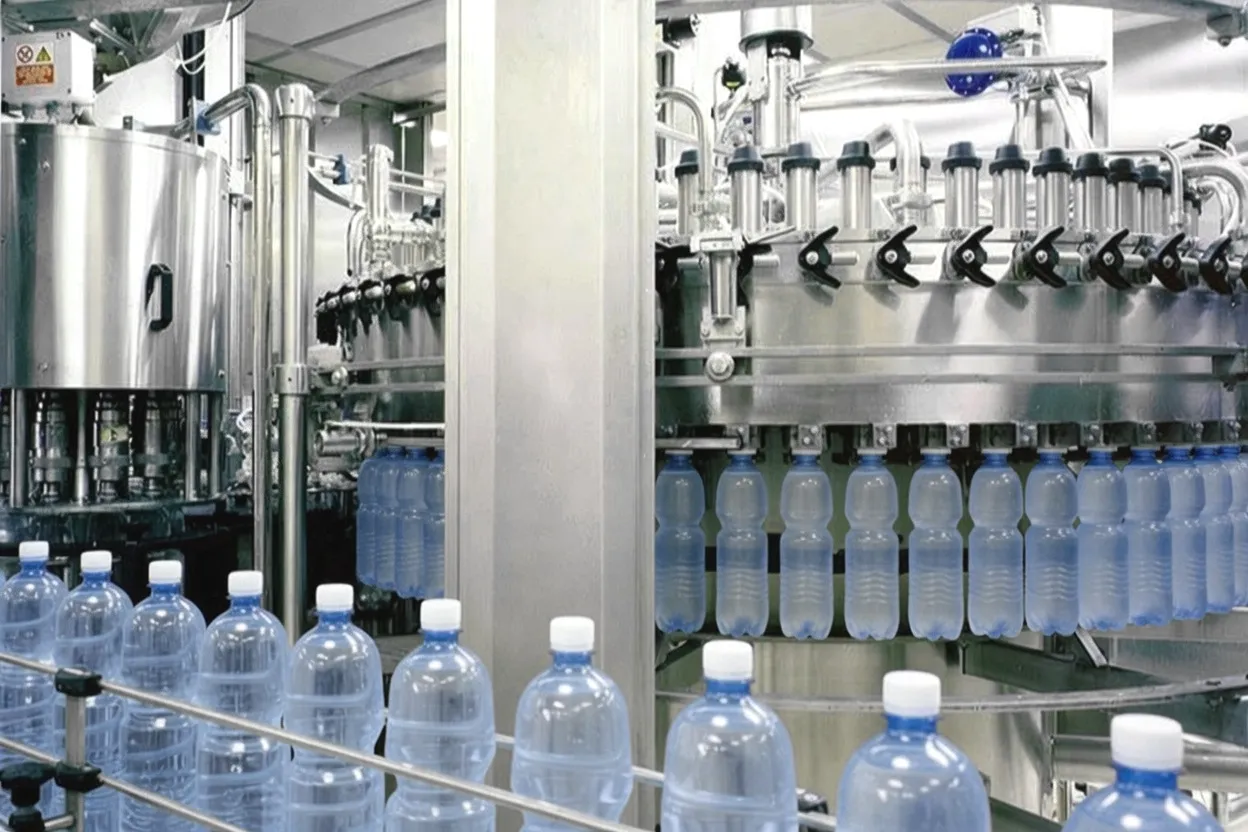
 Global food and beverage manufacturers depend on continuous, high-throughput filling lines where every second of unplanned downtime erodes a quarterly margin. Inside these lines, conveyor drives, filler turret gearboxes, capping heads, labeller mandrels and CIP pump belt systems must deliver repeatable torque transmission while surviving caustic washdowns, sugar-laden spills and rapid thermal cycling between 4°C product chambers and 85°C clean-in-place rinses. QD bushings solve this quiet, critical problem by providing a precise, tapered, keyed connection between shaft and hub that a maintenance engineer can remove in under three minutes without damaging expensive sprockets, timing pulleys or V-belt sheaves. For a bottling plant pushing thirty-six thousand PET bottles per hour, the difference between a seized setscrew hub and a correctly specified QD bushings assembly can translate into an entire shift of lost production. This deep-dive examines how QD bushings support modern filling lines across pasteurised dairy, carbonated soft drinks, bottled water, premium sauces and aseptic juice, which materials and surface treatments satisfy FDA 21 CFR 177 and EU 1935/2004 scrutiny, and how beverage plants throughout the United Kingdom source QD bushings that balance hygiene, long service life and total cost of ownership without compromising line speed or changeover flexibility.
Six Core Advantages on Food-Grade Filling Lines
Rapid Changeover
Operators swap QD bushings within three minutes using only an Allen key, cutting unplanned stoppage time by up to sixty-seven percent on fast-moving consumer goods lines and protecting shaft bores from the scoring damage caused by traditional setscrew retention.
Food-Contact Compliance
Stainless AISI 304 and electroless-nickel-plated variants of our QD bushings meet FDA 21 CFR 177 and EU 1935/2004 indirect food-contact standards, resisting chloride pitting from peroxyacetic acid sanitisers used in modern dairy CIP recipes.
CIP & SIP Resilience
Purpose-engineered QD bushings tolerate repeated clean-in-place cycles at eighty-five degrees Celsius and sterilise-in-place pulses reaching one hundred and thirty-five degrees, with bore geometry that expels condensate rather than trapping microbial biofilm.
Precision Concentricity
A matched taper fit on our QD bushings delivers total indicator readout under 0.002 inch, eliminating belt fatigue and sprocket tooth wear that plague keyed hubs driving multi-head rotary fillers and servo-driven labelling turrets.
Torque Density
Select QD bushings series transmit over 1.4 million lb-in of torque in compact shaft diameters, enabling heavier capper chucks and filler manifolds without upsizing downstream gear reducers or replacing the motor frame size.
Global Spare Availability
ANSI B17.1-aligned interchange means replacement QD bushings arrive from United Kingdom and European warehouses within twenty-four to seventy-two hours, keeping bottling, canning and tetra-filling assets running through weekend peak demand windows.
Mechanical Principle, Materials and Coating Selection
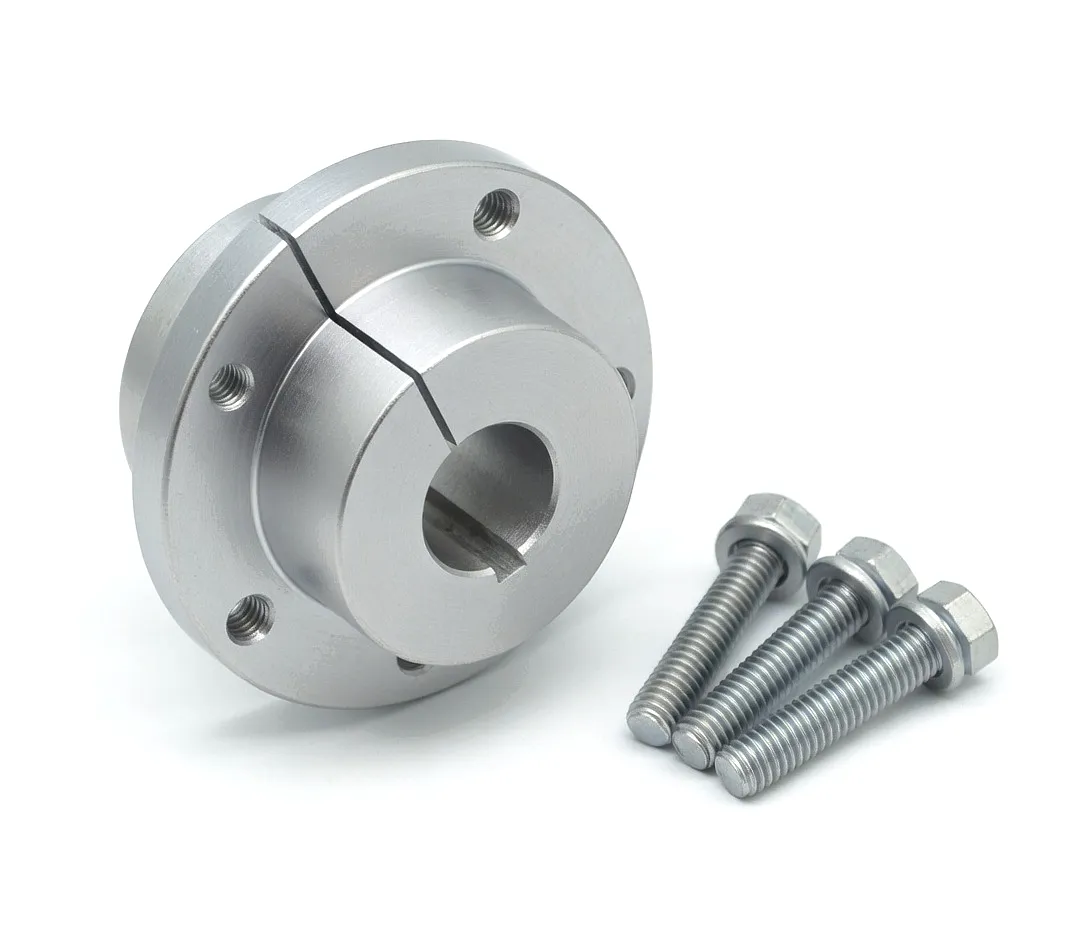 A QD bushings assembly uses a tapered split sleeve pressed into a matching tapered bore within the driven hub. Three alternating cap screws, tightened to a factory-defined torque value, draw the taper together and generate uniform radial clamping force against the shaft. The split geometry lets the bushing compress onto the shaft regardless of minor bore tolerance variation, producing a frictional grip reinforced by a single parallel key for absolute anti-rotation certainty. That dual mechanical principle — taper compression plus keyed indexing — is what gives QD bushings their characteristic zero-slip behaviour under reversing loads from intermittent filler turret indexing, labeller star-wheel dwell cycles and bottle unscrambler surges.
Base materials divide cleanly by environment. Ductile iron (grade 60-40-18) offers the lowest cost per transmitted horsepower and suits dry packaging zones. AISI 1045 medium-carbon steel handles higher shock torque in capping heads. AISI 304 stainless resists chloride attack from quaternary ammonium and peroxyacetic sanitisers common in UK dairy and soft-drink plants. Electroless nickel plating at a 0.0005-inch deposit converts a ductile iron QD bushings body into a passivated, micro-smooth surface that slows biofilm formation yet retains the cost profile of ferrous material. For deep sanitation zones surrounding open-mouth fillers and raw-ingredient premix agitators, food-grade PTFE overlay coatings further reduce protein and sugar adhesion, shortening clean cycle time and lowering chemical consumption per shift.
Technical Specification & Performance Parameters
| Parameter | Specification |
|---|---|
| Bore Diameter Range | 1/2 inch to 10 inch (12 mm to 254 mm metric option) |
| Standard Series | JA, SH, SDS, SD, SK, SF, E, F, J, M, N, P, W |
| Base Material | Ductile Iron 60-40-18 / AISI 1045 / AISI 304 Stainless |
| Surface Treatment | Zinc Phosphate / Electroless Nickel / Food-Grade PTFE |
| Torque Capacity | 230 lb-in (JA) up to 1,457,000 lb-in (W series) |
| Operating Temperature | -40°C to +200°C (standard) / +230°C (high-temp) |
| Balance Grade | G6.3 standard / G2.5 available for speeds above 3,000 RPM |
| Concentricity (TIR) | Less than 0.002 inch at registration face |
| Shaft Key Standard | ANSI B17.1 parallel key (DIN 6885 available) |
| Fastener | Grade 5 socket head cap screws / A4 stainless optional |
| Standards Compliance | ANSI/ASME B17.1, FDA 21 CFR 177, EU 1935/2004 |
| Typical Assembly Time | Under 3 minutes per bushing with 6 mm hex key |
Application Points Across a Modern Filling Line
Filling lines rarely run a single product format, and QD bushings earn their keep at every driven interface. On the infeed conveyor motor, a timing pulley seated on an SDS stainless QD bushings assembly tensions the modular plastic chain without shaft distortion. At the filler carousel, an SH series QD bushings couples the helical gearbox output to the main turret sprocket, transmitting the cyclic load of thirty-six heads indexing past the product manifold. Labelling machines use F or E series QD bushings at the vacuum drum drive, where precise concentricity prevents label registration drift during 30,000-bottle-per-hour runs. CIP pump skids lean on SF series QD bushings on V-belt sheaves, handling thermal shock from alternating hot caustic and cold ambient rinse water. Case packers and palletisers close the line using J and M series QD bushings on heavy-duty chain drives that accumulate multi-pack cartons without slip.
| Line Type | Typical Speed | Primary Challenge | Recommended Series |
|---|---|---|---|
| Still Bottled Water | 48,000 BPH | Washdown condensate | SDS (AISI 304) |
| Carbonated Soft Drinks | 72,000 CPM | CO2, caustic cleaning | SH nickel-plated |
| UHT Aseptic Milk | 18,000 PPH | 135°C steam SIP | SK (AISI 304) |
| Yoghurt Cup Filling | 24,000 CPM | Lactic acid, sugar film | SH PTFE coated |
| Craft Beer Canning | 12,000 CPM | Wort sugar, hop debris | SF ductile nickel |
| Tomato Sauce Jarring | 6,000 JPH | Acidic splash, high temp | E (AISI 304) |
| Premium Juice Bottling | 24,000 BPH | Pulp, peroxyacetic | SD stainless |
Selecting the correct QD bushings series for each interface requires more than catalogue matching. Engineers must factor ambient relative humidity inside the washdown zone — routinely 95 percent in UK dairy chilled filling rooms — chemical concentration during the alkaline-acid-sanitiser three-step CIP recipe, and cumulative thermal cycles per shift. Installing a zinc-phosphated ductile iron QD bushings inside a yoghurt filler envelope invites red oxide creep within ninety days, while an over-specified AISI 316 stainless unit on a dry secondary packaging conveyor wastes capital. Our application engineers in the United Kingdom technical office map each driven shaft against the EHEDG hygienic design zone classification the plant follows, then recommend a QD bushings variant that meets or exceeds the zone requirement without unnecessary material premium. That consultative layer is how a correctly specified drive train reaches fifteen-year service life even in the punishing environment of a three-shift fresh-cream aseptic line.
Premium ESL Dairy Ends Five Quarterly Stoppages After Stainless Retrofit
A family-owned premium dairy in Staffordshire, in the English Midlands, operates three extended-shelf-life milk filling lines producing seventy-two thousand HDPE one-litre bottles per day across skimmed, semi-skimmed and whole variants. The engineering director approached us in early 2025 after the number-three line had suffered five unplanned stoppages in a single quarter, each traced to seized setscrew-type hubs on the capper turret drive. Condensate from the chilled filling chamber, combined with peroxyacetic acid mist from CIP overspray, had corroded the keyways and distorted the shaft surface, requiring machine-shop refurbishment of three-thousand-pound hub assemblies. Our team conducted an on-site drive train audit over two days and recommended replacing fourteen hub interfaces with AISI 304 stainless SH-series QD bushings carrying electroless nickel passivation on the exposed cap screws. Installation was completed during a scheduled weekend shutdown. Over the following nine months the line logged zero bushing-related stoppages, a documented 41 percent reduction in quarterly maintenance labour hours on that line, and measurably improved vacuum-cap torque consistency. The plant subsequently standardised on the same QD bushings specification across their other two filling lines and now includes our assemblies in their spare-parts protocol. Total payback on the upgrade was calculated at under eleven weeks including labour — significantly faster than the engineering director had projected when approving the trial purchase order.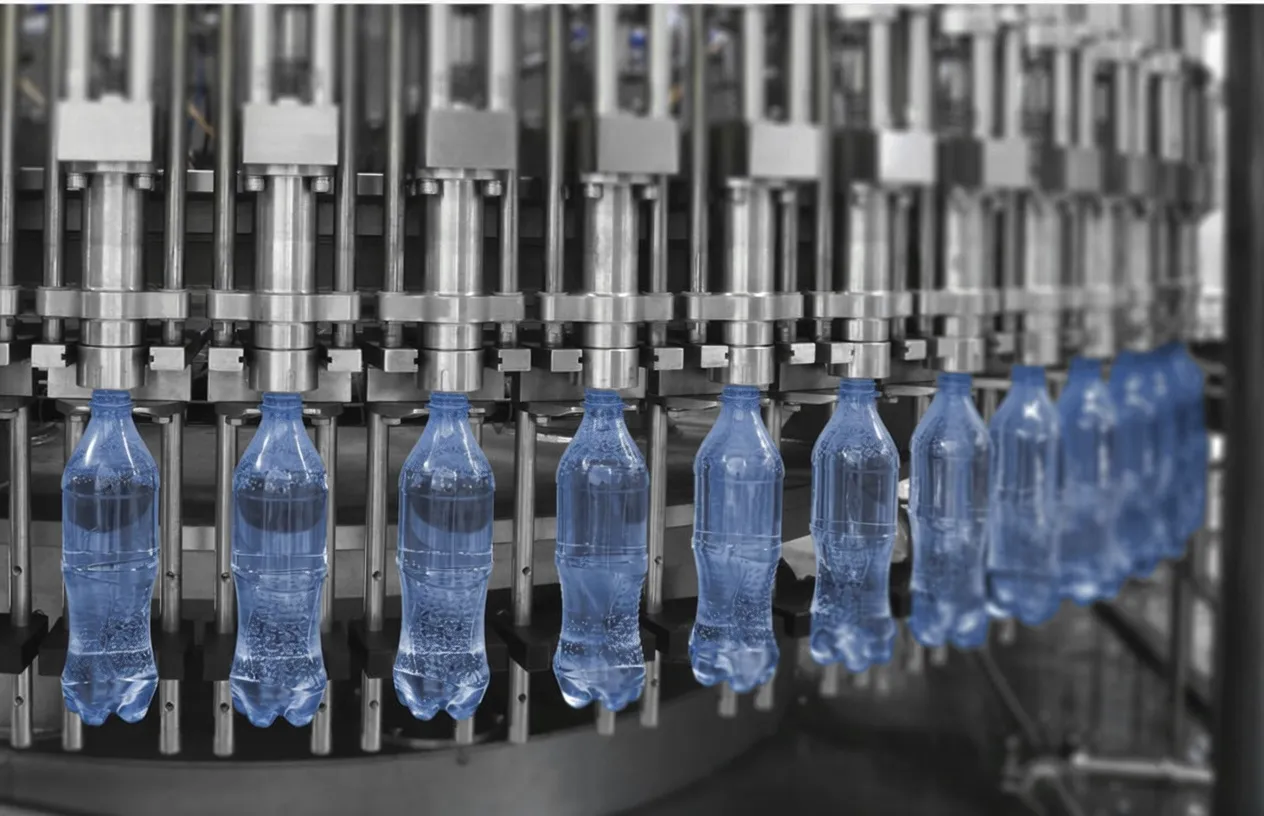
What British Plant Engineers Are Saying
Since we retrofitted our carbonated orange line with stainless QD bushings on the filler and labeller drives, weekend CIP cycles stopped causing shaft corrosion under the hubs. Our maintenance engineers remove and refit them in minutes rather than hours. Reliability has improved noticeably across both the twelve-hour and twenty-hour shift patterns.
We run three brands of oat milk on shared aseptic filling equipment, so rapid format changeovers matter. The QD bushings your engineer specified gave us the registration accuracy we needed for label placement on irregular bottle shoulders. Changeover time dropped from forty-five to twenty-two minutes per SKU transition, which genuinely surprised our production planner.
Our contract canning operation handles small craft beer runs with tight margins. Your supply of PTFE-coated QD bushings on our rinser and seamer drives survived a full year of hop debris, caustic and citric wash without noticeable wear. The inventory availability out of your Birmingham warehouse was the decisive factor for us.
Ever Power Factory & Custom Engineering Capability
Ever Power operates a fully integrated manufacturing facility spanning forty-two thousand square metres with in-house forging, CNC turning, precision grinding, surface treatment and metrology. That vertical integration matters for QD bushings destined for food-grade service because it lets us control metallurgy from billet through to final passivation, with full batch traceability from heat number to shipping carton. Non-standard shaft sizes, special keyway geometries, high-temperature coatings, extended bore lengths for heavy filler manifolds and balanced-to-G2.5 variants for high-speed servo applications are all produced to order with lead times commonly under four weeks. Our engineering team maintains a library of more than eleven thousand proven QD bushings drawings spanning OEM filling machine platforms from Krones, Sidel, KHS, GEA Procomac and Serac, enabling drop-in equivalents where original parts have long lead times or have been discontinued. Every custom QD bushings order ships with a material certificate, a torque-calibration certificate and a dimensional inspection report referencing CMM measurements. Prototype samples can be air-freighted to the United Kingdom within ten working days when production downtime risk justifies the premium. Clients with mature predictive maintenance programmes also receive CAD geometry packages in STEP and native Solidworks format for their digital twin libraries. Pricing remains competitive through our direct-to-factory model — no European distribution markup, no middleman engineering fees.
Have a non-standard shaft or filler platform?
Drawings to delivery in under four weeks. Full material & CMM certification included.
Serving United Kingdom Food & Beverage Manufacturers
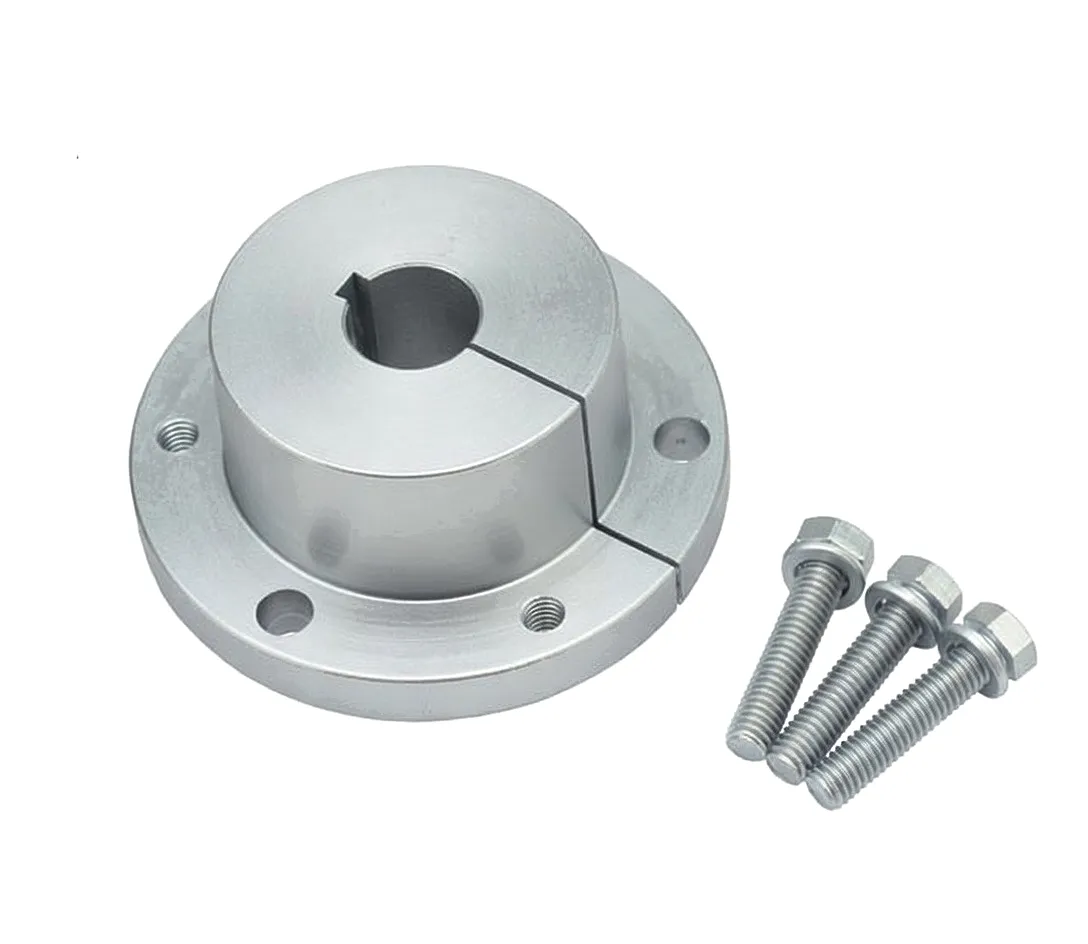 United Kingdom food and beverage manufacturers operate under some of the most demanding regulatory and commercial conditions in Europe. BRCGS Issue 9 audit requirements, Red Tractor assurance for dairy and a post-Brexit intensification of Defra traceability expectations mean plant engineers cannot risk unapproved materials on driven interfaces near exposed product. Our QD bushings range has been specified into new lines installed throughout England, Scotland, Wales and Northern Ireland, including soft-drink bottlers in the East Midlands, whisky bottling halls across Speyside, cheese lines in Somerset and fresh ready-meal fillers serving the major London multiples.
Same-week dispatch from our UK-bonded stock holding in Birmingham covers eighty-three of the most commonly consumed QD bushings bore and series combinations, with overnight courier service to any British postcode including remote Highland and island addresses. Local technical advisors based in Manchester and Reading visit sites across the M62 corridor, the M4 Thames Valley cluster and the Central Belt for drive-train audits at no initial cost. Invoicing operates in GBP with no FX surprise, and VAT documentation aligns with HMRC requirements for zero-rated exports when UK plants are shipping finished beverages to Republic of Ireland or mainland European customers. For procurement teams comparing total delivered cost, that UK-localised supply model typically beats container-sourced alternatives by fifteen to twenty-two percent once freight, duty, broker fees and buffer stock carrying costs are properly aggregated. Our QD bushings delivery commitment is what keeps British bottling, dairy and confectionery customers returning season after season.
Frequently Asked Questions
How much do stainless QD bushings for UK beverage filling lines typically cost compared to standard ductile iron?
Which QD bushings series are best suited for high-speed dairy filling machines running continuous three-shift schedules across British plants?
Where can I source reliable QD bushings for my food processing factory in England or Scotland?
What makes food-grade PTFE-coated QD bushings ideal for CIP washdown environments in UK bottling and canning plants?
When should I replace QD bushings on a continuous beverage filling line operating three shifts seven days per week?
How do I request a custom QD bushings quotation for a new carbonated drinks canning facility commissioning in 2026?
Why are taper-lock QD bushings preferred over setscrew hubs in sanitary food and beverage processing equipment?
Which British food and beverage industries benefit most from corrosion-resistant QD bushings in washdown-heavy filling operations?
Ready to Upgrade Your Filling Line Drive Train?
Food-grade QD bushings, CMM-certified, dispatched from Birmingham. Speak to a UK-based application engineer today.
edit by gzl